
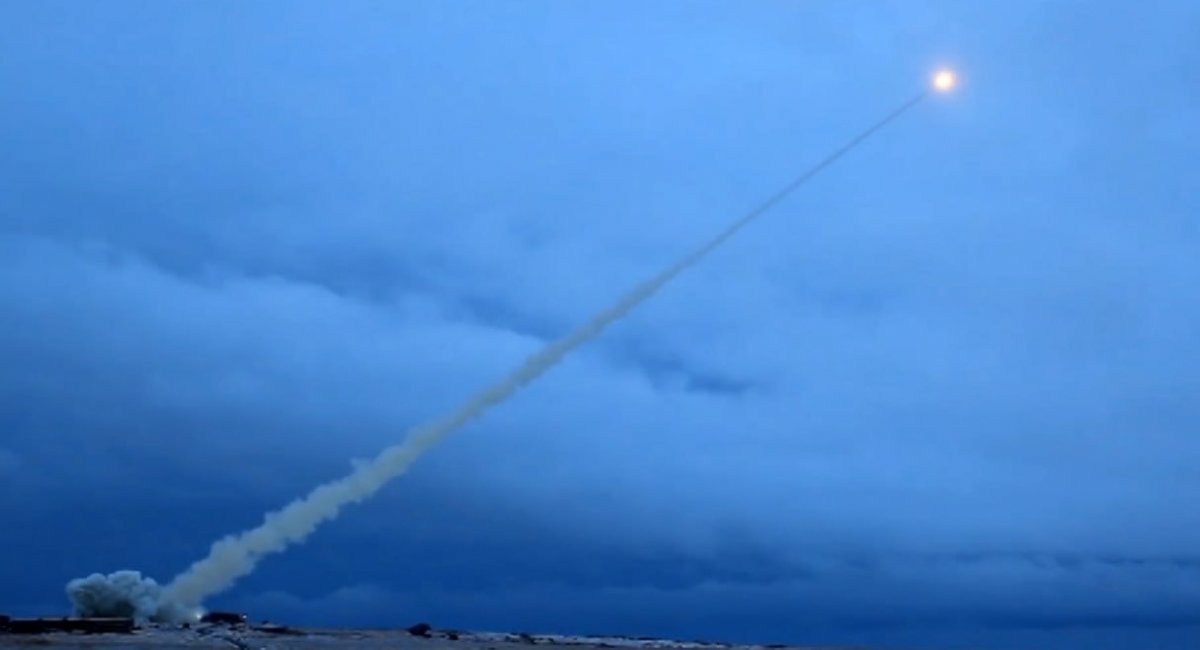
What data on the characteristics, power plant, and possible purpose of this 9M730 Burevestnik missile are now being operated by American researchers
The Russians have been developing the 9M730 Burevestnik cruise missile with a nuclear power plant since 2001, which is supposed to provide virtually unlimited flight range. The first public presentation of this project took place in 2018, after which a corresponding array of data on the Russian “wonder weapon” called “Burevestnik” was accumulated.
Now, the portal The War Zone writes that researchers from the Massachusetts Institute of Technology (MIT), Jake Hekla and Robert Scott Hemp, have published their report on the 9M730 Burevestnik. Against this background, the question naturally arises: what new information can American researchers provide about this project at all?
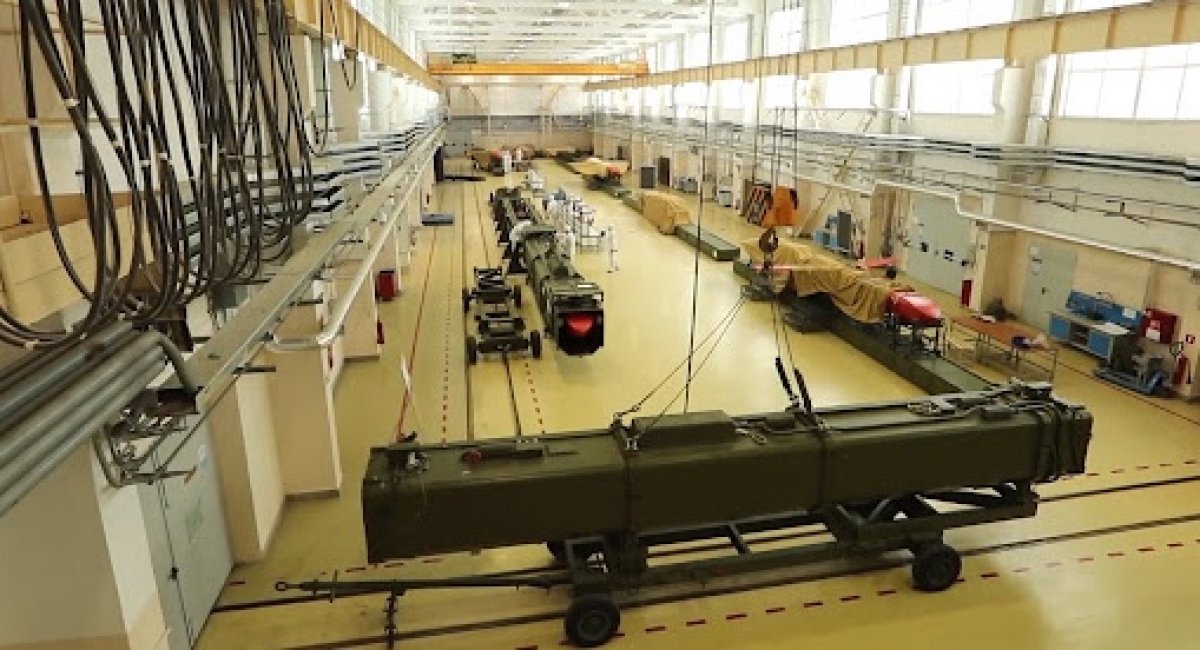
Here, we can immediately start with the main point – according to the report’s authors, the Russian nuclear missile 9M730 Burevestnik is allegedly just a “technology demonstrator,” or figuratively a “expensive toy” to please the ego of Kremlin dictator Putin.
In other words, MIT researchers, for some reason, believe that the Burevestnik poses no threat to the United States or other Western countries, even though the “unlimited flight range” parameter is specifically designed against the Western world.
At the same time, Hekla and Kemp believe that after a series of failures, starting from 2017, the Russian Ministry of Defense’s statement about the successful test flight of the 9M730 Burevestnik in October 2025, lasting 15 hours, is indeed true. It is believed that the Burevestnik has a subsonic flight speed, approximately Mach 0.75 (about 800 km/h).
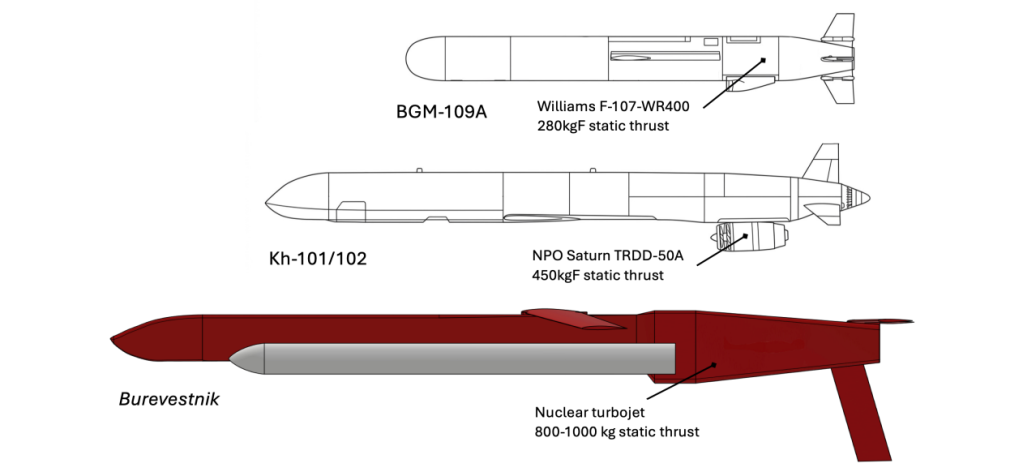
According to the report’s authors, the fuselage length of the 9M730 Burevestnik is 9.5 meters, and the wingspan is 5.6 meters. If this estimate is correct, it turns out that the Russian Burevestnik is more compact than previously thought, and also that this missile is not much larger in parameters than the Kh-101/102.
The power plant is a nuclear air-breathing jet engine, where air passes directly through the active zone and is heated, generating reactive thrust. This scheme carries the risk that a literally radioactive trail may form behind the 9M730 Burevestnik during flight.
To simplify understanding, the 9M730 Burevestnik is not being used in the war against Ukraine, and the very fact of the first successful test flight in October 2025 indicates that this missile is unlikely to be ready for use against the West either.
If after this publication there is an interest in delving deeper into the history of the 9M730 Burevestnik project, let us recall that in October 2023, we simply discussed what kind of missile the 9M730 Burevestnik with a nuclear engine is in the Russian Federation and whether it can fly at all. In September 2024, we dedicated a new publication to this 9M730 Burevestnik, which was again written about by Western media, and there was something strange there, and at the end of October 2025 – we returned to the topic of what kind of “unlimited range” cruise missile with a nuclear engine is being tested by the Russians.
Ivan Kyrychevsky, serviceman of the 413th SBS Regiment “Raid”, expert of Defense Express