
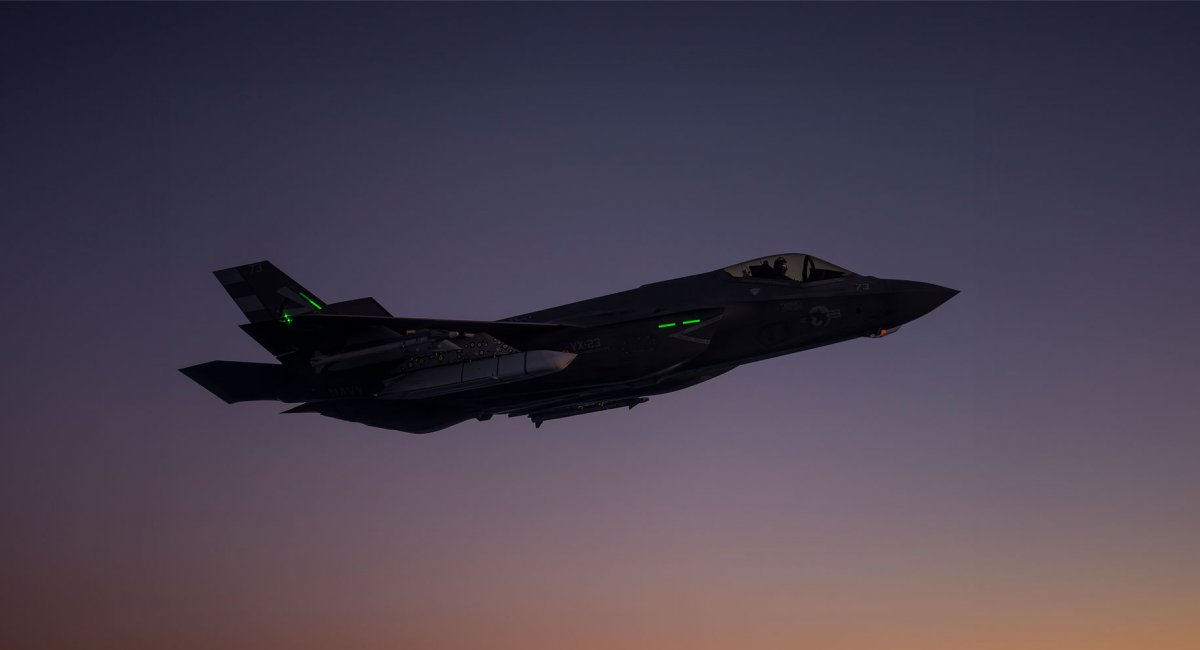
The US has completed the first stage of integrating the LRASM anti-ship missile onto the F-35C carrier-based fighter in eighteen months, increasing the threat to Chinese and Russian fleets.
Lockheed Martin announced the completion of the initial phase of integrating the AGM-158C LRASM (Long Range Anti-Ship Missile) anti-ship cruise missile onto the F-35C carrier-based fighter. The phase reportedly lasted from September 2024 to April 2026.
It is noted that the integration processes are not yet finalized and will continue. Thus, the F-35C will join the carriers of this armament, including the B-1B Lancer strategic bomber and the F/A-18E/F Super Hornet carrier-based aircraft.
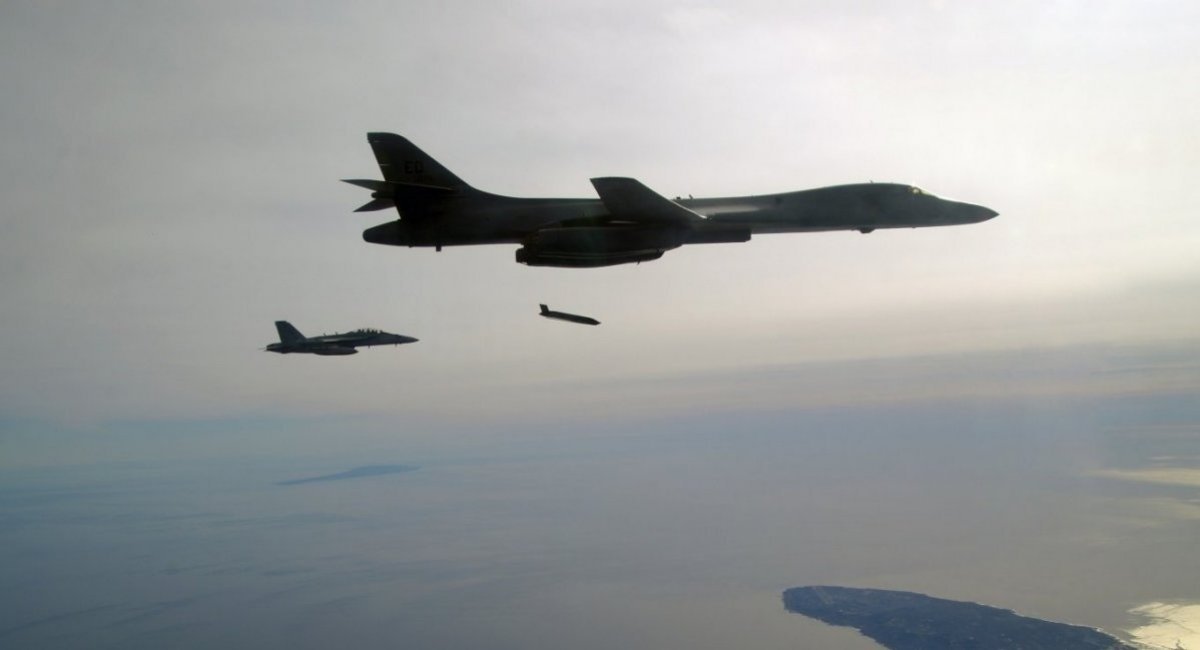
From Defense Express, we would like to point out that this will provide the US Navy and Marine Corps with the capability to strike enemy vessels from their primary aviation platforms. This is a formidable weapon for countering the Chinese and Russian navies.
This could also include the “Admiral Nakhimov” nuclear cruiser, which the “Rashists” are currently returning to service. Such an expensive prestige project would be a prime target for anti-ship weaponry, negating its purpose. Moreover, even with modernization, its own air defense would struggle against massed AGM-158C attacks.
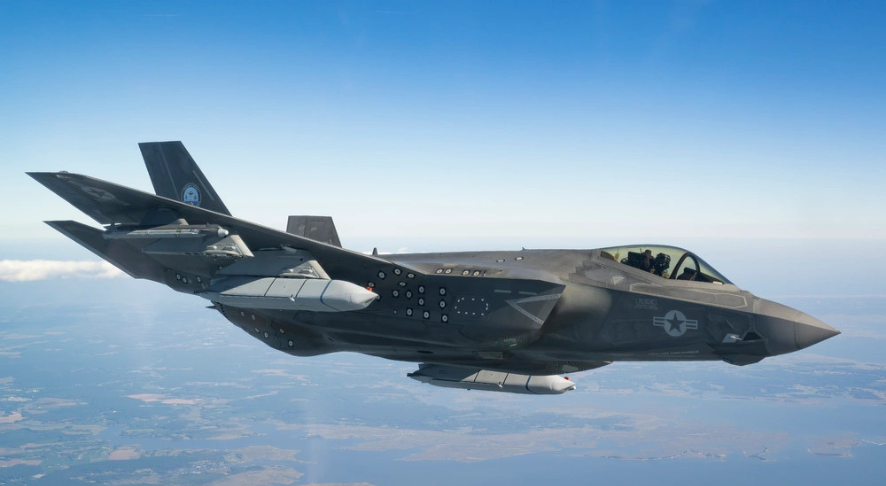
It is worth recalling that the LRASM is a stealthy anti-ship cruise missile with a range estimated at over 370 km and a warhead of 450 kg. It was developed based on the AGM-158B JASSM-ER.
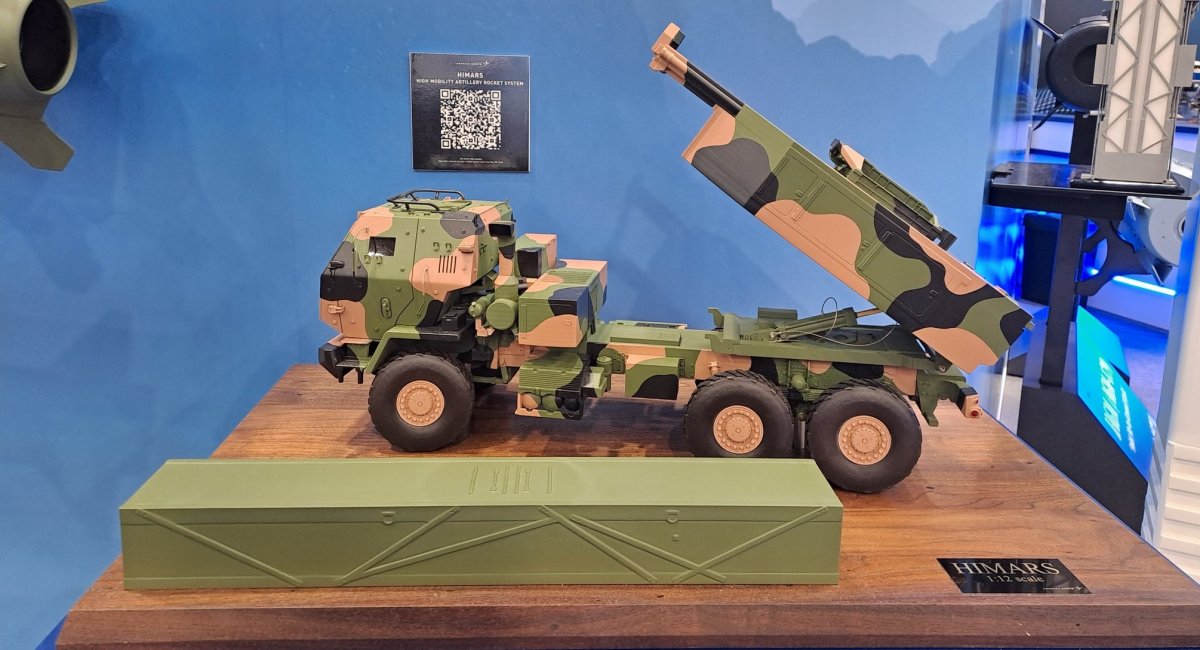
It is primarily planned for launch from aviation platforms, which will also include the P-8A Poseidon and F-15E/EX. However, its use from ship-based Mk41 vertical launch systems is also possible, and integration into the M142 HIMARS is being explored.
However, it is important to remember that the integration process on the F-35C is not yet complete, although it has been ongoing for over eighteen months. Perhaps the delay is due to verification of the correct functioning of all parameters, or peculiarities of the software, the update of which for the F-35 has been significantly delayed.
Regarding the LRASM, it has already been used in combat, although more for ground strikes. One can immediately recall the campaign against Iran’s nuclear infrastructure, which took place back in 2025.