
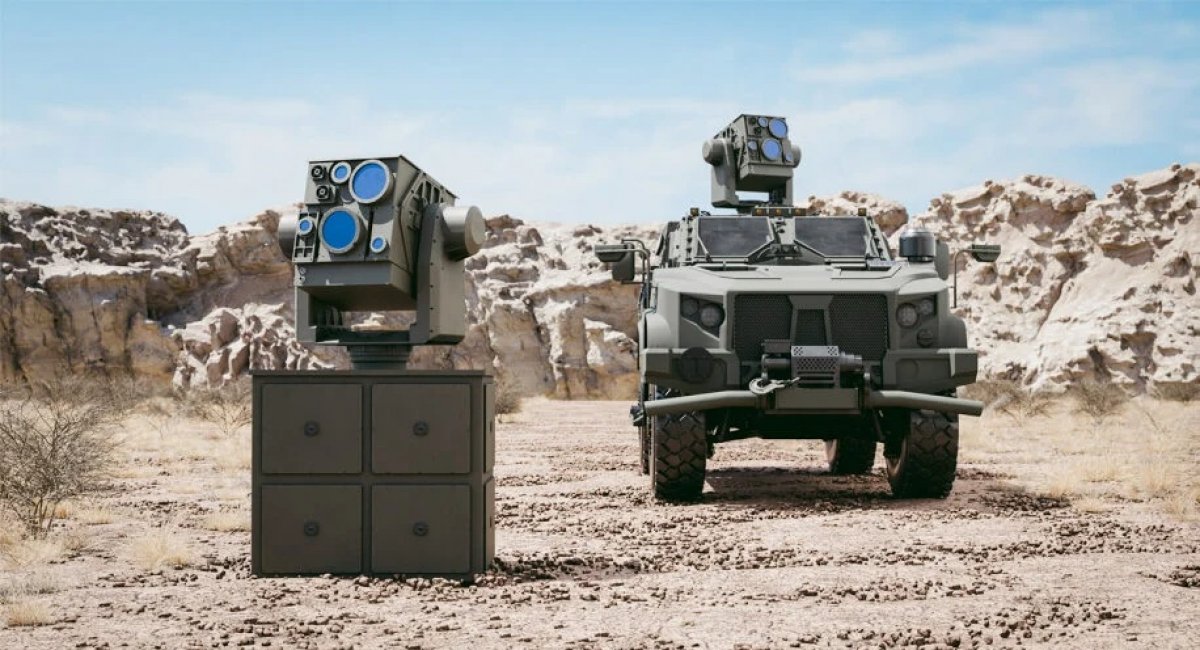
What the US pursued after the failure with the Stryker armored vehicle laser system, and what two significant challenges may arise
The United States is increasingly focusing on laser weaponry, which is intended to become the ultimate solution against unmanned aerial vehicles. Following the unsuccessful “laser” Stryker armored personnel carrier, which did not impress the American military, the US has shifted to integrating laser complexes onto smaller vehicles like the ISV (Infantry Squad Vehicle) buggies or JLTV (Joint Light Tactical Vehicle) armored cars.
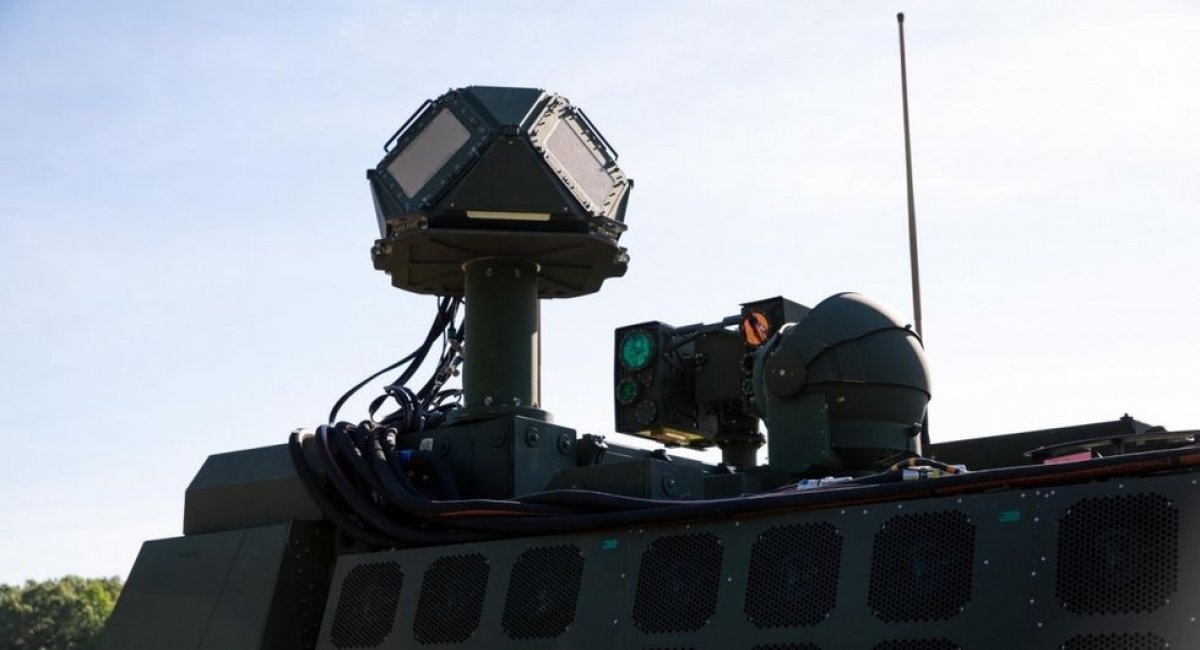
For instance, in the spring of this year, AeroVironment unveiled the third modification of its LOCUST laser system, capable of downing “Shaheds” at a minimal cost. This system is available in both stationary and mobile variants (specifically on the JLTV chassis).
However, as noted by Laser Wars, the issue of power consumption for laser weaponry remains relevant today.
The problem isn’t just about providing sufficient power. As emphasized by Adam Warmoth, CEO of Chariot Defense (a defense startup focused on battlefield power management and distribution hardware and software infrastructure), even without requiring vast amounts of energy, there are nuances. During combat, there’s a need to sustain significant power surges during a “shot.”
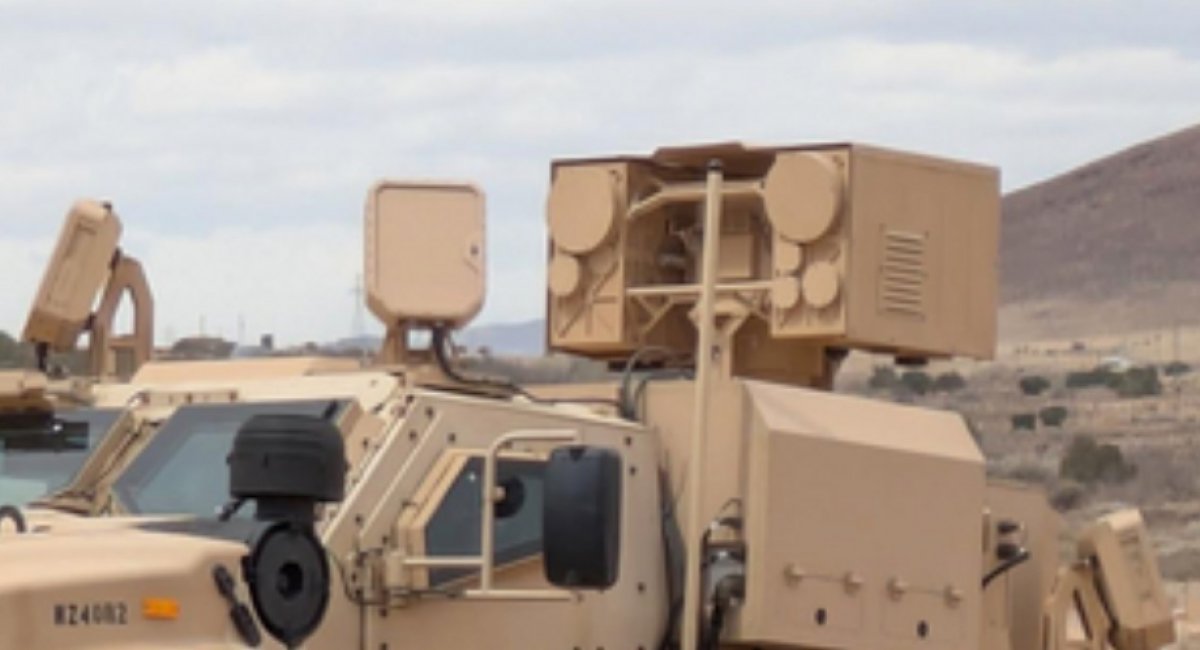
A proposed solution is a hybrid architecture involving a generator and a high-voltage battery system. This setup could handle peak loads, with the generator recharging the system between shots.
The second challenge: although the US is adopting a two-phase approach to deploying laser weaponry on light tactical vehicles, risks persist with both the hybrid-electric version of the ISV-Heavy (ISV-H) buggy and the quiet hybrid-electric eJLTV.
For example, a manufacturer hasn’t even been selected for the ISV-H yet, and the current plan is to procure just over 600 vehicles, which is not a substantial number. The eJLTV, meanwhile, remains a demonstration model.
Previously, Defense Express reported that Israel had developed the DroneLight combat laser, featuring a novel target destruction method, consuming only 4 kW and resolving a critical issue.