
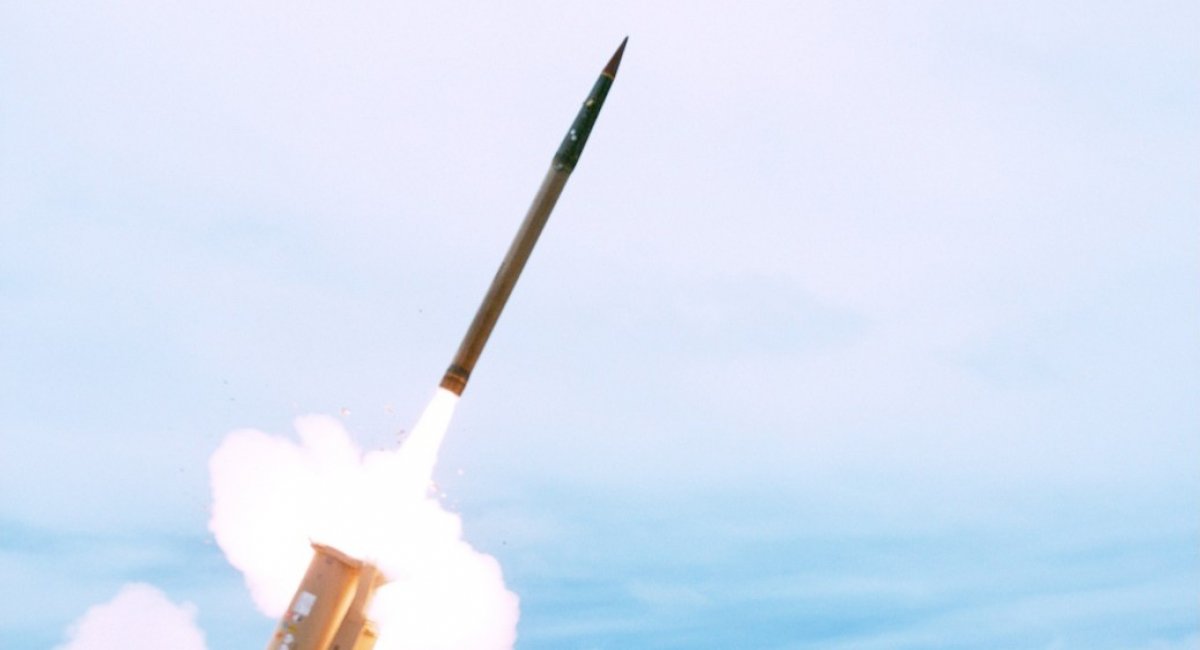
THAAD is necessary for intercepting short- and medium-range ballistic missiles, with the interceptor having no warhead at all
The U.S. Department of Defense is allocating $35 billion to significantly boost the production of THAAD interceptor missiles, as stipulated in a long-term contract with Lockheed Martin.
The agreement spans seven years and anticipates a fourfold increase in the number of interceptors. This initiative is a continuation of a framework agreement concluded in January 2026, which did not specify a price.
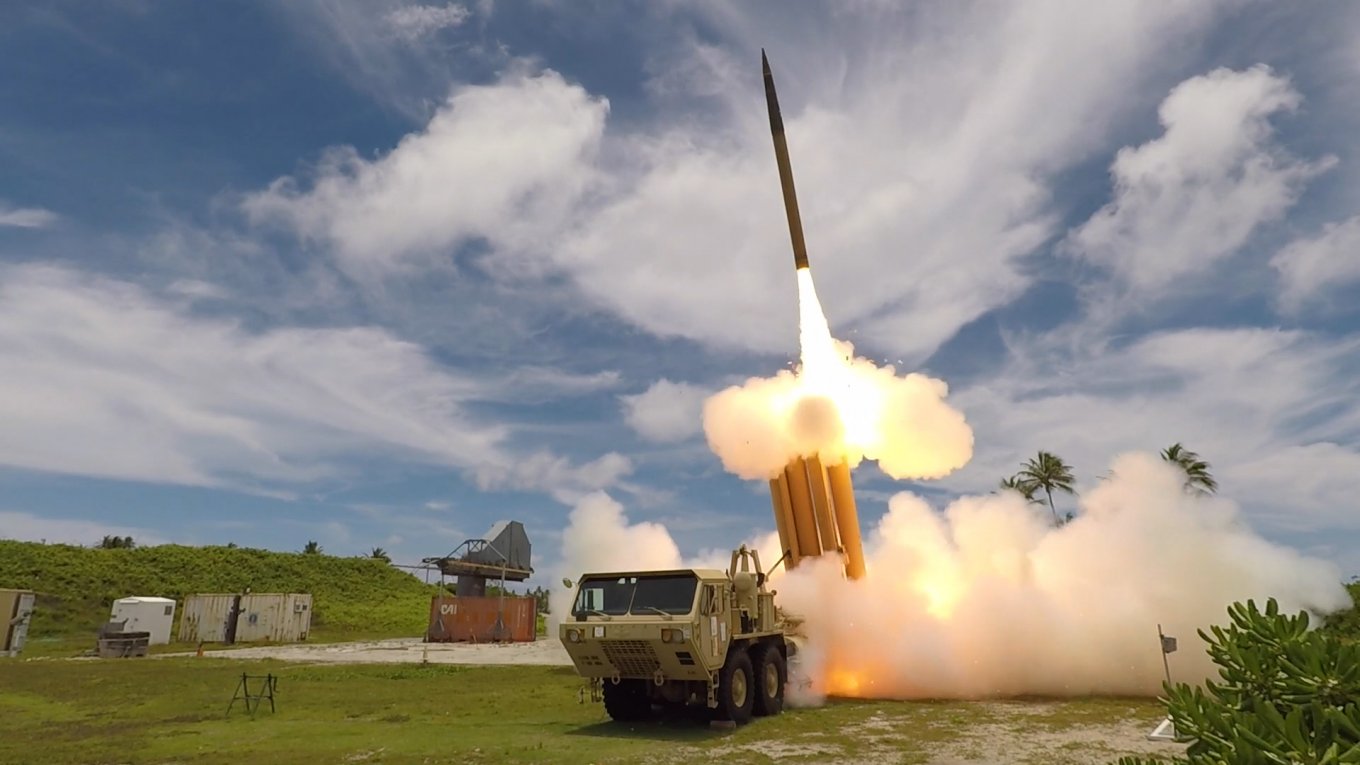
Lockheed Martin states that this order “provides the long-term demand signal needed to accelerate production ramp-up, strengthen the defense industrial base, and rapidly and at scale deliver critical missile defense capabilities for the U.S. and its allies.”
It’s worth noting that the current annual production rate for THAAD interceptors stands at 96 units per year. By 2033, the production volume is projected to reach approximately 400 units annually.
However, even these projected annual production volumes, to be achieved in the next decade, should be considered in light of THAAD missile expenditures during active combat, especially prolonged conflicts.
For instance, during the war against Iran, the most intense phase of which lasted 39 days from February 28, 2026, to April 7, 2026, an estimated 190-290 THAAD missiles were expended out of a total stock of 360, according to CSIS calculations.
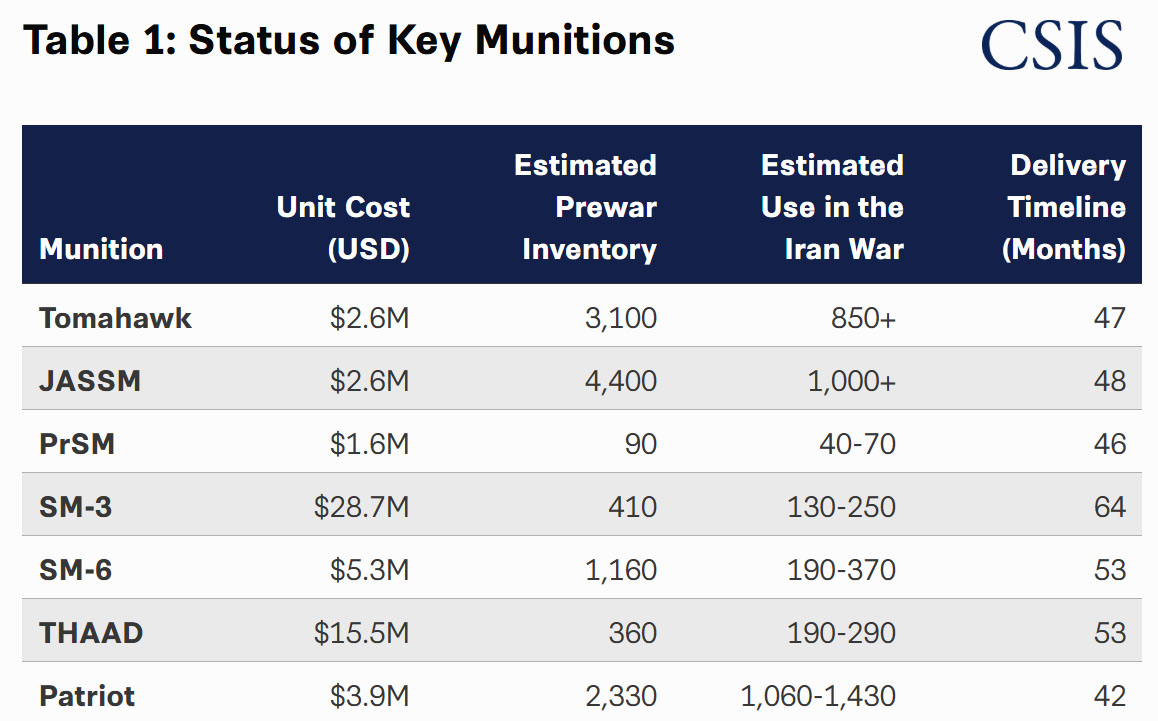
This means that while replenishing such missile expenditures currently takes 2-3 years following a 39-day conflict, by 2033, it would only require 6-9 months.
The primary function of the THAAD system is to intercept short- and medium-range ballistic missiles at altitudes of approximately 100 km. The interceptor itself is a single-stage, solid-fueled missile, 6.1 meters in length with a launch weight of around 900 kg, capable of reaching speeds of up to Mach 8.2.
After the engine burns out, a “Kill Vehicle” separates. This vehicle uses an infrared seeker for target acquisition and a DACS (Divert and Altitude Control System) for maneuvering, utilizing six thrusters to control roll, pitch, and yaw. Target destruction is achieved through kinetic interception, employing a hit-to-kill technology, with the missile completely lacking a warhead.