
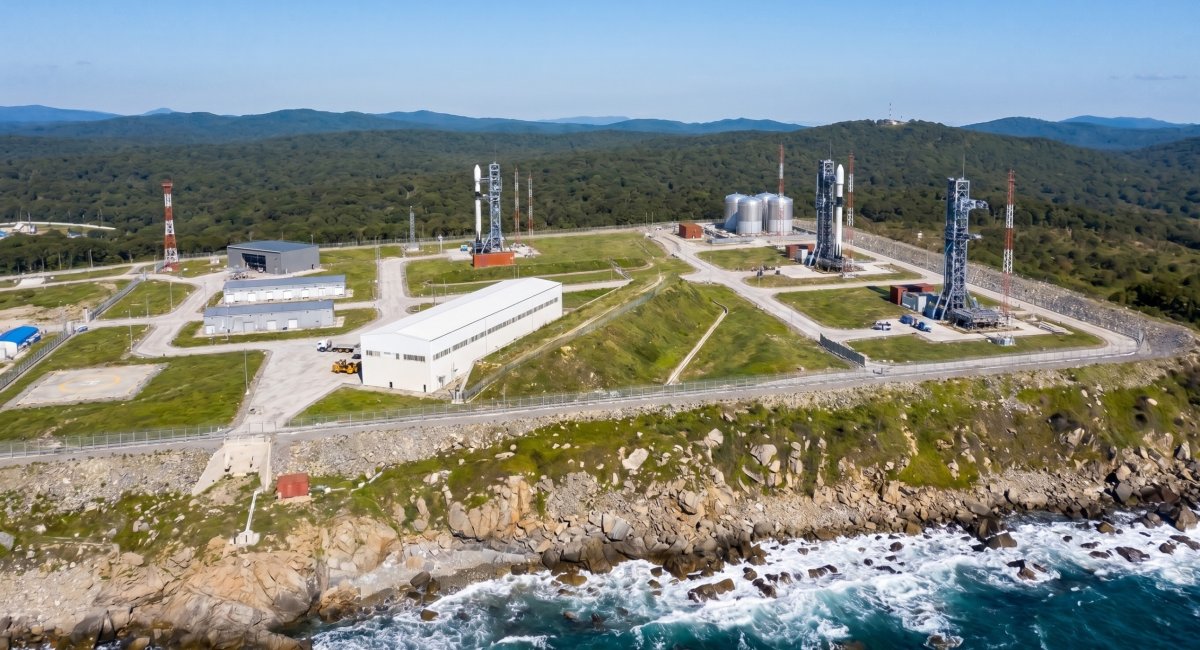
The Russian private company “Kosmicheskaya Energiya” has only had rocket-building club-style launches to its credit, but it enjoys comprehensive support from Moscow and is already planning to build a cosmodrome in the Primorsky Territory.
The little-known Russian private company “Kosmicheskaya Energiya” has announced that, in collaboration with the Russian federal and local governments, it is actively seeking sites for the construction of a new cosmodrome to launch new, inexpensive light-class launch vehicles.
As reported by central Russian state “media,” which is also a very important marker of official support for this project, “all principal agreements regarding the implementation of the private cosmodrome construction project have been reached.”
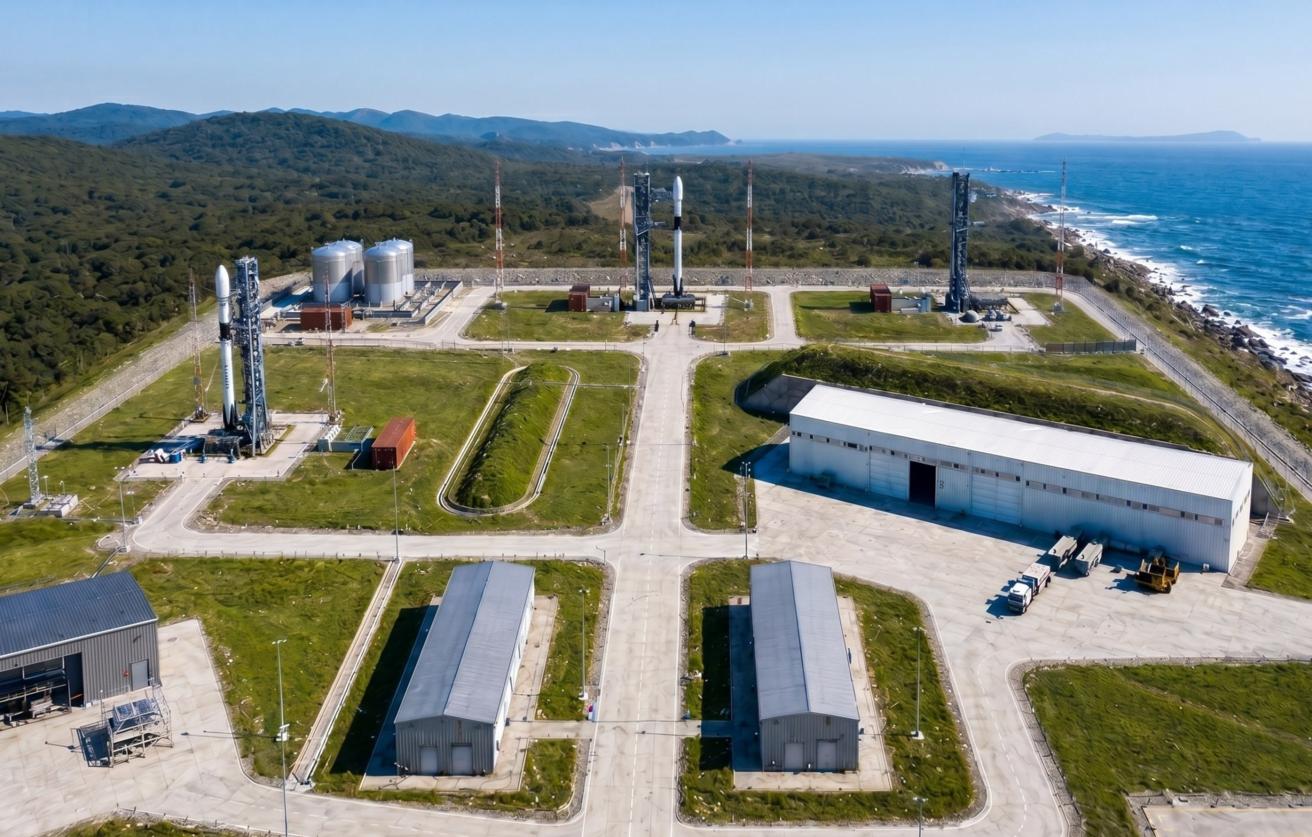
Currently, the project is in the phase of identifying a range of potential sites where geodetic and engineering surveys will be conducted to select the optimal option. The most likely location for this cosmodrome’s deployment is the Primorsky Territory in the Russian Far East. The cosmodrome has already been named “Primorsky” and is intended to be situated on the coast, presumably of the Sea of Japan.
Its coastal location addresses the issue of where the first stages of the launch vehicles will fall. Additionally, a hypothetical Vladivostok is situated 8.7 degrees south of the new Russian “Vostochny” Cosmodrome and 2.8 degrees south of “Baikonur,” making it more advantageous in terms of energy due to the Earth’s greater rotational speed. Furthermore, this implies a distance of approximately 6,700 km from Ukraine. Further east, only Kamchatka is more distant at 7,300 km.
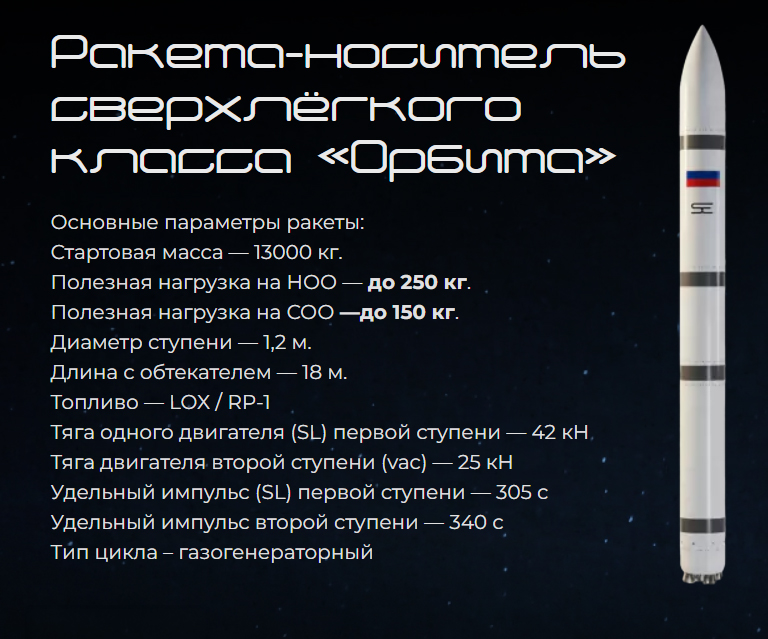
Moreover, this cosmodrome is necessary for “Kosmicheskaya Energiya” for its own super-light class launch vehicles that it is developing. These include the two-stage liquid-propellant rocket “Orbita,” with a takeoff weight of 13 tons and the capability to place 250 kg into low Earth orbit and 150 kg into medium Earth orbit.
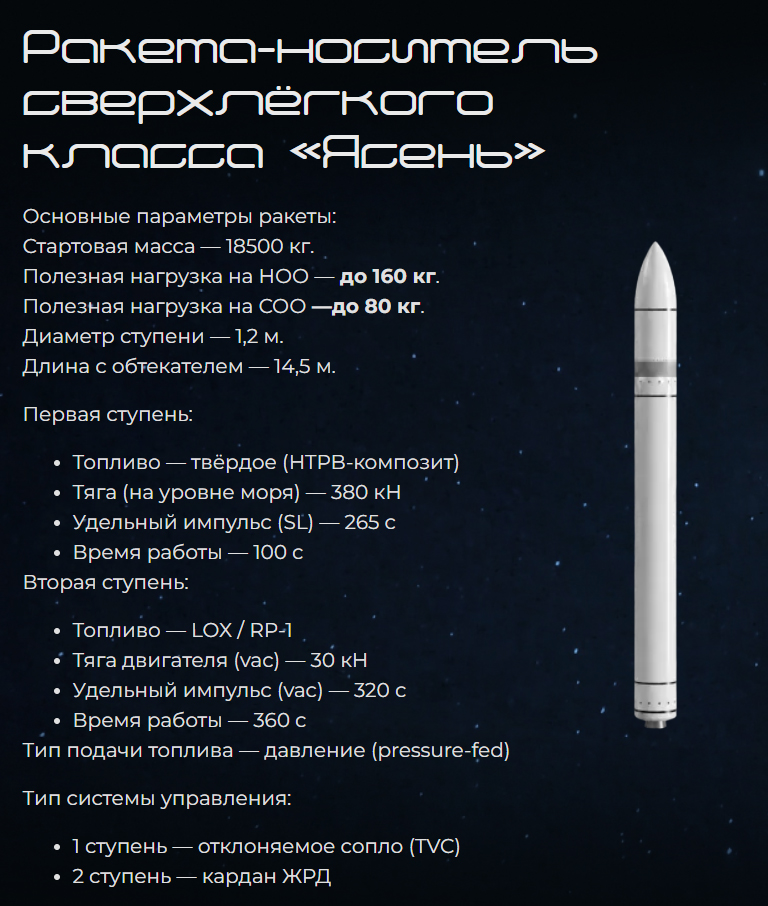
And also the “Yasen,” featuring a first solid-propellant stage and a second liquid-propellant stage, weighing 18.5 tons with the capacity to deliver 160 kg to low Earth orbit and 80 kg to medium Earth orbit.
The primary purpose of these rockets is the rapid deployment of orbital constellations within tight timelines through mass serial launches with grouped deployment of small-sized spacecraft, particularly communication satellites. This is evidently directly linked to Russia’s plans to urgently deploy its own modern satellite internet system akin to Starlink.
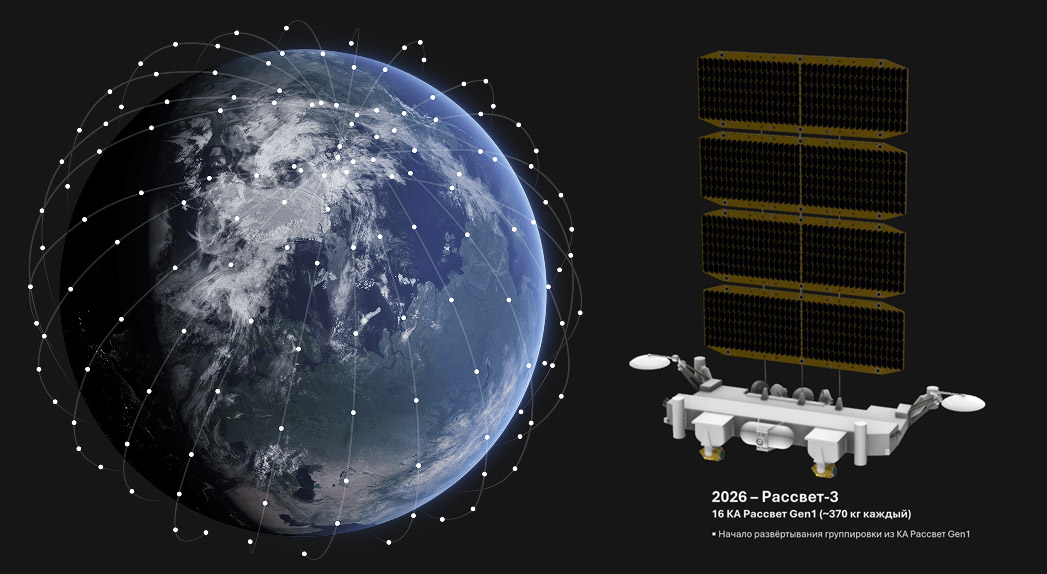
In this context, the most well-known public initiative, “Rassvet” from “Byuro 1440,” is unsuitable because its “Rassvet-3” satellite weighs 370 kg, exceeding the maximum declared payload weight for both of “Kosmicheskaya Energiya’s” rockets, even for low Earth orbit, let alone for an 800 km polar orbit.
Furthermore, the company is currently only at the stage of developing the suborbital rocket “Kamchatka,” which is used for testing technologies and solutions. The company’s actual achievements are akin to those of a rocket-building club – the launch of a small rocket “Chaika” into the sky in 2024.
Meanwhile, the state support for this private company directly indicates that this is a Kremlin-backed project. Through this backing, it can relatively quickly receive ready-made solutions and support from state space and rocket design bureaus.