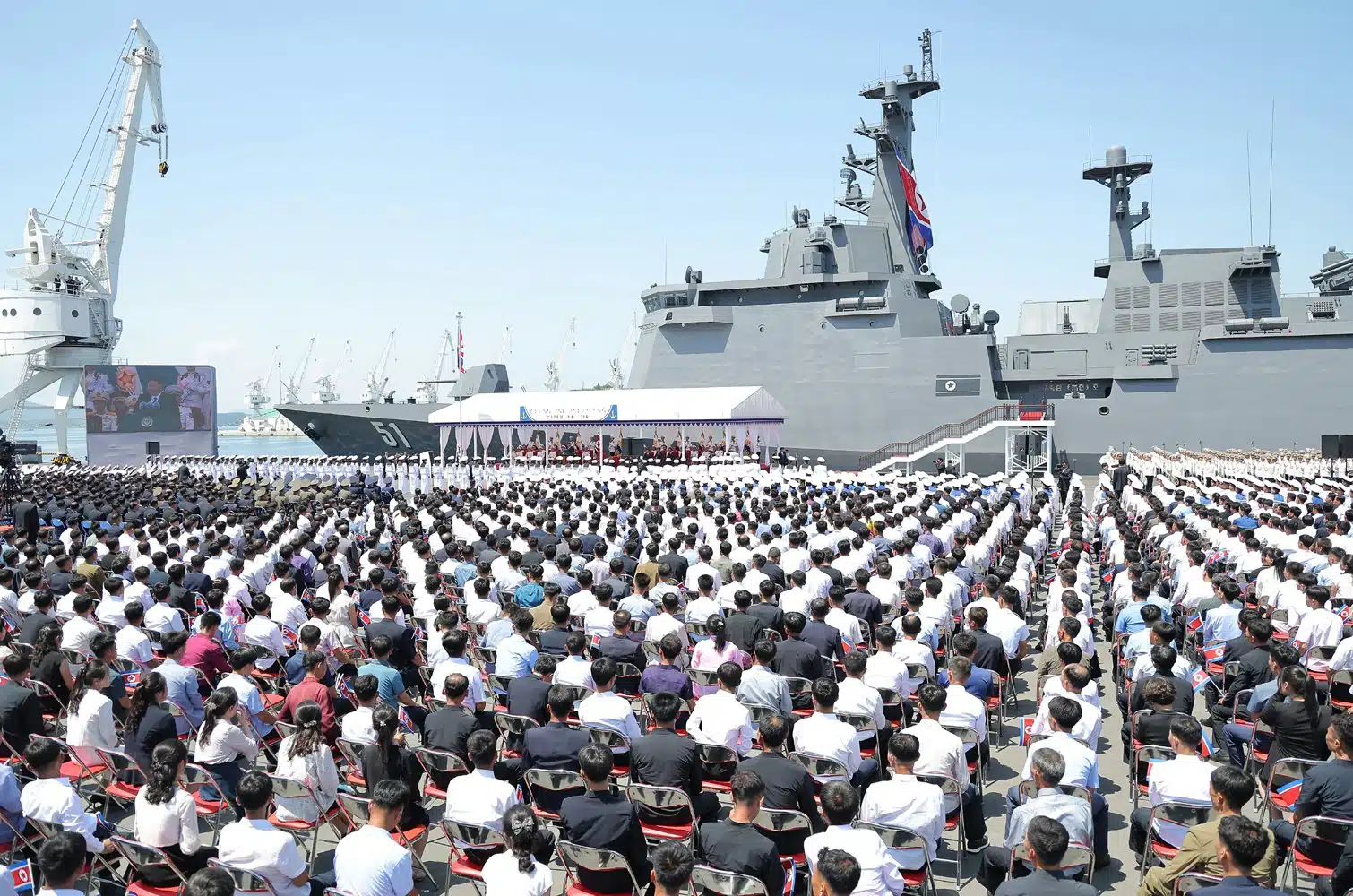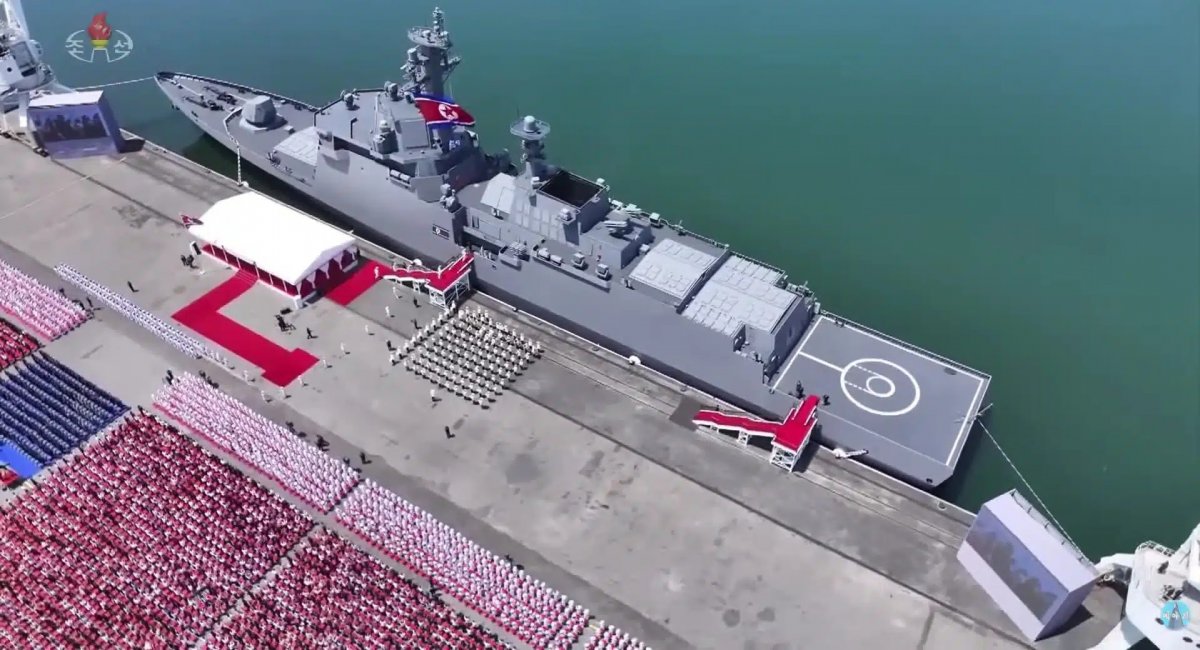
What is special about this North Korean ship, how many missiles of all types can the Choe Hyon carry, and why the very fact of commissioning such a destroyer means a significant advantage over the Russian Pacific Fleet.
North Korea held an official ceremony on June 23, 2026, to commission its largest ship in history to date, the 5,000-ton Choe Hyon-class destroyer, 145 meters long and equipped with 88 missile launch cells of various types.
This vessel was launched in April 2025 and underwent intensive trials over the preceding 14 months. The very commissioning of the Choe Hyon destroyer can be interpreted as the DPRK having managed to surpass Russia in the naval armaments sector.
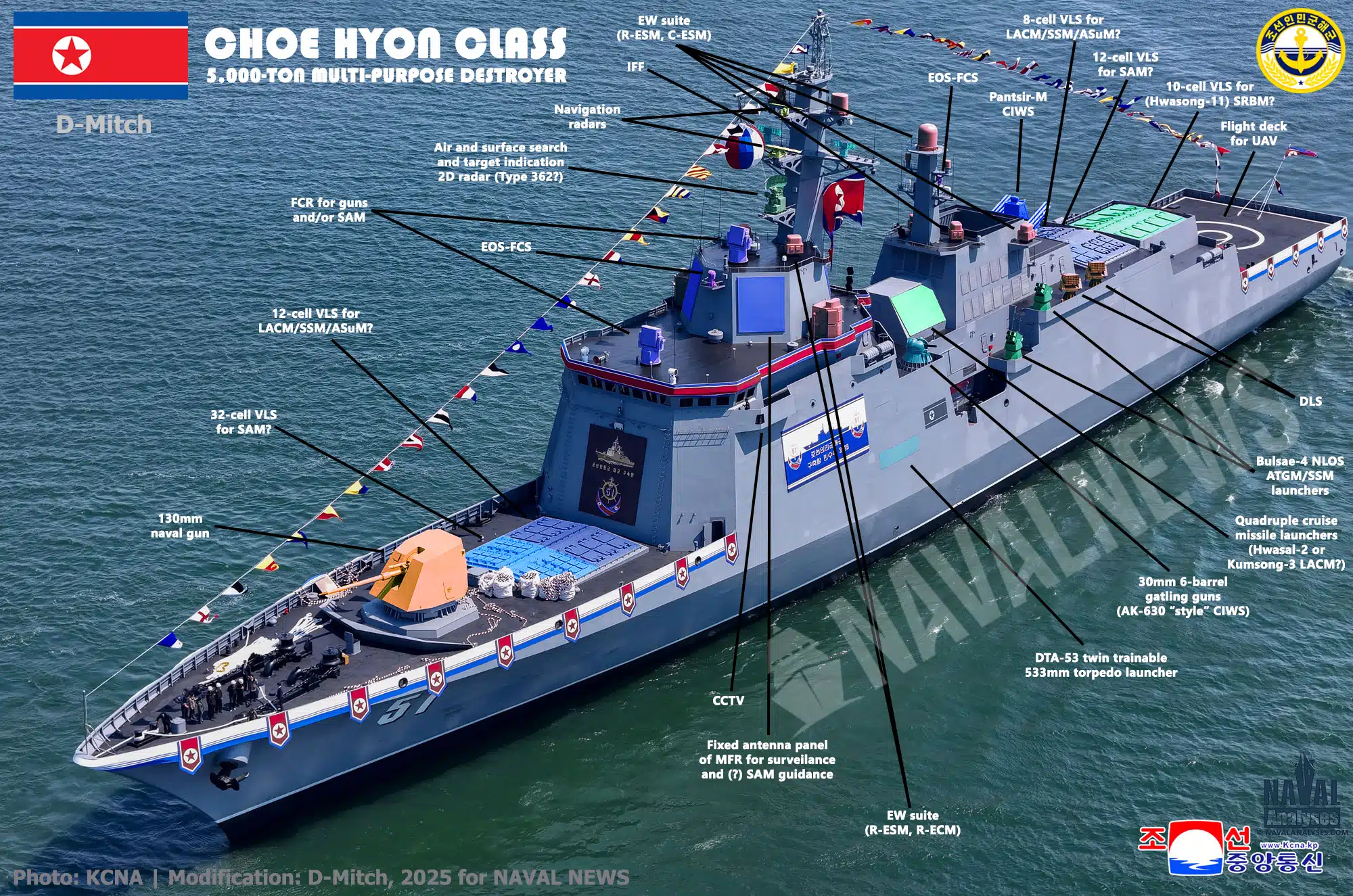
The relevant publication by Naval News provides some important clarifications on this matter. Specifically, it indicates that the North Korean destroyer Choe Hyon can carry up to 88 missiles of various types, not 74 as previously believed.
It also states that North Korea is already planning to transition to building 10,000-ton displacement warships, which will be classified as “missile cruisers” and will have the status of “strategic weapon carriers,” meaning nuclear weapon delivery systems.
Specific features of the Choe Hyon worth noting include: 64 launch modules are located in the stern, and the other 24 modules are in the bow; additionally, the ship’s armament includes a surface-to-air missile and artillery system resembling a copy of the Russian “Pantsir-M.”
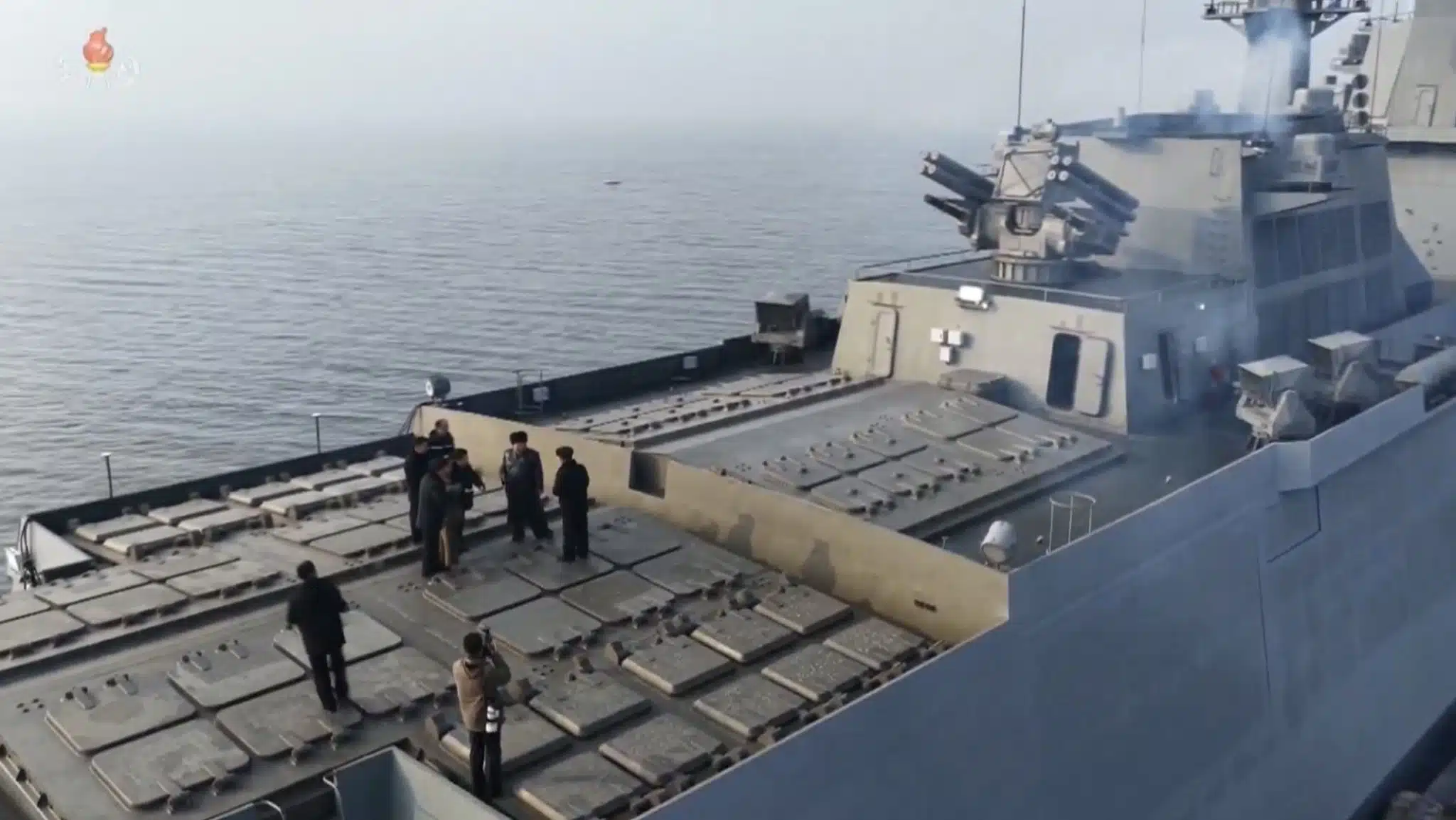
Defense Express further emphasizes the following. As early as May 2025, it became known that the DPRK was rapidly overtaking the Russian Federation and building a second Choe Hyon-class destroyer, having launched the first one a month prior.
In the context of the Pacific region, two North Korean missile destroyers are very few compared to, for instance, China (around 50 destroyers), Japan (38 destroyers), or even South Korea (10 destroyers).
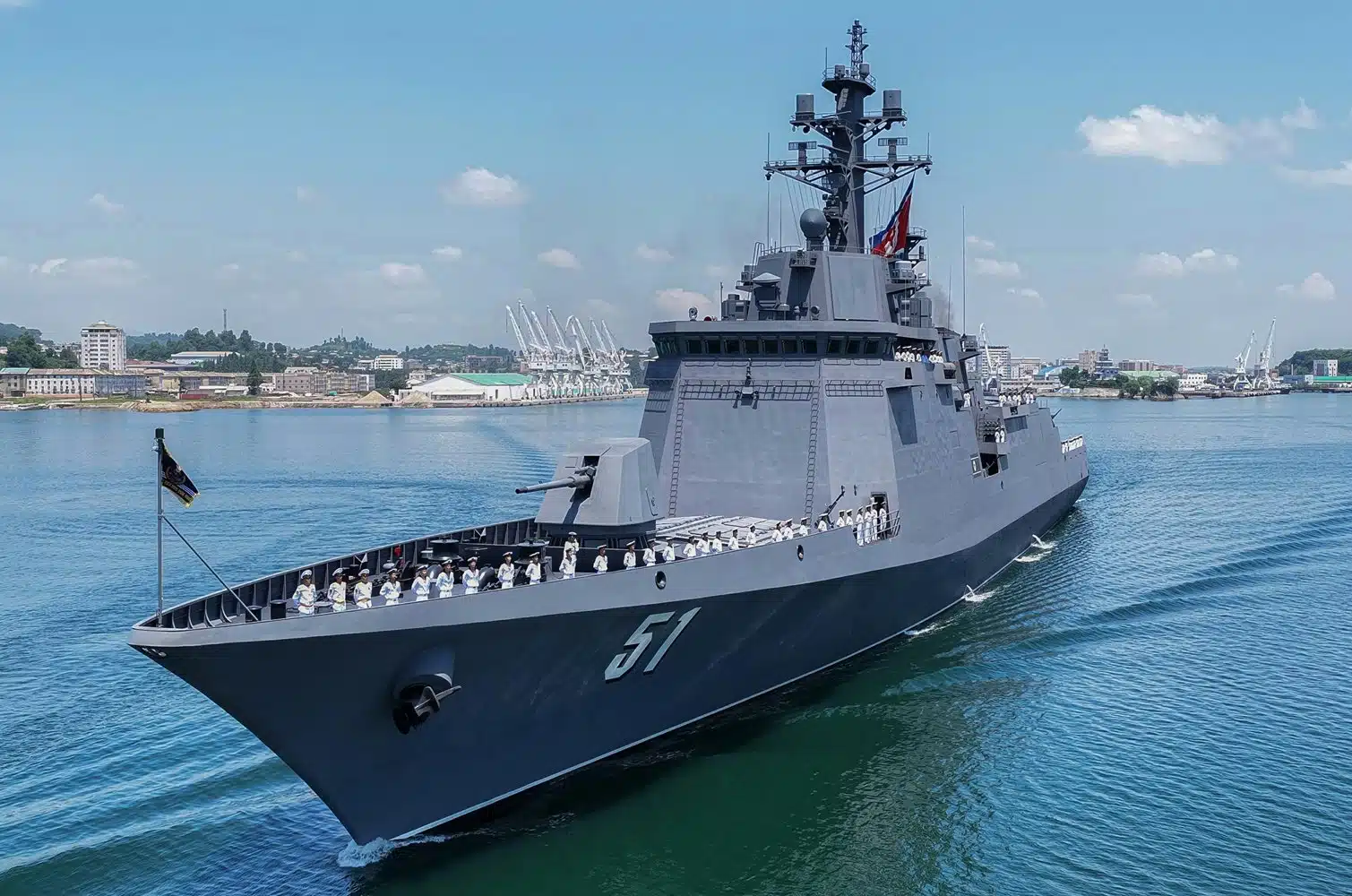
However, having two destroyers at its disposal now gives North Korea a clear advantage over the Russian Pacific Fleet, which has no destroyers at all. The “core” of its surface fleet consists of one Project 1164 “Atlant” missile cruiser, the “Varyag,” capable of carrying 16 P-500 “Bazalt” missiles, and four Project 1155 frigates, two of which are undergoing modernization for modern missile armament.
Thus, it turns out that in the naval armaments segment, North Korea has managed to surpass the Russian Federation by actually constructing two 145-meter destroyers capable of carrying up to 88 missiles of various types and kinds.