
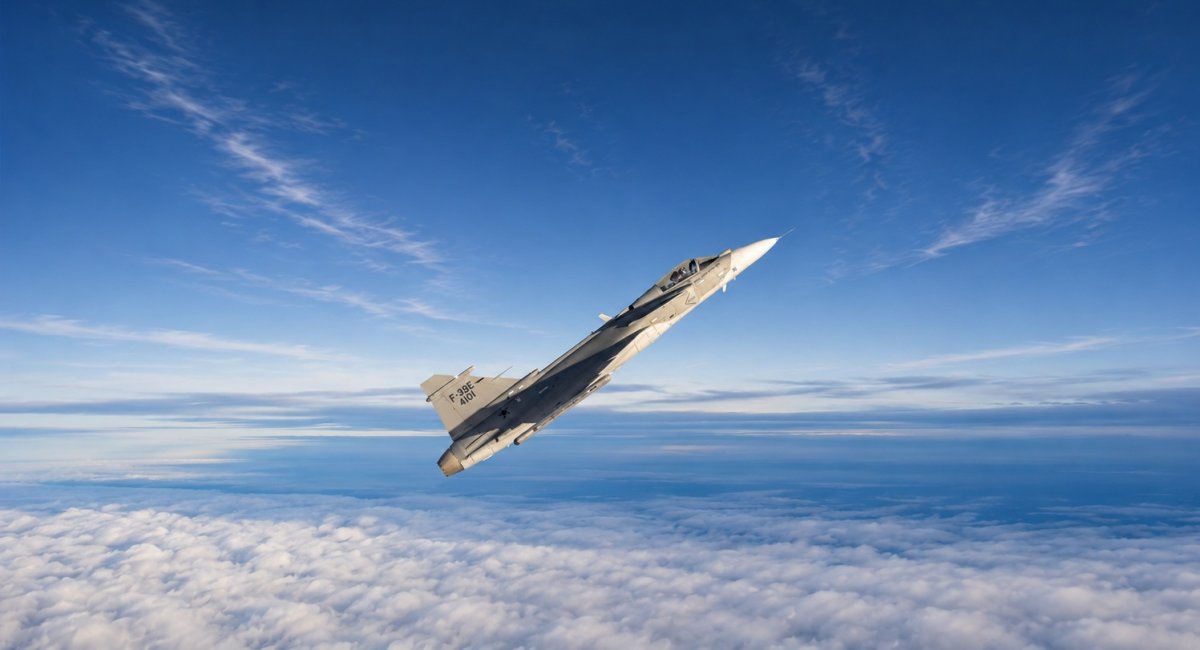
Brazil intends to boost its Gripen E fighter jet orders and is considering extending the current contract for an additional 20 aircraft
The head of Brazil’s Ministry of Defence, Jose Mucio Monteiro Filho, announced during a joint press conference with his Swedish counterpart, Pål Jonson, following a visit to Sweden, the official plans to acquire another 20 Gripen E fighter jets for the country’s air force.
The Swedish Minister of Defence confirmed ongoing discussions on this matter. Both officials emphasized that a final agreement has not yet been reached.
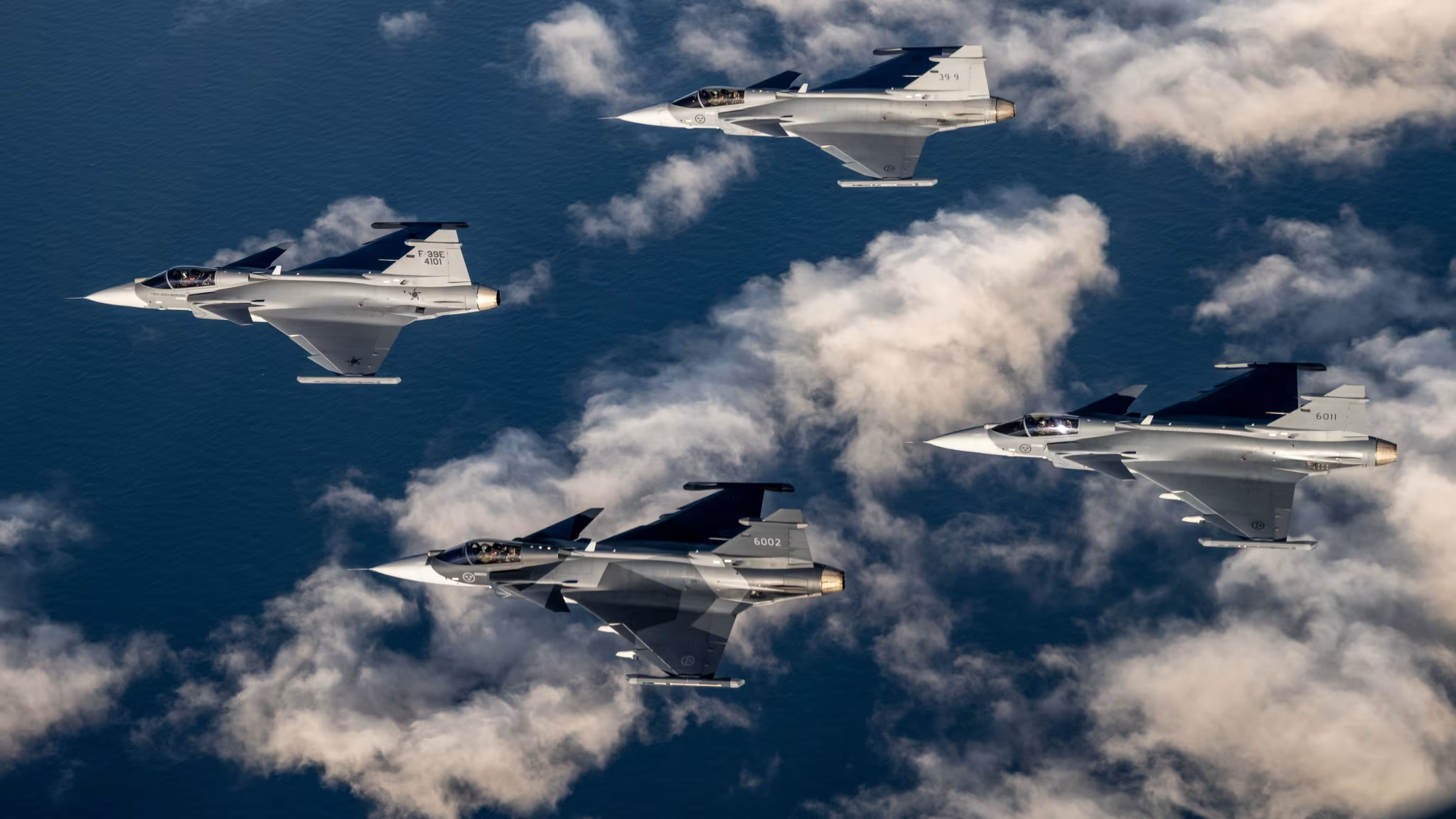
As stated by the Commander of the Brazilian Air Force, General Marcelo Kanitz Damasceno, in an interview with Breaking Defense, the need for additional aircraft was determined after a thorough analysis. He stressed that a fleet of approximately 60 fighter jets is “the number with which good results can be achieved.”
The procurement of additional Gripen E jets for Brazil has been under discussion with Swedish manufacturer Saab for several months. The contract signed in 2014, under which Brazil ordered 36 Gripen fighter jets, includes an option to order an additional 25%, which amounts to nine more aircraft, a significantly lower number than the 20 units now mentioned. Therefore, the parties are likely negotiating how to expand the agreement.
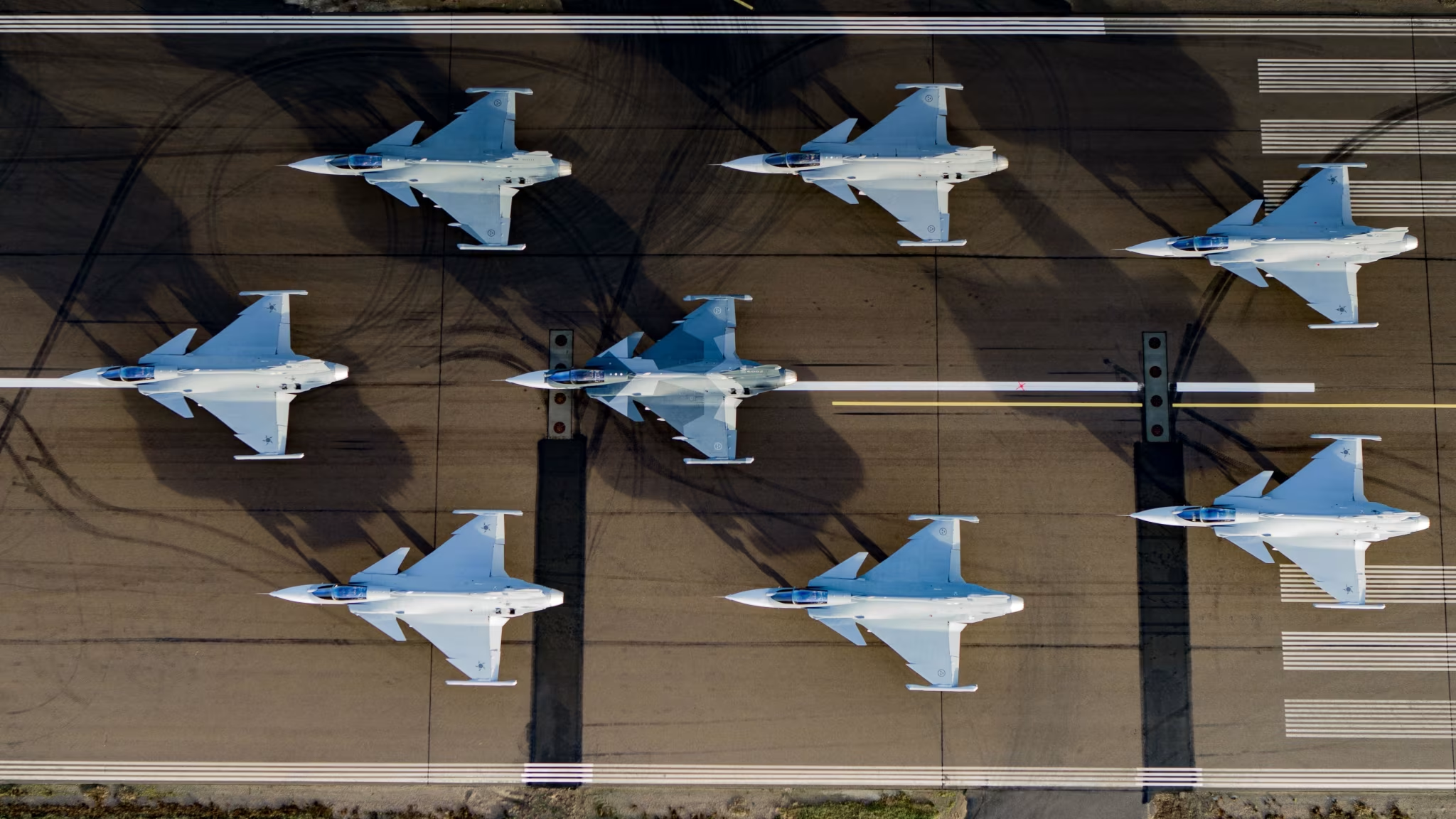
It is worth recalling that when Brazil initially purchased the Gripen, one of the contract’s conditions was the localization of assembly and production of certain components at Brazilian defense industry facilities. The execution of the Gripen supply contract for the Brazilian Air Force has encountered considerable delays.
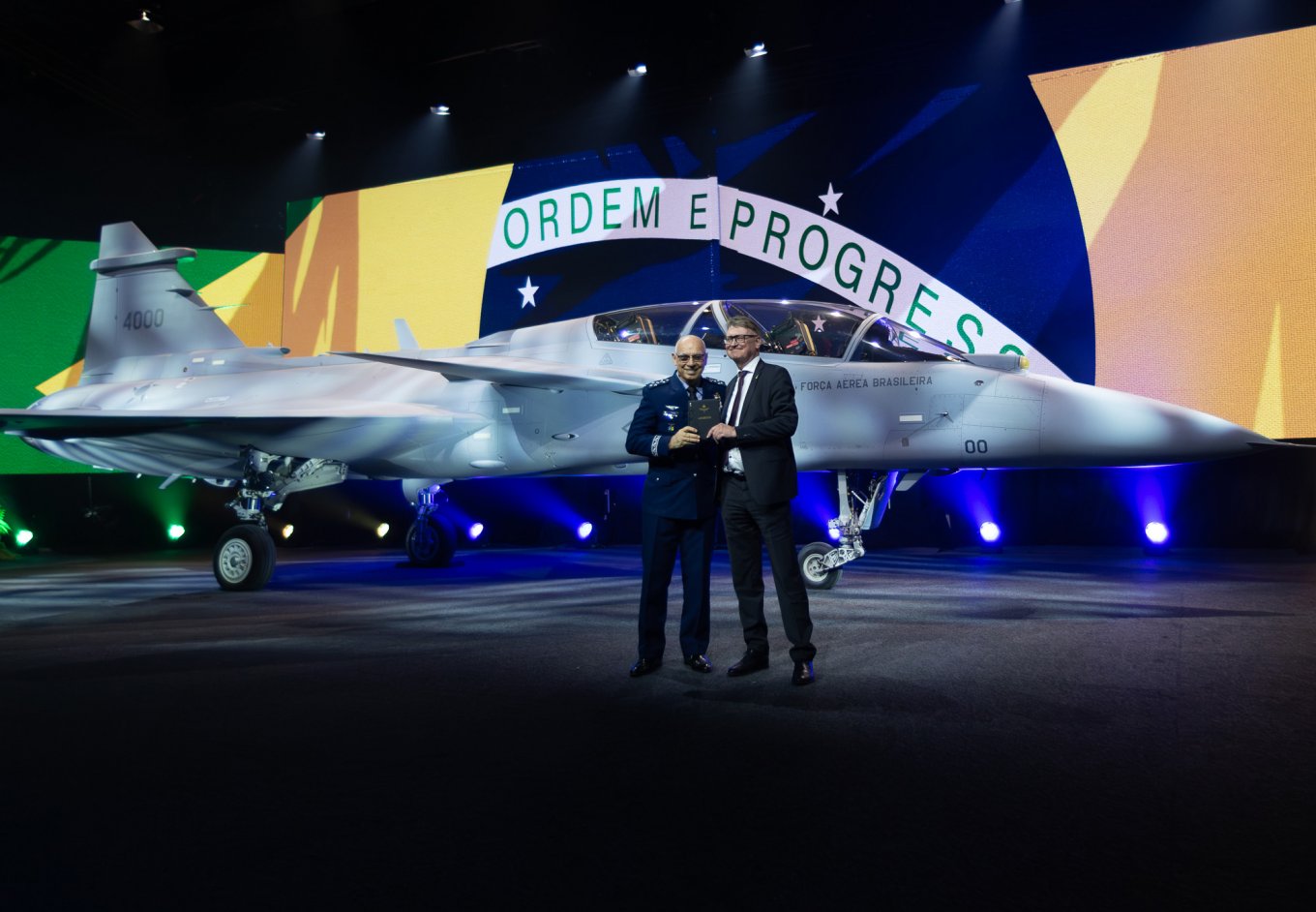
For instance, the first fighter jet assembled in Brazil was unveiled only in 2026, a full 12 years after the contract was signed, which stipulated the delivery of all 36 aircraft by 2024. Recently, Saab presented the first two-seater Saab F, manufactured under the Brazilian contract.
From Defense Express’s perspective, the additional Gripen E fighter jet contracts raise questions about their impact on the delivery schedule of these aircraft to Ukraine. Ukraine has already announced plans to procure 20 Gripen E jets for its Air Force, with a potential future order expansion to 100-150 aircraft. Moreover, Sweden itself recently indicated intentions to purchase more Gripens, specifically the two-seater Gripen F variant.
Regarding the additional Gripen E jets for Brazil, it is highly probable that the assembly of these aircraft and the production of certain components will also take place at Brazilian manufacturing facilities. The Swedish Minister of Defence alluded to this possibility, expressing a positive outlook on such an arrangement, noting that it would be “good for Sweden, as we are already overwhelmed with work” due to current and future orders for Gripen fighter jets.
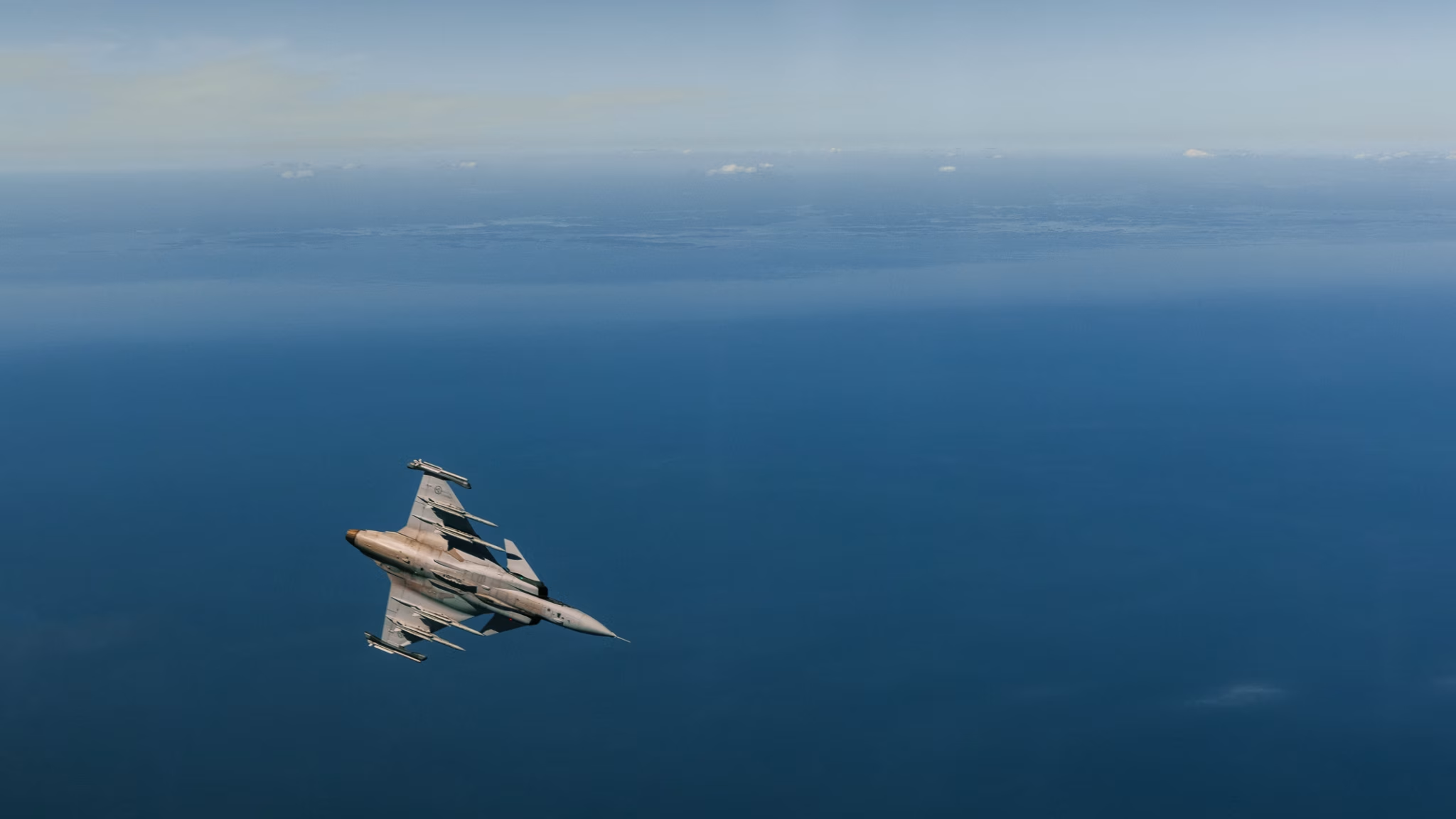
This is because Canada is also considering these aircraft for its air force, reportedly aiming for a mixed fleet of Gripens and F-35s, with initial plans to acquire as many as 60 Swedish aircraft. It is also important not to overlook the existing contracts with Thailand and Colombia, as well as the production of aircraft for the Swedish Air Force.
However, even with Brazil’s involvement in the production of Gripen E as part of its own contract, and Saab’s promotion of this fighter jet in Canada, including offers to produce aircraft under the Ukraine agreement, production bottlenecks for the Gripen may still arise. This is due to the fact that a number of components for this aircraft are manufactured in various countries; for example, British firms alone produce over 30% of the components for the Gripen, including its radar.
Therefore, it is possible that with new orders for the Gripen, especially large-scale ones like those for Canada or Ukraine (if a larger number of aircraft is agreed upon), the delivery of these fighter jets could experience delays. This is further underscored by the fact that even for the Swedish Air Force, the production of the Gripen E and the fulfillment of the contract are experiencing schedule slippage. Nevertheless, in any case, more details regarding delivery timelines and other aspects will be disclosed upon the signing of a firm contract.
Regarding production rates, they reached 12 fighter jets per year in the autumn of last year, with plans to increase this to 20-30 aircraft within 2-3 years, eventually aiming for a production rate of 36 fighter jets annually. Previously, we analyzed how long Saab would supply Gripen E/F under firm contracts, and with some exceptions, this generally extends to delivery dates by 2032.
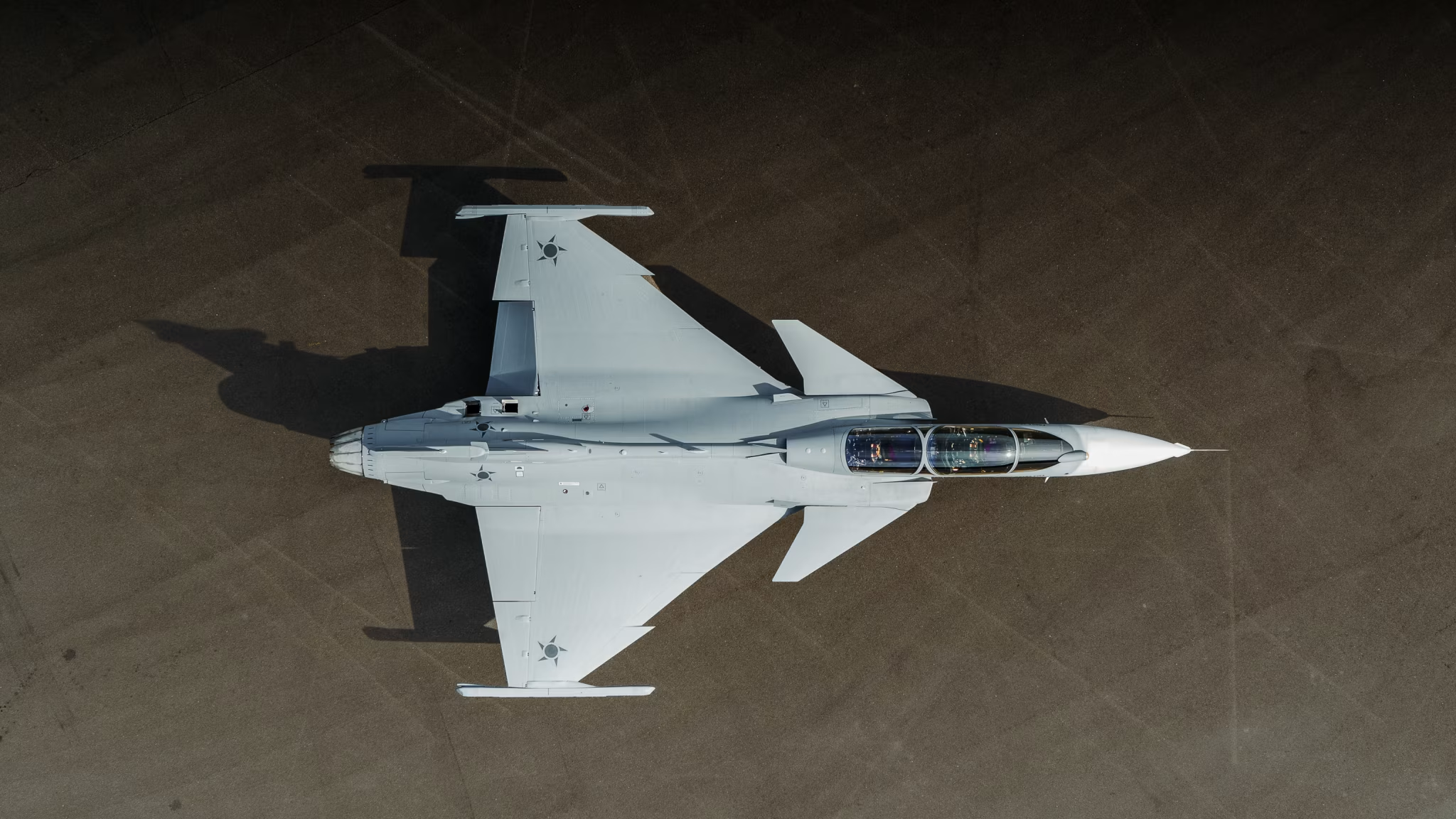
Previously, Defense Express reported that in response to Ukraine’s purchase of the Gripen E, Airbus reiterated its willingness to collaborate with Saab on developing a 6th-generation fighter jet.