
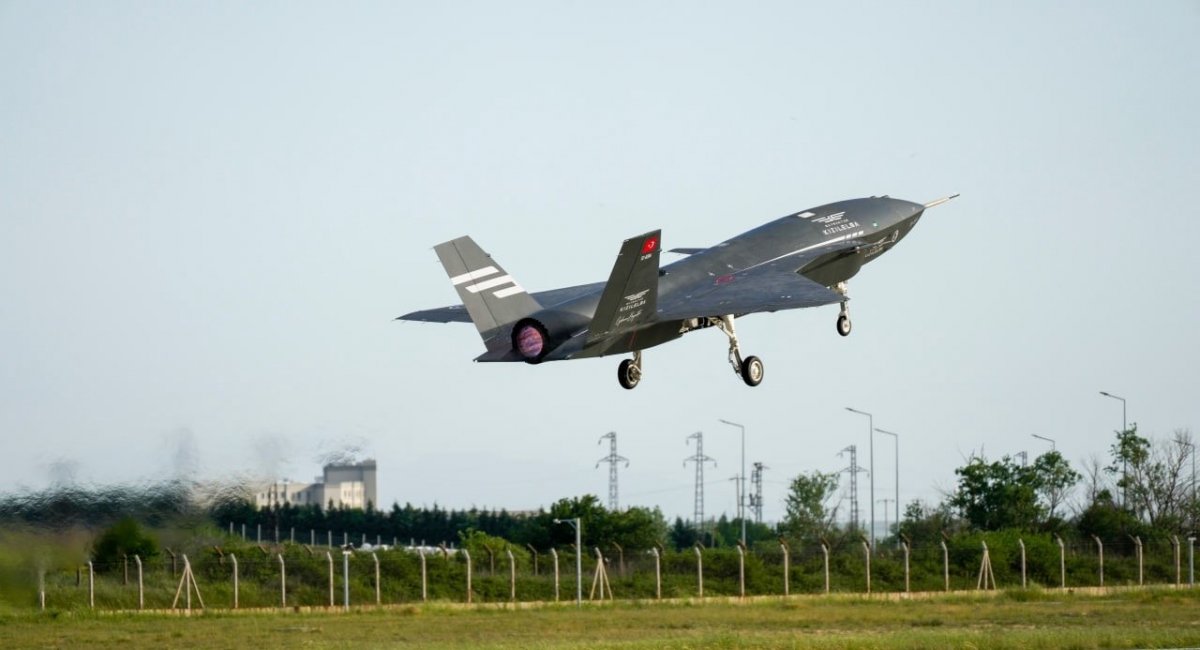
Italy and Turkey are advancing their K-SWARM project, aligning with current combat aviation trends – flight tests involving M-346 aircraft have been conducted
Turkey and Italy have achieved significant headway in the collaborative K-SWARM initiative, focused on developing technology for the battlefield interaction between manned and unmanned aerial vehicles (Crewed-Uncrewed Teaming – CUC-T).
Specifically, Italy’s Leonardo and Turkey’s Baykar Defense, in a joint press release on June 22nd, announced the successful conclusion of the initial phase of this project, which also encompasses the practice of swarm control.
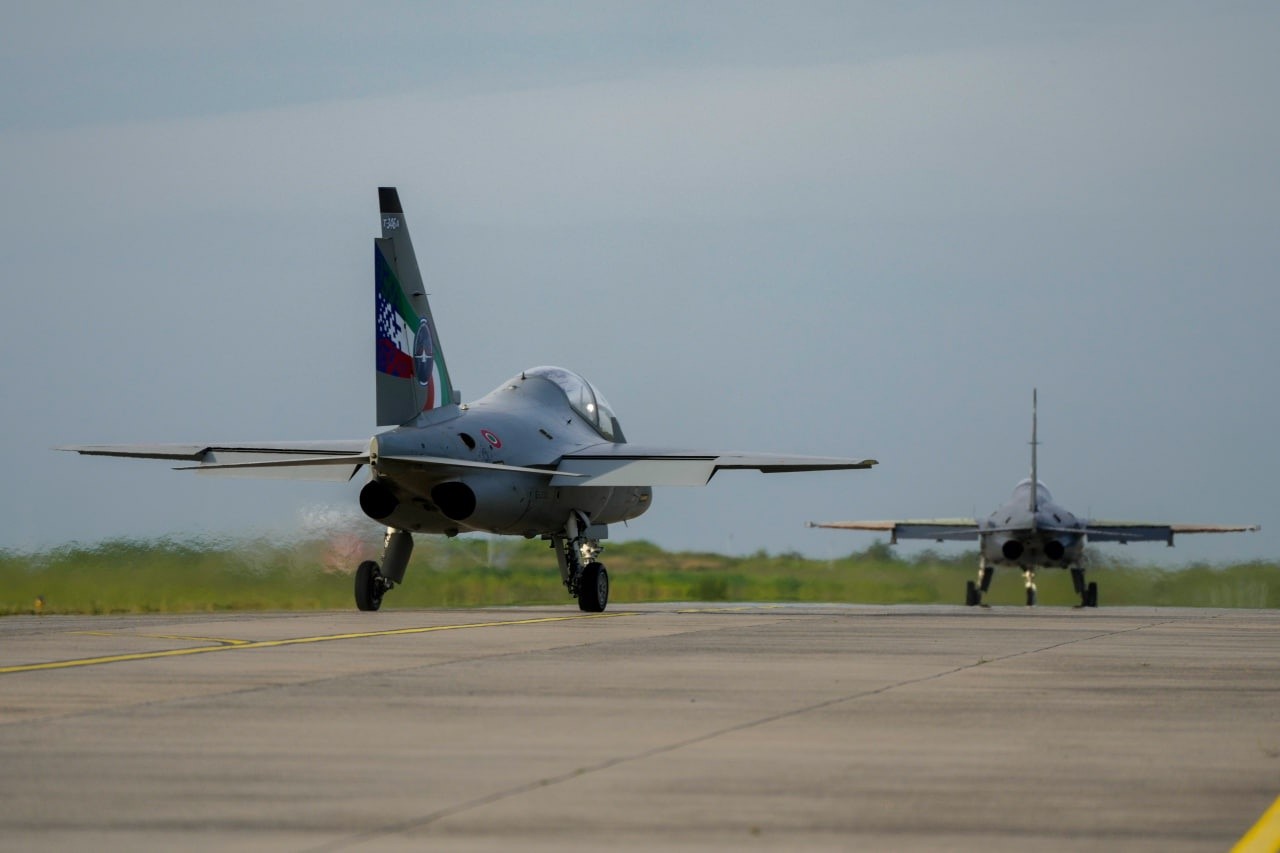
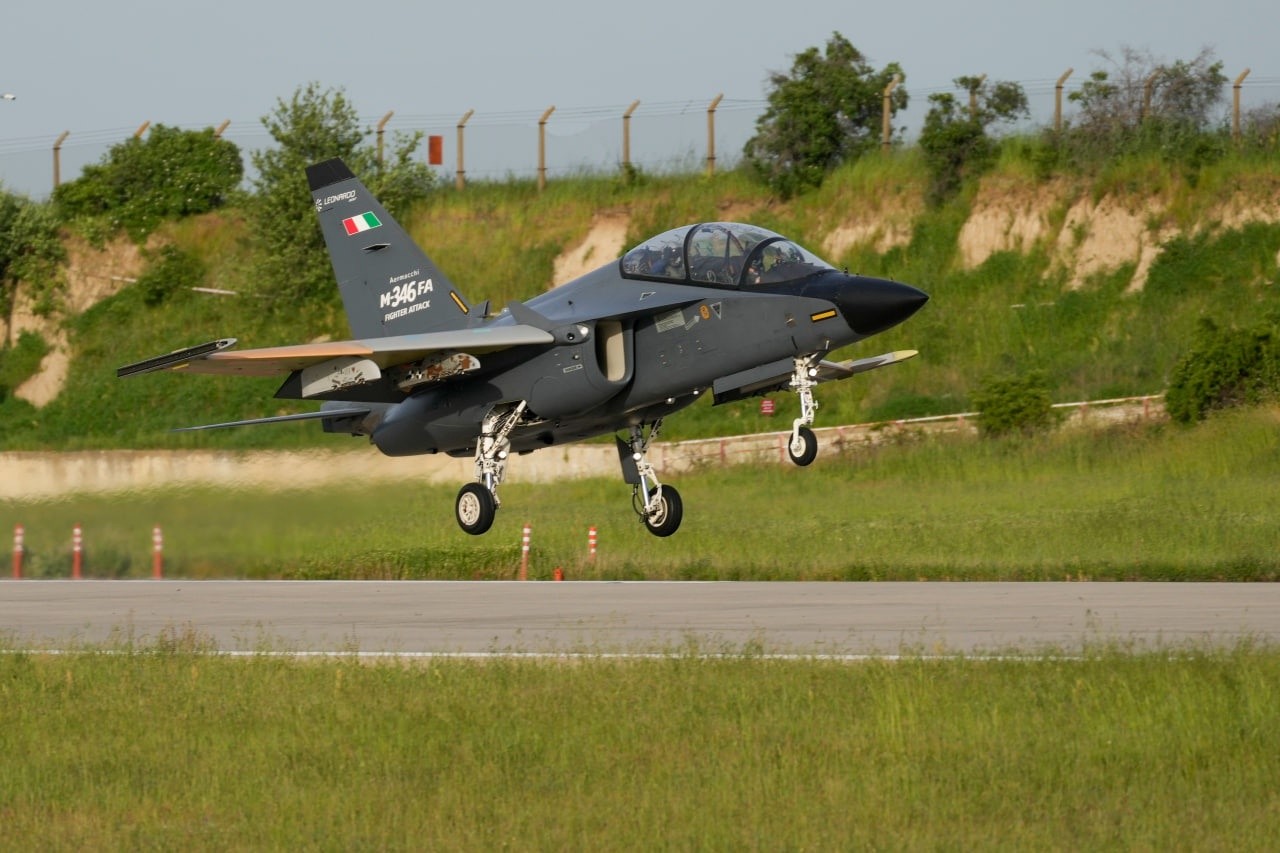
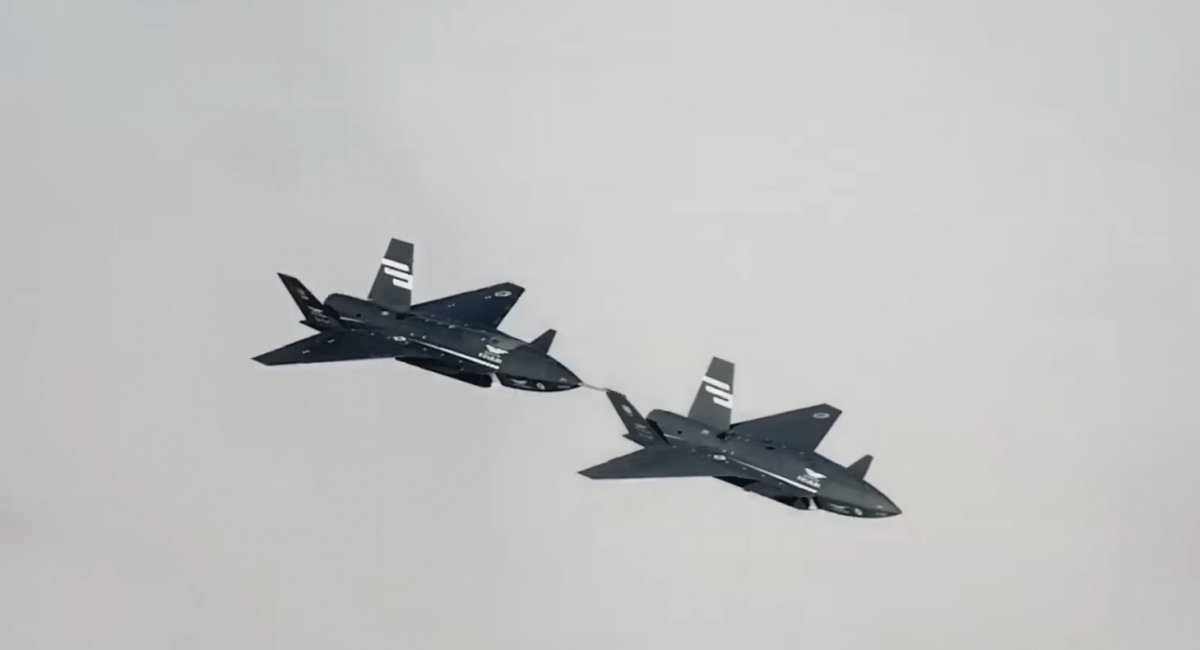
The tests, which took place in May at one of the Turkish company’s flight testing facilities, involved a total of two aircraft (one M-346FA light combat aircraft belonging directly to Leonardo, and an Italian Air Force T-346A trainer aircraft) and one Kizilelma unmanned fighter jet.
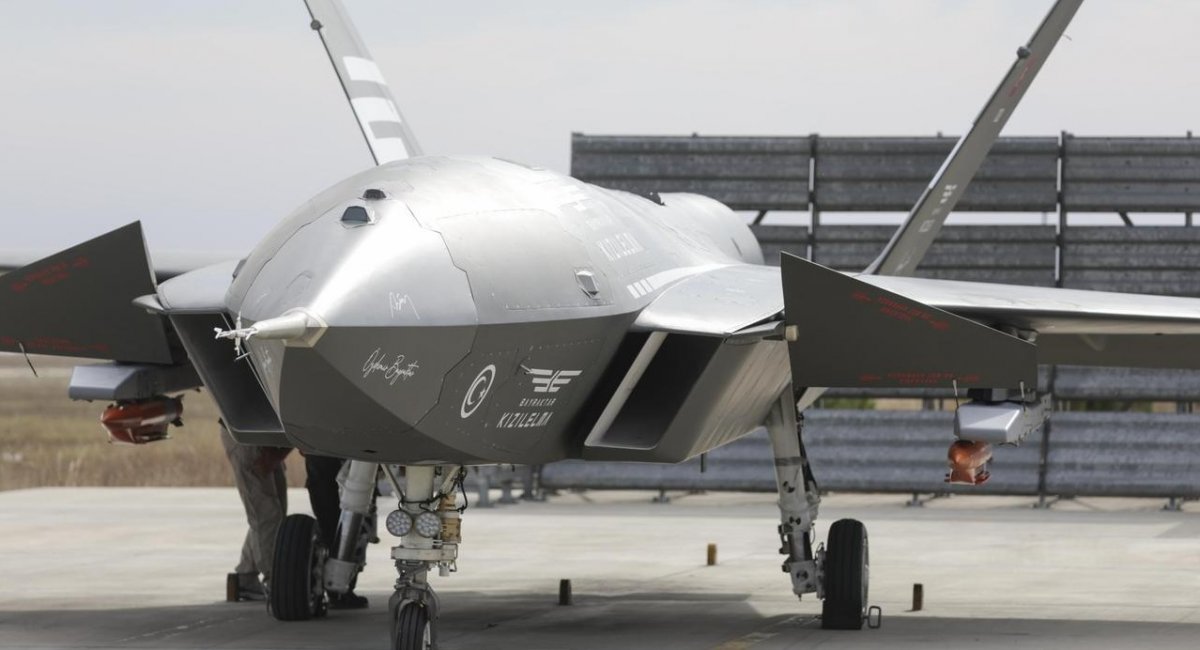
During the tests, the Turkish Kizilelma successfully joined the Italian aircraft after takeoff, with their crews ultimately taking control of the unmanned fighter. It is worth noting that this aircraft is intended to be equipped with the Ukrainian AI-322F engine, although Turkey has future plans to install engines of its own design.
Leveraging Smart Fleet Autonomy algorithms, the drone successfully executed simple commands from the manned aircraft crews for maneuvering, position changes, and similar actions. These tests were crucial for the further advancement of the K-SWARM project, as the data obtained formed the basis for defining the program’s future steps.
From the Defense Express perspective, it is noteworthy that Turkey is actively developing its Bayraktar series drones. Regarding the Kizilelma, this unmanned fighter jet made history last autumn when two prototypes, supported by AI, flew autonomously in formation.
The CUC-T concept, also commonly referred to as MUM-T (Manned-Unmanned Teaming), represents a move towards modern trends, notably being actively implemented in sixth-generation aircraft projects. These projects, beyond the primary aircraft, involve the creation of so-called “loyal wingman” drones controlled from manned aircraft, and a “combat cloud” that integrates all these technologies into a unified system.
Regarding the Italian M-346 aircraft, it’s important to recall that while this platform has Russian origins, stemming from a joint project between Italy and the Russian Federation in the 1990s to develop a trainer-combat aircraft, disputes led to its dissolution in the 2000s, with each country pursuing its own path.
Despite this, for instance, in the United Kingdom, concerns were actively raised about this history when selecting an aircraft to replace the Hawk T1 for the Red Arrows display team. The argument was that they would not fly aircraft developed in Russia, even though the collaboration occurred over a quarter of a century ago and holds no practical or any other significance now.
Previously, Defense Express reported that the Baykar Kızılelma unmanned fighter jet, equipped with a Ukrainian engine, secured its first export customer: Indonesia.