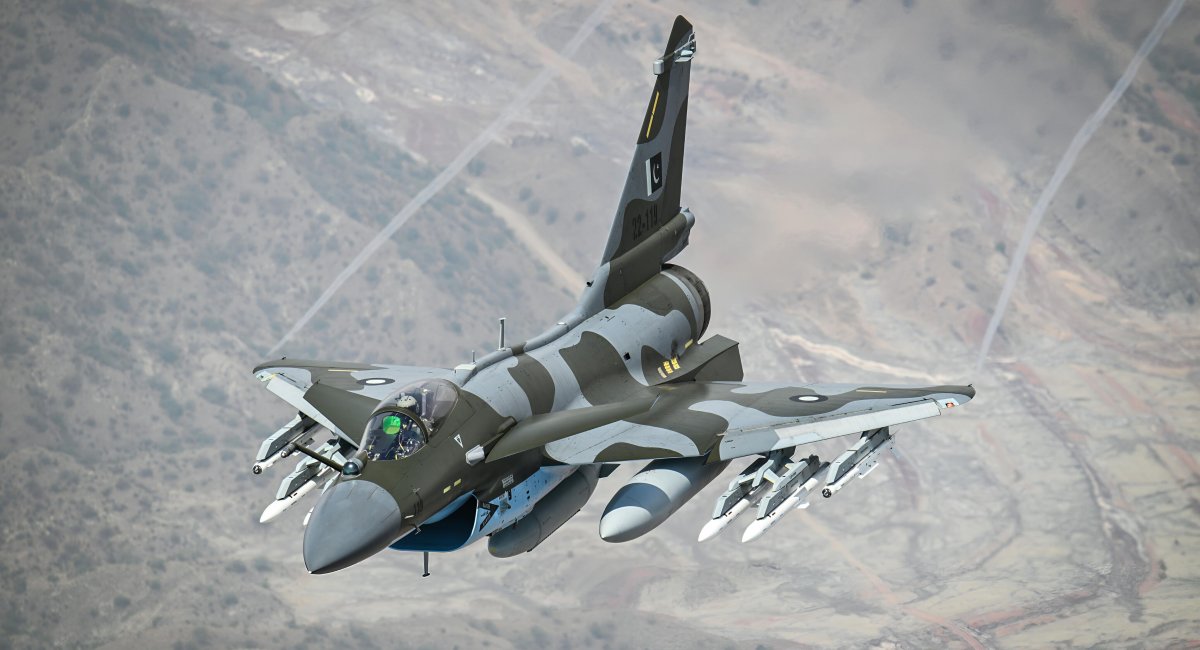
Previously, it was thought that the success of the Pakistan Air Force was due to a combination of three Chinese components: the ZDK-03 AEW&C aircraft, the J-10CE fighter, and the long-range PL-15 air-to-air missile, but new details from China cast doubt on this theory.
Despite the fact that the largest air combat engagement in recent history between the Indian and Pakistani air forces took place over a year ago, on the night of May 7, 2025, its details are emerging very slowly.
In particular, official confirmation that the Chinese J-10 fighter achieved its first combat victories only appeared six months later, and now it has been revealed how exactly it was utilized. This revelation came from China’s CCTV, which interviewed academic Ben De, a developer of radar targeting systems, including the KLJ-7A for the J-10, as reported by Sohu.
He stated that Pakistani J-10CEs shot down a total of six Indian Air Force aircraft, including three Rafales, without suffering any losses among their own J-10CE fleet.
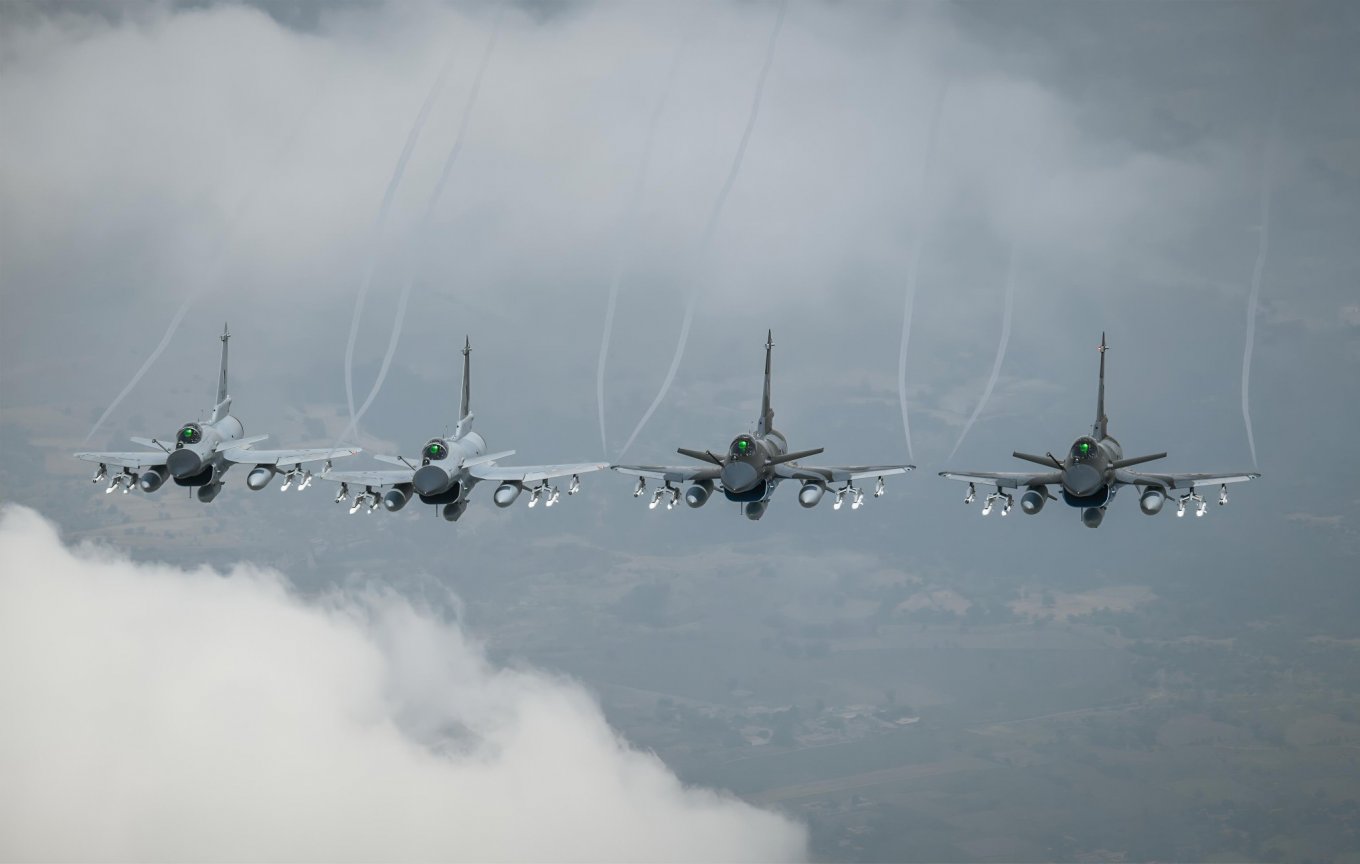
From Defense Express’s perspective, Pakistan initially officially reported downing two Rafales, one MiG-29, one Su-30MKI, and one UAV. However, Islamabad later increased its claims for this night engagement, now stating a total of two additional Rafales and one Mirage 2000. India has not confirmed these losses, but the loss of one Rafale, serial number BS-001, is independently verified and known.
Since then, the achievements of the Pakistani Air Force were attributed to superior air combat organization and an advantage in airborne early warning and control aircraft – Pakistan operated 8 Swedish Saab 2000 Erieye and 4 Chinese ZDK-03 (Y-8) aircraft, compared to India’s 3 Indian EMB-145AEW Netra and three Russian-Israeli A-50EI.
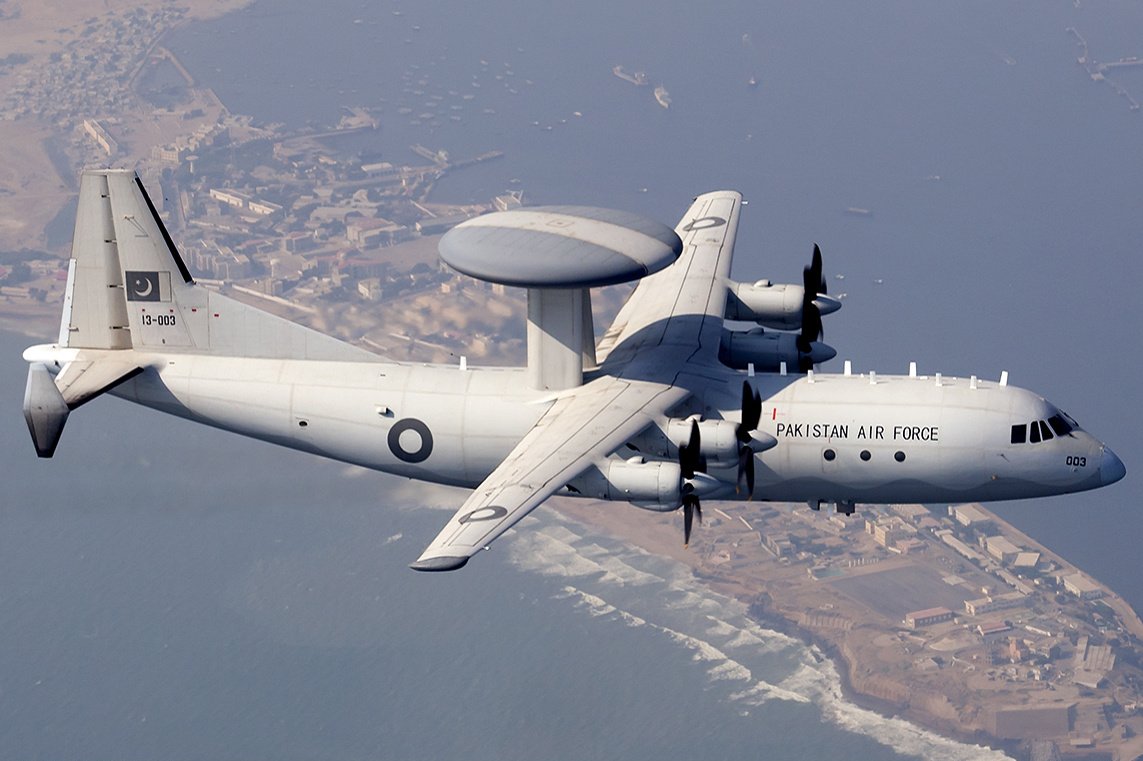
The combination of three Chinese components – the ZDK-03 AEW&C aircraft, the J-10CE fighter, and the PL-15 long-range air-to-air missile – was considered the primary “formula for success” for the Pakistani Air Force. It was believed that the J-10CEs might not have activated their onboard radars and could have launched PL-15 missiles based on targeting data from ZDK-03 AEW&C aircraft, which also managed air-to-air missiles from a safe distance.
However, Chinese academic Ben De stated that the J-10CE fighters used their own onboard KLJ-7A radars during the engagement with Indian aircraft. Pakistani fighter pilots independently searched, detected, captured, and attacked targets at a range of 200 km. This was accomplished without activating the radar warning and missile threat systems on the Indian Air Force aircraft.
This was made possible because the KLJ-7A is based on GaN technology, which allows for reduced output power without sacrificing detection range, and utilizes specialized radar operating algorithms. Specifically, the KLJ-7A employs constant frequency changes across a wide spectrum, pulse compression, and signal masking techniques to mimic “noise.”
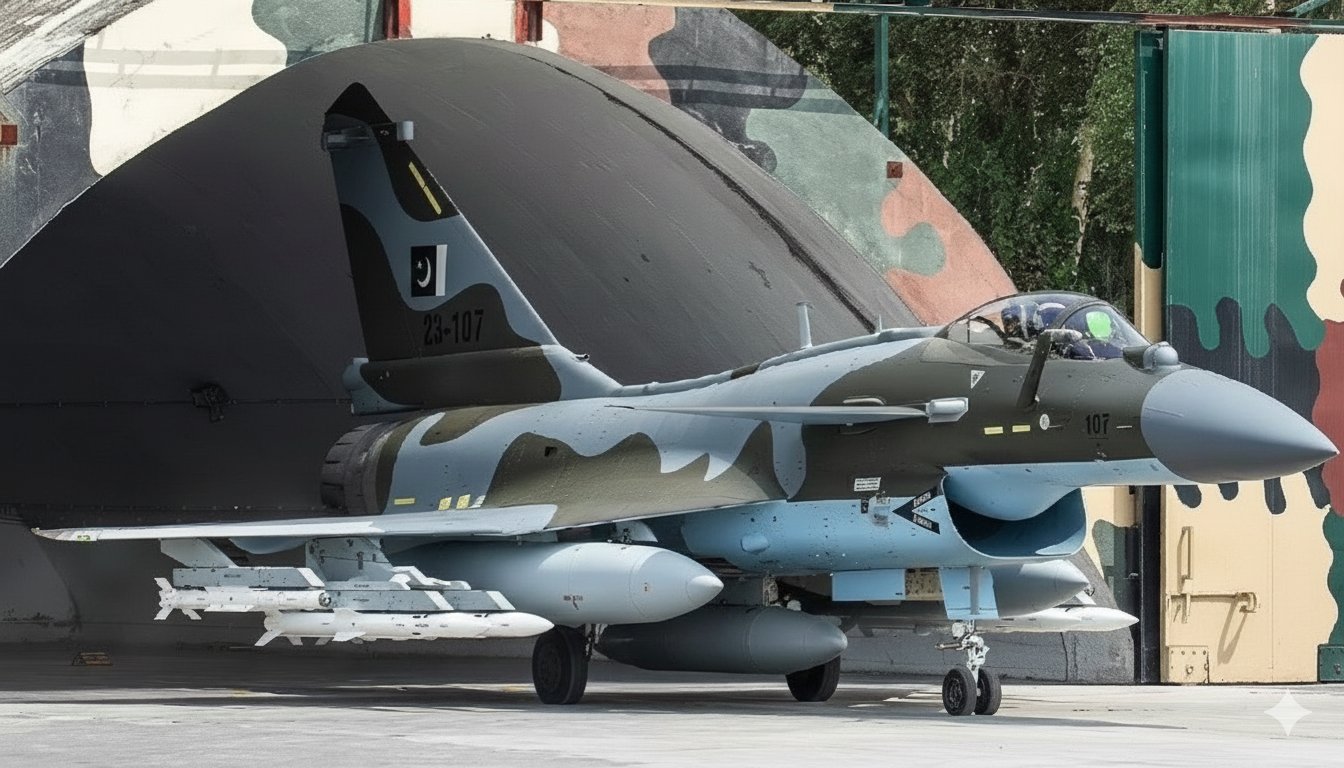
As a result, according to Chinese sources, not only the Russian warning systems on the MiG-29 and Su-30MKI, but also the well-known Thales Spectra system installed on the Rafale, were rendered ineffective. Nevertheless, it is important to approach any statements from China with a degree of skepticism.
Defense Express encourages participation in a fundraiser for effective solutions: “Unified Collection” by the “Prytula Foundation” for interceptor drones.