
The Neolithic Revolution is not merely a shift from hunting to farming. It’s a pivotal moment when humanity fundamentally altered its destiny: its way of life, societal structure, and even the pace of civilization’s development.
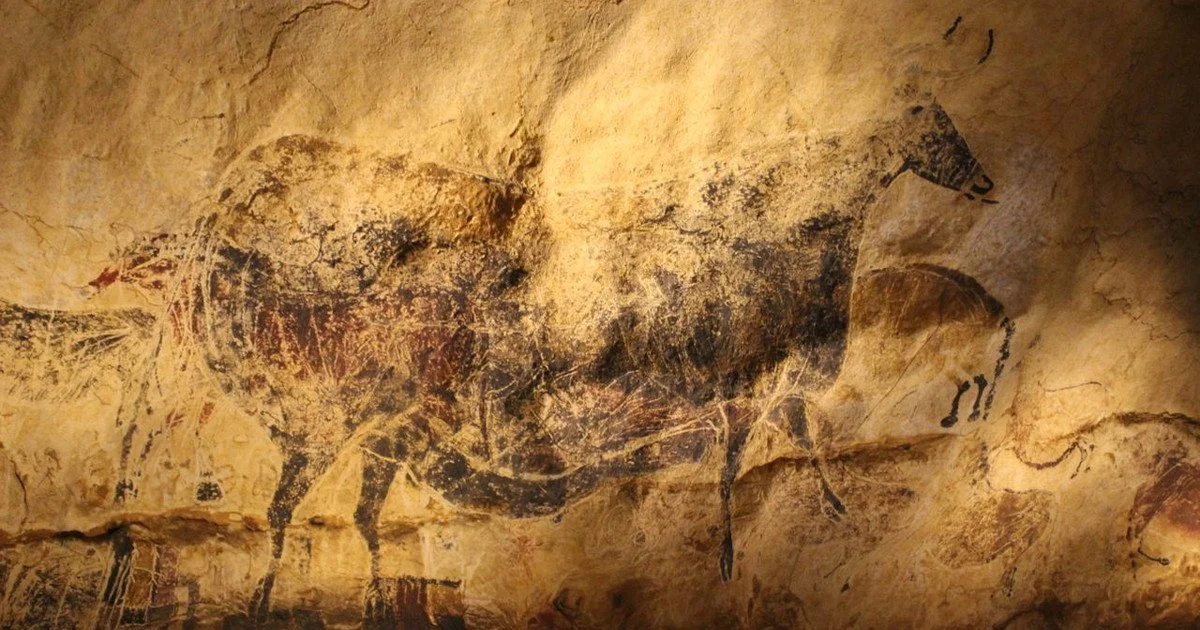
What the Neolithic Revolution changed / © pexels.com
Modern research, particularly in the Cambridge Archaeological Journal, views this transformation not as a singular “revolution” but as a profound and extended process of transition between two distinct worlds: the world of hunter-gatherers and the world of early agrarian societies.
A Transition That Wasn’t Instantaneous
Archaeologists emphasize that the term “revolution” can be misleading.
The changes occurred gradually—independently in different regions of the world. People began to:
-
settle in permanent communities;
-
experiment with cultivating plants;
-
domesticate animals;
-
form the initial elements of social hierarchy.
However, this process spanned millennia.
Agriculture as an Economic Turning Point
From the perspective of economic history, the transition to agriculture was not just a cultural shift but a radically new economic model.
Research in the Journal of Development Economics ScienceDirect indicates:
-
agriculture triggered a demographic boom;
-
the population began to grow faster than ever before;
-
yet, the quality of life for early farmers often declined.
The Paradox of Progress
Despite increased food production:
-
people worked more hours;
-
dietary diversity decreased;
-
population health deteriorated;
-
social inequality grew.
In other words, humanity became “richer” but not necessarily “happier.”
How the First States Emerged
One of the key consequences of the Neolithic Revolution was the birth of statehood.
As people began cultivating grains, a need arose for:
-
controlling stockpiles;
-
recording harvests;
-
protecting resources;
-
organizing labor.
This led to the creation of the first administrative systems—the foundation of future civilizations in Mesopotamia, Egypt, and elsewhere.
Why It Changed Humanity’s Very Logic
The Neolithic Revolution altered not only the way of life but also human thought processes.
Hunter-gatherers lived under conditions of:
-
mobility;
-
more equitable resource distribution;
-
flexible social structures.
In contrast, agrarian societies demanded:
-
planning;
-
resource accumulation;
-
control and subordination;
-
hierarchy.
This laid the groundwork for the world we recognize today.
Civilization as a Compromise
Contemporary science increasingly views the Neolithic Revolution not as a “victory of progress” but as a complex compromise.
Humanity gained:
-
technological advancement;
-
population growth;
-
the emergence of cities and states.
However, it simultaneously lost:
-
a degree of freedom;
-
ecological balance;
-
social equality.
The Neolithic Revolution stands as one of the most significant transformations in human history.
It did more than just change the economy—it created the very foundation of civilization. Yet, it also posed a question to humanity that remains relevant today: does progress always equate to an improved life?
FAQ
What is the Neolithic Revolution in simple terms?
It is humanity’s transition from hunting and gathering to agriculture and settled living, which reshaped the economy, society, and people’s lifestyles.
Why is the Neolithic Revolution considered so important?
Because it led to the rise of cities, states, social hierarchies, and modern civilization.
Did people’s lives improve after the transition to agriculture?
Not unequivocally. The population increased, but early farmers often worked more and had poorer health compared to hunter-gatherers.
Comments Sort: New Old Popular Submit