
Hungary has emerged as the sole European Union member state to impede a crucial procedural step for the advancement of Ukraine’s and Moldova’s accession bids.
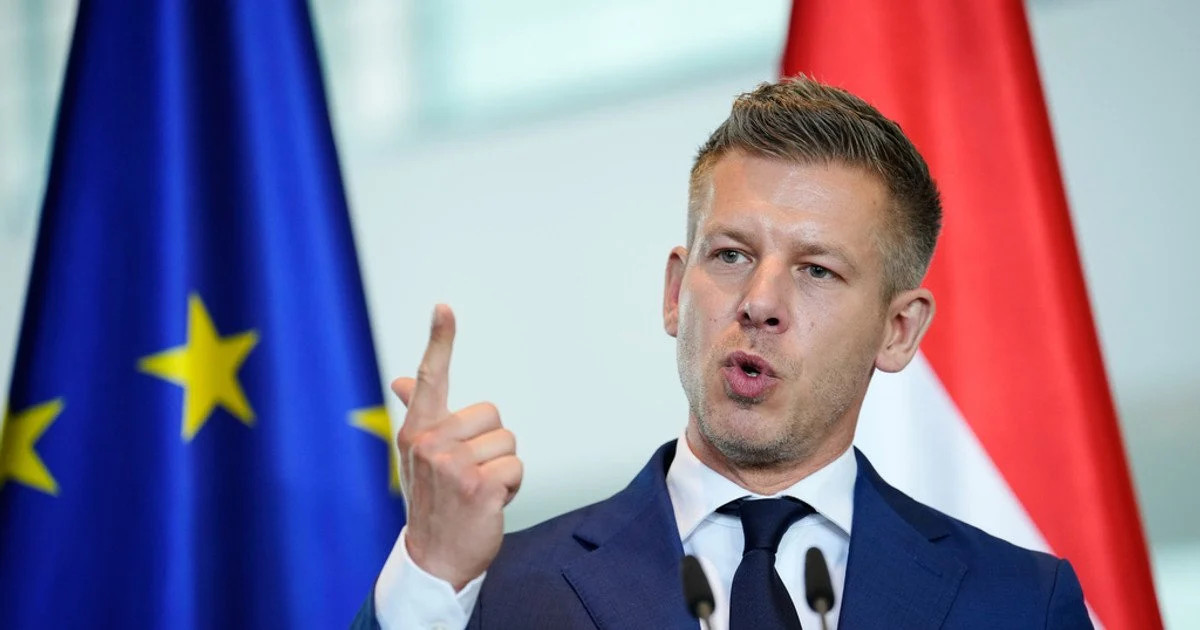
Hungarian Prime Minister Péter Magyar / © Associated Press
On Tuesday, June 23, 2026, in Brussels, the Hungarian government postponed the endorsement of a joint European letter, aiming to decelerate the swift commencement of new negotiation chapters for Ukraine and Moldova.
Politico, citing European diplomats, reports on Budapest’s latest obstruction of Kyiv’s and Chisinau’s integration process into the bloc.
Hindering the EU’s Common Stance
The accession applications of both nations are politically intertwined; consequently, on June 15, EU member states unanimously approved the opening of the first official chapter for them. Following this, Kyiv anticipated rapid progress, intending to initiate work across all six negotiation clusters by mid-July. However, this optimistic timeline is now under significant threat.
Hungary proved to be the solitary nation opposing the dispatch of a letter on behalf of the 27 bloc members, outlining the collective position of European capitals. As this pivotal procedural move necessitates unanimous approval, the discussion on further enlargement had to be deferred to the following week.
Péter Magyar’s Consistent Strategy
These actions by Budapest align perfectly with Hungarian Prime Minister Péter Magyar’s generally cool demeanor towards Ukraine’s European integration. Last week, the politician personally ensured the removal of a clause concerning Ukraine’s accelerated accession from the final EU summit declaration. According to him, the deletion of this significant phrase was not easily achieved due to resistance from other European leaders, but it ultimately secured universal agreement.
At the same time, the head of the Hungarian government publicly voiced considerable doubts regarding the necessity of urgently opening the remaining negotiation chapters with Kyiv. He attributed his skepticism to purely procedural considerations and an unwillingness to send an unfavorable signal to the Western Balkan states, who have been awaiting EU membership for years.
“There are six clusters in total, and we do not consider it a good idea to open them all at once—partly because the ink on the first one has not even dried yet,” stated Péter Magyar during a press conference in Brussels.
Comments Sort by: New Old Popular Send