
Garlic is one of those vegetables that are hard to imagine a home kitchen without. It adds character to mashed potatoes, tomato sauce, meat, and vegetable dishes. But even the best variety will not please with large, juicy heads if harvested too early or too late.
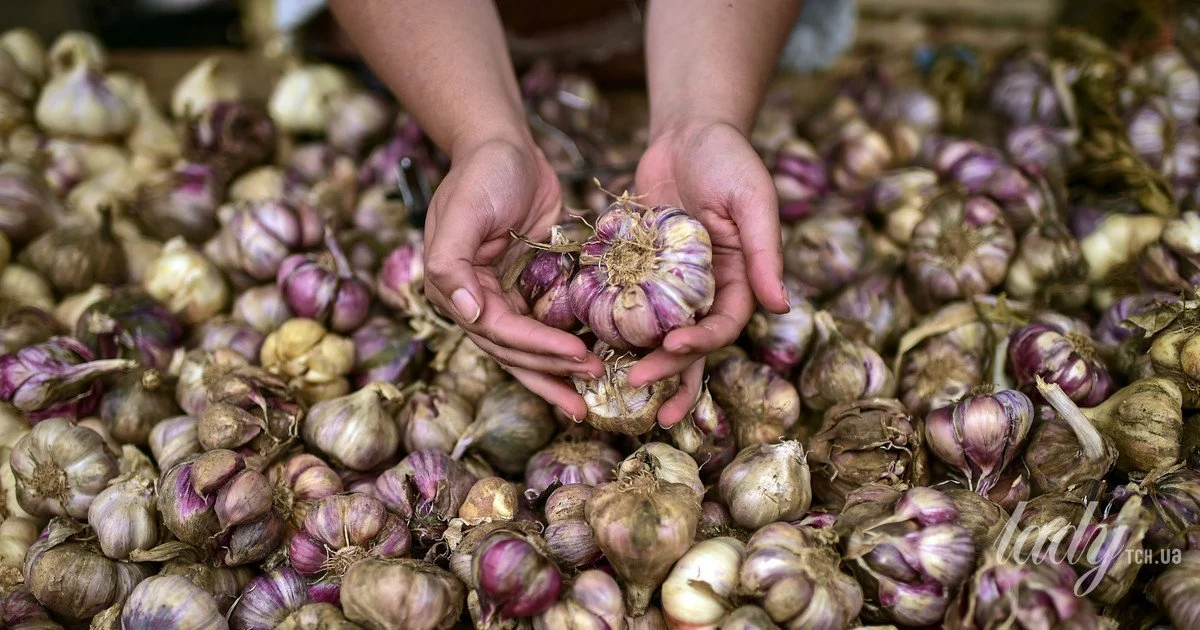
Garlic / © Credits
Contents
There are two main types of garlic – hard-stemmed with a firm stalk, and soft-stemmed. Both can be planted in autumn or spring, both in open ground and in greenhouses, but the signs of maturity differ slightly. Martha Stewart’s publication explained how to determine the ideal moment for harvesting garlic, how not to damage the crop during harvesting, and what to do to ensure it stays fresh for up to six months, or even longer.
Signs of maturity of soft-stemmed garlic
Pay attention to the stems. For example, they may begin to naturally bend and lie down on the ground. This is the main indication that the bulbs have formed and are ready for harvesting.
Signs of maturity of hard-stemmed garlic
There are a few more signals here. First, the leaves start to turn yellow. After a few weeks, the lower leaves turn brown and dry out, while the upper ones remain green. This combination of colors indicates that the head has fully formed.
However, be careful not to trim the dried lower leaves, even if the bed looks untidy. During this period, the leaves continue to transfer nutrients to the bulb and help it fully mature.
Another important indicator is the garlic scapes. As long as they are curled, the plant is still actively growing. When the scapes begin to straighten out, it means the garlic is entering the final stage of development.
It is recommended to remove the flower bud before it opens. This way, the plant will not expend energy on flowering but will direct all its energy into forming a large head.
If doubts still remain, you can carefully uncover a bit of soil around the bulb and check if it has fully formed.
Young garlic
You don’t have to wait six months to enjoy your own harvest. Don’t forget about the so-called green garlic – young plants harvested in spring before full maturity.
It is used just like green onions. Young garlic should be stored in the refrigerator, simply wrapped in a bag or placed in a small container with a thin layer of water.
For many chefs, this is a true seasonal delicacy.
How to properly harvest garlic
Preparation for harvest should begin in advance. It’s best to stop watering about a week before harvesting. Dry, loose soil makes the work much easier, and dry heads store better. It is also not recommended to harvest after rain or in damp weather.
You will need for the job:
-
a garden trowel, shovel, or garden fork
-
a container for the harvested crop.
Before starting, it’s advisable to wash the tools with soap and water. Then, carefully loosen the soil around the head. Do not pull the garlic by the stem alone, as this can easily damage the bulb or detach it from the stem.
Support the head with one hand from below and gently pull the plant with the other, holding near the base of the stem. This method significantly reduces the risk of damaging the crop.
Drying is the most important stage
If garlic is dried properly, it can be stored for five to six months without issues. That’s why it shouldn’t be washed after harvesting.
The drying process determines the future shelf life. It’s best to tie the stems into bundles of five to ten plants and hang them in a dry, well-ventilated area away from direct sunlight for two to four weeks. During this time, a characteristic dry papery husk will form around the head, protecting it during long-term storage.
After complete drying, trim the roots and shorten the stem to about 5–8 cm. Then, simply clean the heads of any soil residue.
Storing garlic to prevent sprouting
The best place for storage is a cool, dry, and dark location. Light can stimulate sprouting, and excessively high temperatures lead to head dehydration.
If it’s more convenient to have peeled garlic ready, it’s best to separate it into cloves, peel them, and freeze them in an airtight container or bag. This will help prevent ice crystal formation and preserve the aroma longer.
You can choose another method – dehydration. To do this, slice the cloves thinly, dry them at a low temperature until all moisture is removed, and then grind them into homemade garlic powder. In a sealed container, such a seasoning can be stored for up to a year.
Tip for the next season
Think about the future harvest while planting. It’s recommended to cover the planted cloves not only with soil but also with a thick layer of straw. This natural protection shields the plantings from winter frosts and significantly eases harvesting in the summer, as the heads are much easier to pull from the ground without damage.
Growing good garlic is only half the battle. It’s equally important to identify the right time for harvesting, carefully dig up the heads, dry them properly, and ensure appropriate storage conditions.
Comments Sort: New Old Popular Send