
Three African nations have joined forces to supply 30 billion cubic meters of natural gas to Europe as an alternative to Russian energy resources.
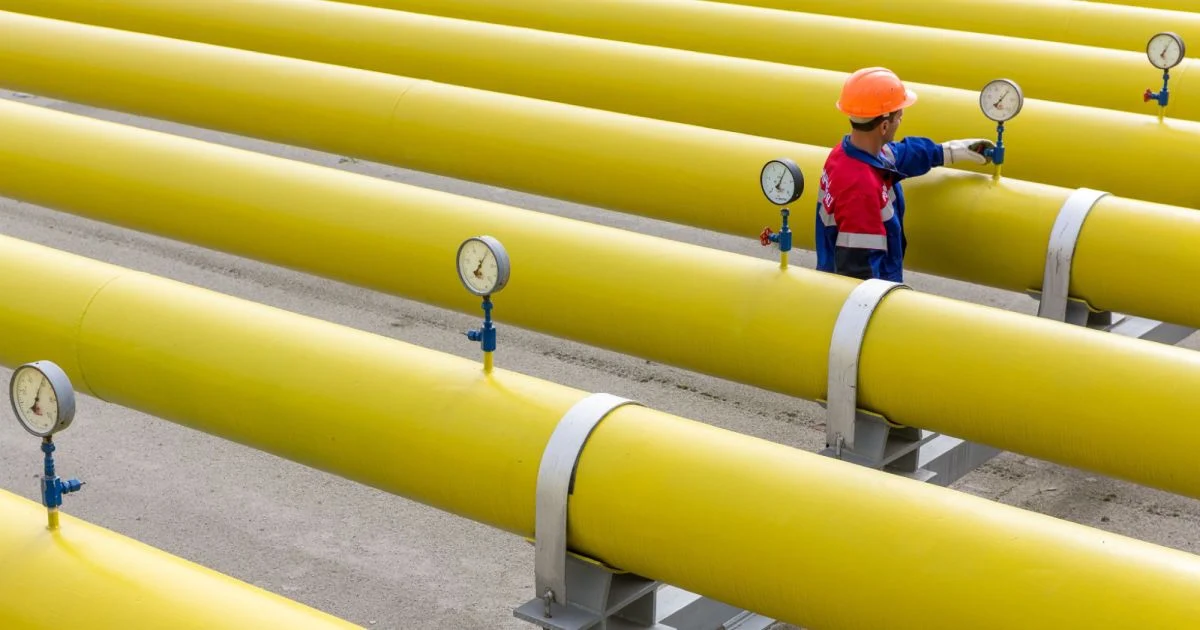
Construction of the Trans-Saharan gas pipeline has begun in Algeria
Nigeria, Niger, and Algeria have accelerated the implementation of the ambitious Trans-Saharan gas pipeline project, which aims to deliver up to 30 billion cubic meters of natural gas annually to Europe, serving as one of the alternative energy sources for the European market.
This initiative is reported by Business Insider Africa.
The initiative gains particular importance amid the gradual reduction of European countries’ dependence on Russian energy supplies.
Specifically, construction work has already commenced on the future route of the gas pipeline within Algeria. This marks a significant step in realizing the long-standing plan to transport Nigerian gas through Niger to European consumers.
The 4,128-kilometer route will connect Nigeria’s gas fields to Algeria’s gas transmission network, through which the fuel will then reach European countries.
The concept for the Trans-Saharan gas pipeline first emerged in the 1970s. The project was revisited several times in the early 2000s, but its realization was postponed for an extended period.
The project received a new impetus following Russia’s full-scale invasion of Ukraine. In light of the energy crisis and European nations’ drive to diversify gas supplies, interest in alternative routes has significantly increased.
Initially, the construction cost was estimated at $10 billion. Subsequently, the budget increased. According to various estimates, the project’s implementation could now cost between $13 billion and $19.5 billion.
The launch of the pipeline will enable Nigeria to expand its access to the European market and supplement its liquefied natural gas exports. For Niger, the project offers an opportunity to enhance its role as a key transit state in the region.
Algeria, which already accounts for approximately 12% of the European Union’s gas imports, will gain additional volumes for transmission through its existing infrastructure.
Concurrently, another major energy project is progressing in Africa. A Moroccan state-owned company is exploring options for securing financing to build a gas pipeline that would connect the fields of Nigeria, Senegal, and Mauritania to ten West African countries.
Earlier reports indicated that the European Union is preparing to streamline import regulations for gas from several countries, including the USA and Qatar, to expedite the replacement of Russian energy resources and bolster its own energy security.
Comments Sort: New Old Popular Submit