
Australian scientists have made a groundbreaking discovery, revealing the sinister mechanism by which viruses have learned to exploit the natural process of cell death in our bodies to infect us stealthily.
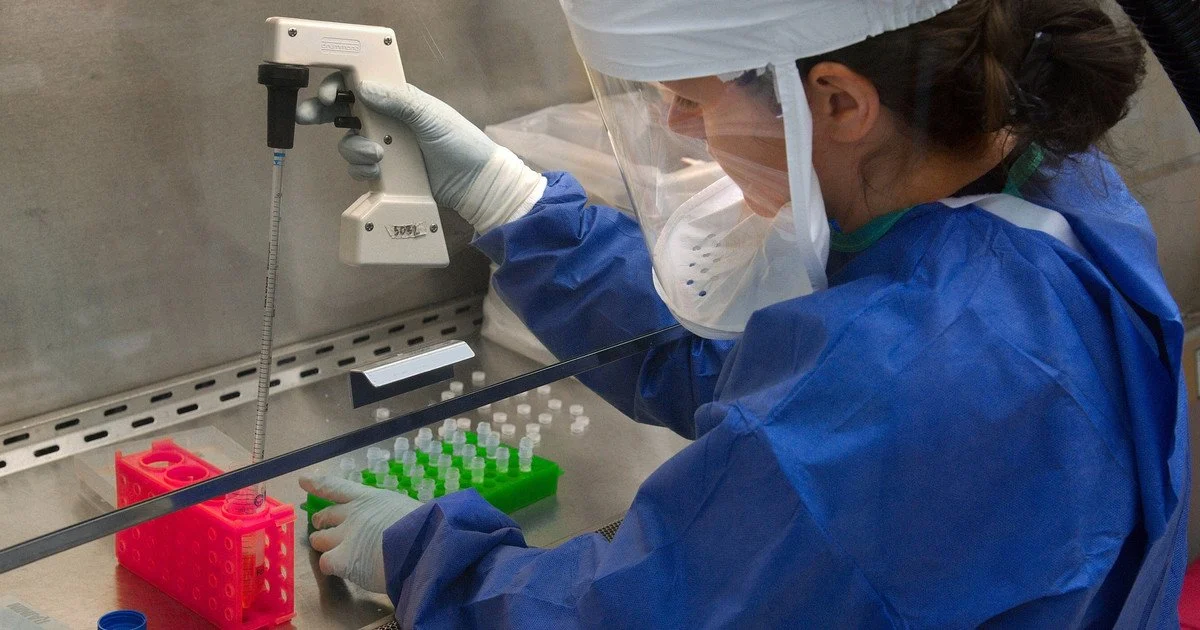
Researchers have uncovered the eerie way our own dead cells spread infection throughout the body / © Pixabay
A team of biochemists from La Trobe University in Australia has identified a completely novel mechanism for the spread of viral infections within the human body. The researchers found that pathogens are capable of hiding within the remnants of dead cells, thereby penetrating adjacent healthy tissues unimpeded.
This revolutionary biological discovery is reported in the esteemed scientific journal Nature Communications.
Breadcrumbs for the Immune System
Programmed cell death, known as apoptosis, is the body’s natural method of quickly eliminating damaged or unnecessary components. Until now, it was believed that the fragmentation process of a dead cell was a random and relatively simple occurrence.
Using 3D imaging, scientists meticulously analyzed this process and discovered a previously unknown type of extracellular vesicle. These protein-rich sacs, containing DNA and RNA fragments, have been named F-ApoEVs, or “death trails.”
They act as a kind of breadcrumb trail, guiding the immune system. The immune system follows these trails to efficiently clear cellular debris and prevent inflammation or autoimmune reactions.
The Perfect Camouflage for Infection
The team’s unexpected finding was how cunningly viruses have learned to leverage this natural cleansing process for their own benefit. During experiments with the influenza virus, researchers observed that the pathogen literally hides its particles within these residual vesicles.
As the immune system begins to clear the remnants of a dead cell, it inadvertently spreads the concealed viral fragments to neighboring healthy tissues. According to biologists, this represents a mode of infection spread previously unknown to science.
Messages from the Grave and Therapeutic Prospects
The research demonstrates that even after death, cells continue to actively communicate with the body and directly influence immune functions. This interaction can either support health or cause harm in the event of viral interference.
Currently, the identified mechanism requires further rigorous testing beyond the laboratory setting. Scientists hope that a deeper understanding of this fundamental biological process will pave the way for entirely new avenues in drug development.
In the future, specialists plan to create treatments that can enhance the function of “death trail” vesicles. This would allow for more effective treatment of systemic lupus erythematosus and the blocking of virus propagation at the cellular cleanup stage.
In related news, cute and curious raccoons, increasingly accustomed to living alongside humans in urban and rural areas, have come under scientific scrutiny due to a significant infectious threat. Researchers have stated that these omnivorous animals are carriers of a bacterium dangerous to humans.
Comments Sort by: New Old Popular Send