
The sun, warm days, and the desire to turn your garden into a green oasis – it seems summer is made for planting. However, not all plants love the heat; some vegetables and decorative crops don’t grow during the peak season but literally fight for survival.
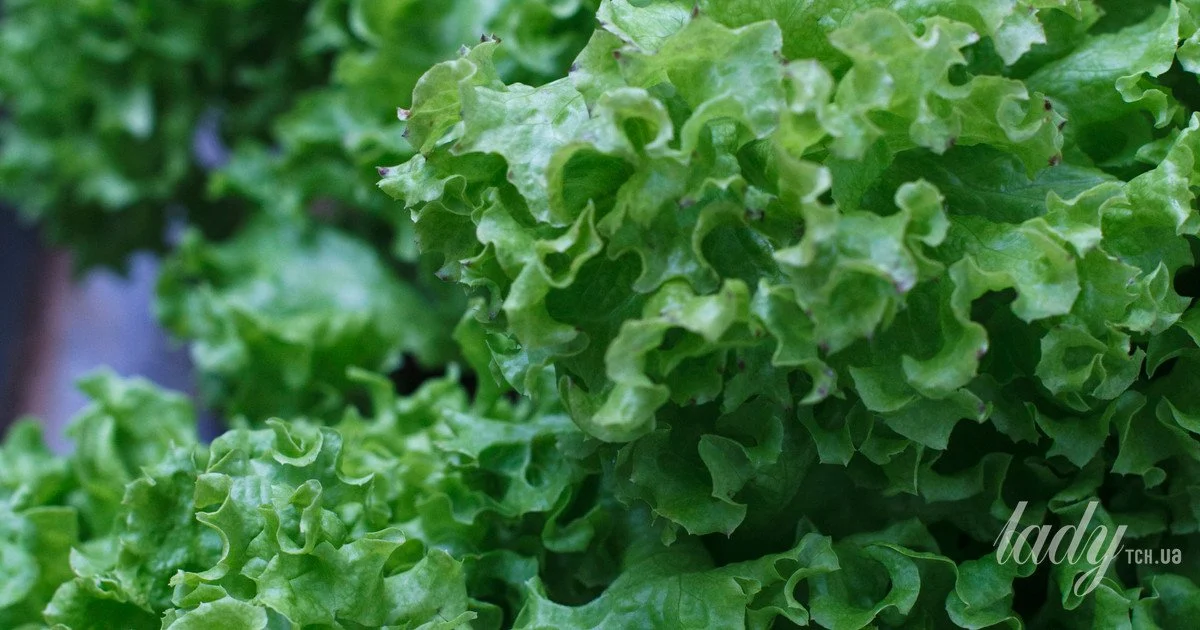
Which plants should not be planted in summer / © Associated Press
Summer appears to be the ideal time for gardening experiments, with plenty of sunshine, long days, and warm soil. One feels like planting everything, from greens to beautiful flowering shrubs. However, Real Simple reminds us that sunlight is not the only condition for successful growth. Some plants have their own “comfort calendar” and tolerate planting poorly during the hottest months.
This significantly applies to crops naturally adapted to cooler weather. In the heat, they may stop growing, lose flavor, or even perish from transplant stress.
Cabbage Vegetables
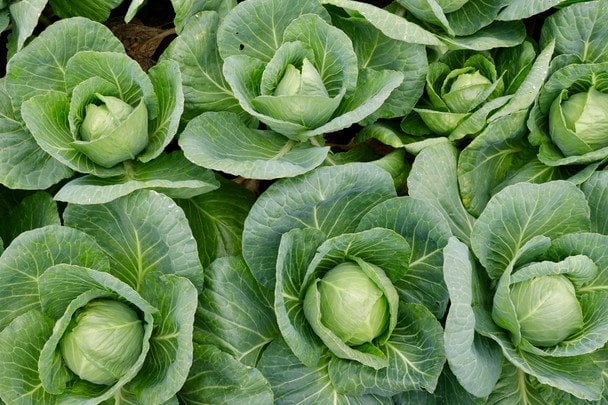
Cabbage / © Credits
Not all vegetables react equally well to summer heat. Members of the cabbage family, such as broccoli, white cabbage, and cauliflower, actually prefer coolness. These crops are frost-resistant and thrive best in mild, temperate weather. During summer heat, they may:
-
fail to form quality heads
-
prematurely bolt
-
disrupt their normal growth cycle
The best time for planting is early spring or late summer for an autumn harvest. The exact period depends on your region’s climate.
Lettuce and Spinach
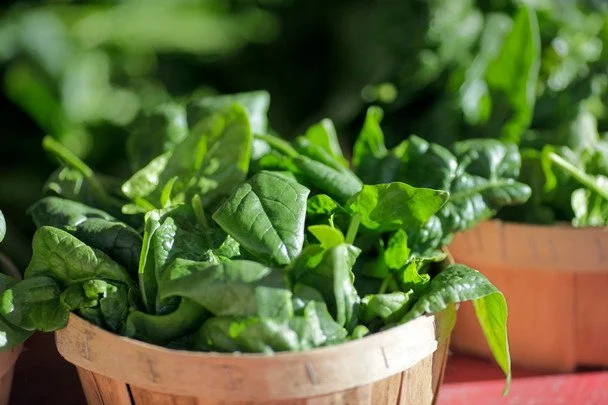
Spinach / © Associated Press
Fresh lettuce in a summer menu seems ideal, but growing it in the peak heat is not the best idea. Leafy greens, including lettuce and spinach, prefer the gentle spring sun. Under strong summer rays, the leaves become:
-
tougher
-
bitter in taste
-
less tender
Therefore, for a home garden, it is better to sow these crops in early spring or at the beginning of autumn when the temperature becomes more comfortable.
Peas
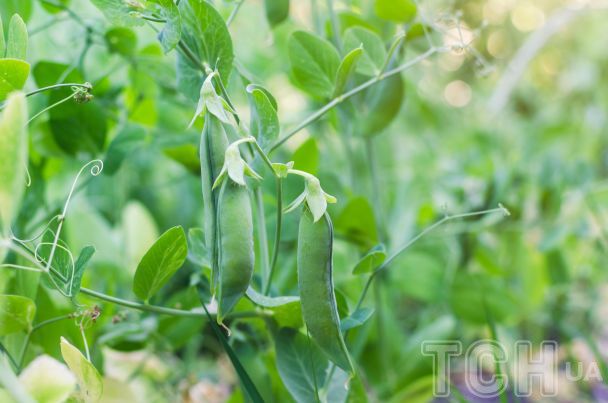
Peas / © Credits
Sweet young peas are perfect for summer salads and side dishes, but the plant itself dislikes the heat. Peas are better planted during the cool season. In hot weather, they can quickly go to what is called “shooting,” when the plant stops forming tender pods and starts actively flowering and producing seeds. As a result:
-
the fruiting cycle ends earlier
-
the peas become hard
-
the flavor loses its sweetness and tenderness
The optimal planting time is early spring or late summer for an autumn harvest, climate permitting.
Hydrangeas and Other Heat-Sensitive Shrubs
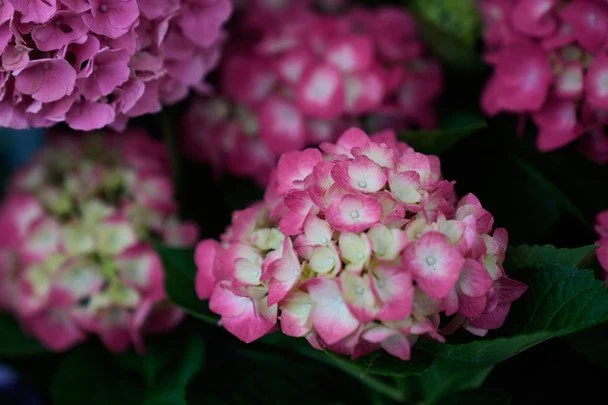
Hydrangeas / © Associated Press
Summer is associated with lush hydrangeas, but this does not mean they should be transplanted in the heat. Plants that tolerate summer planting poorly include:
-
hydrangeas
-
azaleas
-
rhododendrons
-
delicate Japanese maples
-
lilies of the valley
During periods of intense heat, transplanting can cause severe stress to the root system. If the roots dry out quickly, the plant weakens and may perish. Even sun-loving cultures can suffer during extreme heat. Signs of problems:
-
wilting leaves
-
leaf scorch
-
fewer flowers
-
slower growth
-
brown leaf edges
It is best to plant or transplant such plants in spring or autumn when cooler weather helps the roots establish before extreme temperatures.
How to Save Plants
Even experienced gardeners make mistakes sometimes. If cold-loving plants have already ended up in the summer garden, the main task is to help them retain moisture. It is worth:
-
watering deeply early in the morning
-
adding a layer of mulch around the plants
-
avoiding watering during the hottest part of the day
-
improving the soil’s water retention capacity
If the plants begin to wilt, they should be provided with temporary shade. For this purpose, you can use:
-
special shade netting
-
a garden umbrella
-
any other cover that will protect from the strongest afternoon sun
Adding compost or other soil improvers will also help, allowing the roots to retain moisture better and helping the plant survive heat stress.
Comments Sort: New Old Popular Send