
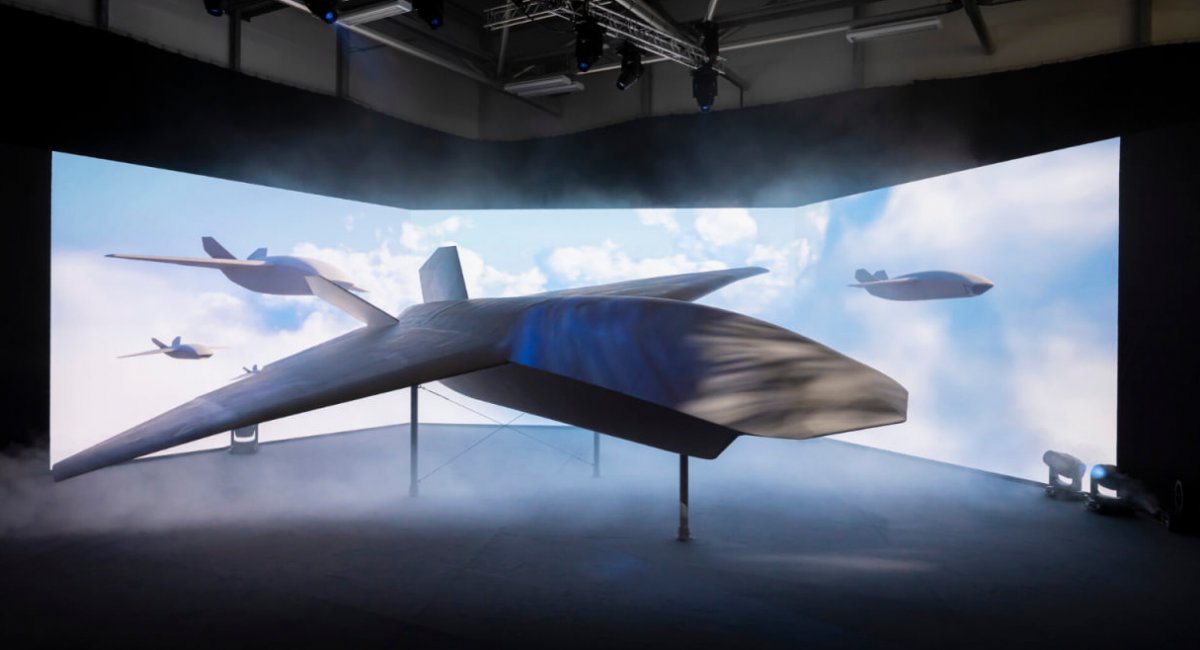
As the UK seeks a drone to operate alongside fighter jets, BAE Systems has proposed the fully domestic Brontanax drone
BAE Systems unveiled the first British unmanned fighter jet, the Brontanax, at the Farnborough International Airshow. It is designed according to the Collaborative Combat Aircraft (CCA) concept and is intended to work side-by-side with manned platforms as a partner or “loyal wingman.”
It is noted that the UAV prototype displayed is comparable in size to the Hawk jet trainer-fighter aircraft. The latter has a fuselage length of approximately 12 meters, a wingspan of nearly 10 meters, and an empty weight of 4,480 kg. The aircraft is currently undergoing ground tests, with the first flight scheduled after their completion.
The company strongly emphasizes that the drone prototype was manufactured in the United Kingdom with the involvement of over 75 local companies. The development is proceeding following the announcement of the Storm Fighter program, into which the country is investing £300 million, or approximately €351 million.
It is stated that the Brontanax can be remotely controlled by either the mission commander on the ground or the pilot of a Eurofighter Typhoon fighter jet. It will be capable of performing electronic warfare missions and high-precision strikes against ground and air targets.
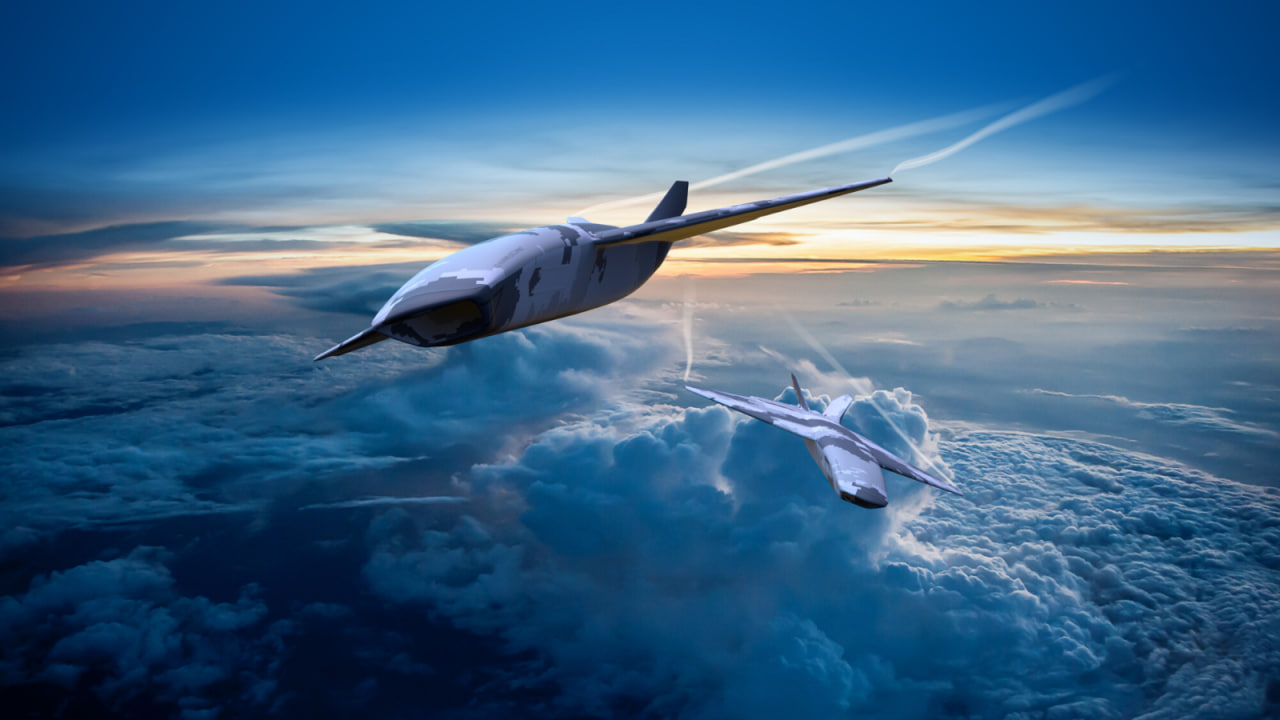
From Defense Express, we note that an increasing number of countries are seeking or developing unmanned fighter jets to complement their manned fleets. Although this is presented as a 6th generation capability, it is currently being adapted for current 4th and 5th generation platforms.
It should be mentioned here that BAE Systems with its Brontanax will be just one of the potential candidates for the Storm Fighter program. It is highly likely that it will have to compete with other existing market offerings.
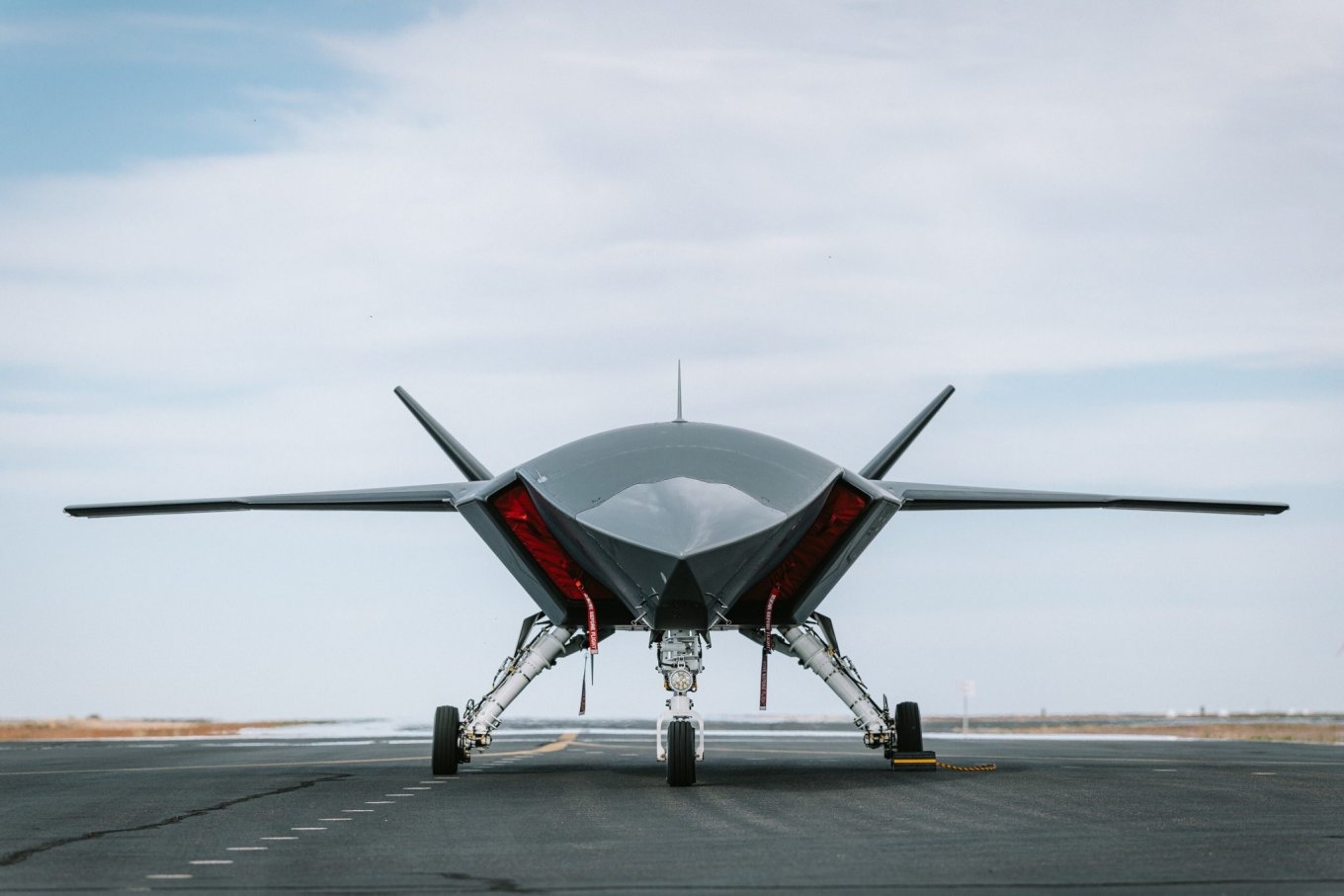
The YFQ-44A, XQ-58A Valkyrie, and MQ-28 Ghost Bat have already completed their first flights and have even fired weapons. The latter has already entered production for Australia’s needs, and all three candidates are currently seeking customers in Europe, such as Germany.
The competition is very intense, especially since the same Ghost Bat has already been promoted to the British with discussions about integrating European weaponry. However, it is too early to say who will emerge victorious.