
What stage has the Polish PLargonia project reached, why was the Hornet designation chosen, and what are the current plans for deploying unmanned systems in the Polish army?
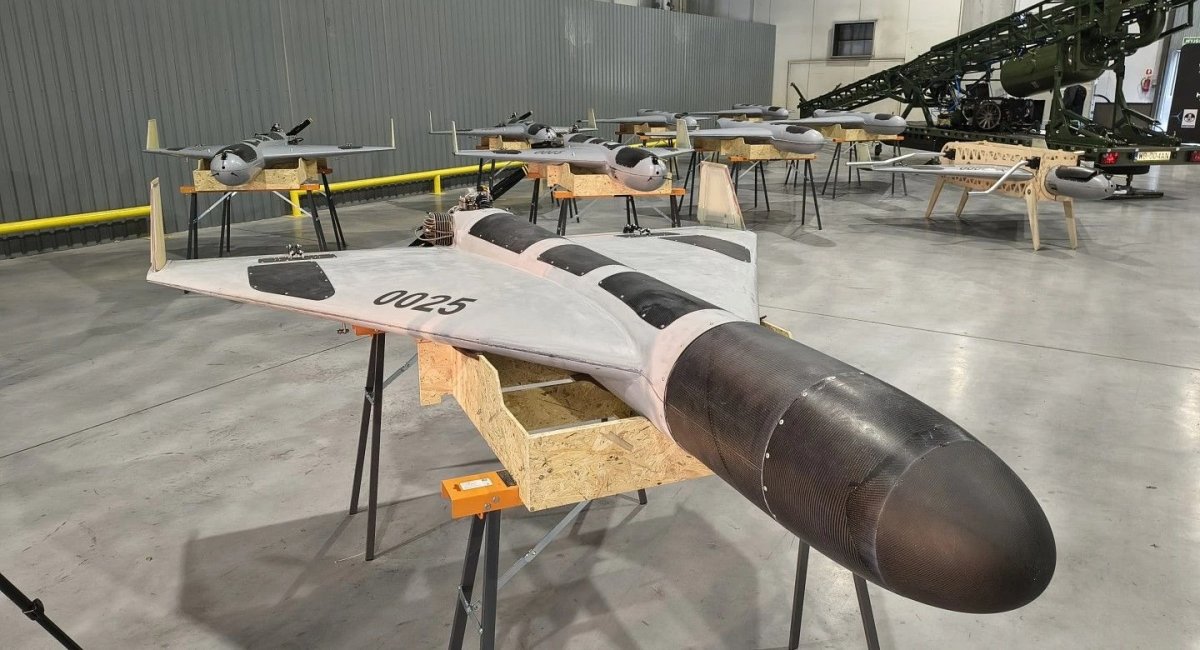
The Polish Army now officially possesses its own version of the “Shahed,” developed within the PLargonia framework, and this drone has been named Hornet. The strike variant currently boasts a flight range of up to 400 kilometers, with a more advanced version planned to reach 1000 kilometers, capable of striking Moscow from Polish territory.
The emergence of such a UAV aligns with the trend of increasing numbers of unmanned system units within the Polish military; there are currently 10 such units, and this number is expected to double in the coming months. This information comes from a publication by the Polish portal Defence24.
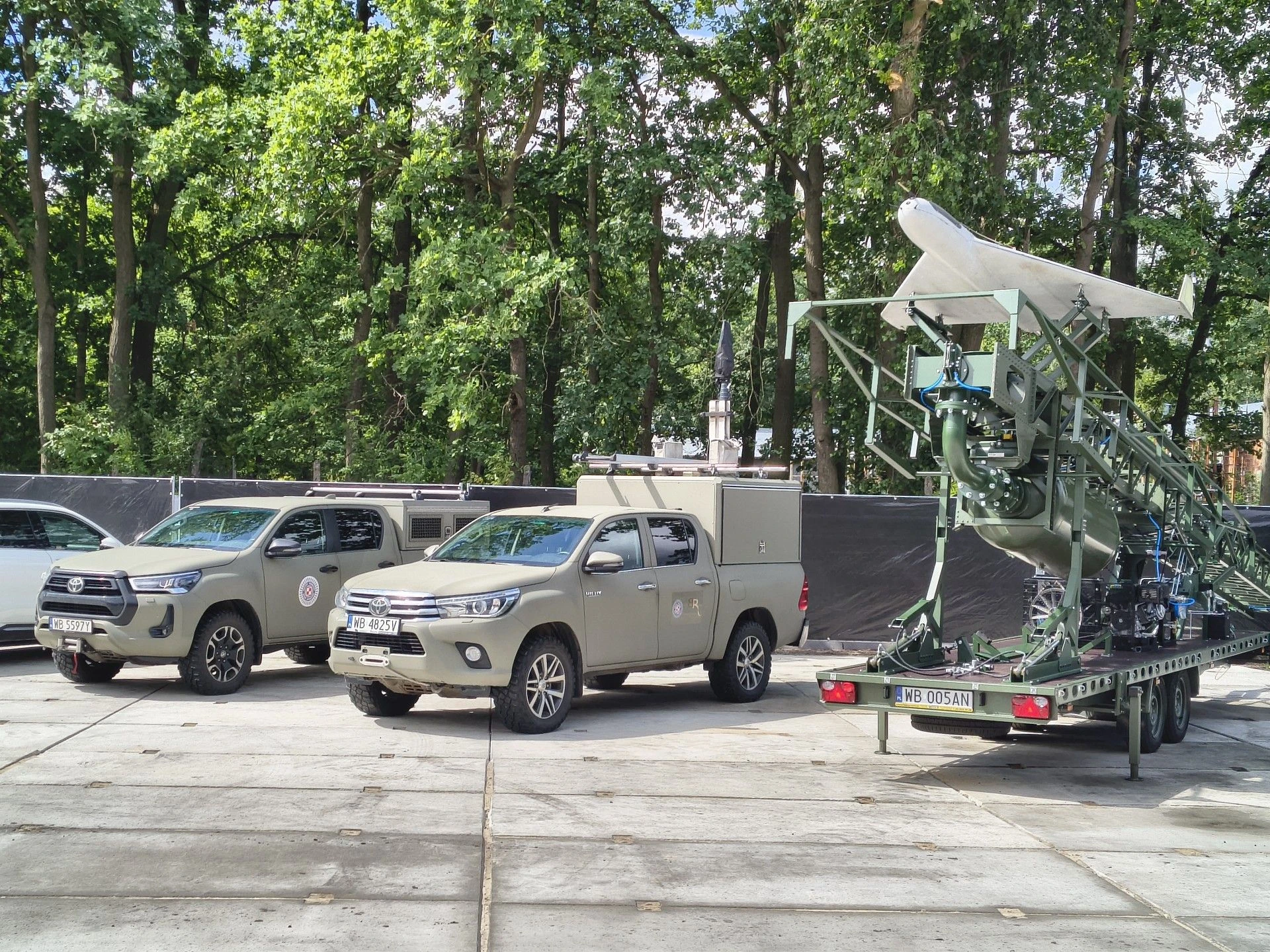
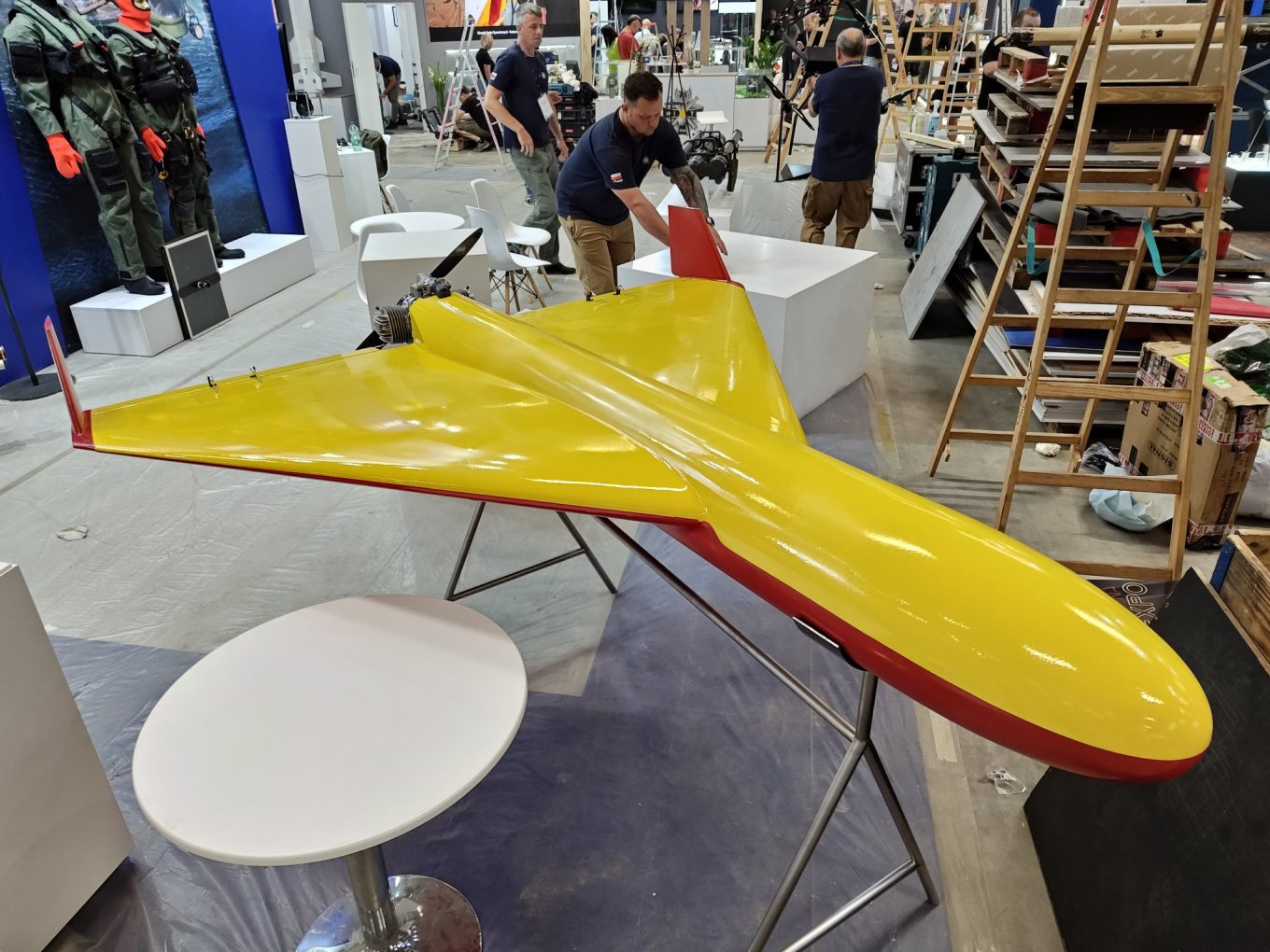
It is noted that the Polish Hornet is produced in two configurations. The first is a target drone designated Hornet PL-AT-1, and the second is an attack variant, Hornet PL-OWA (One Way Attack), equipped with a 15-20 kilogram warhead.
Both versions of the drone are powered by a 342i B4 TS engine, delivering 32 horsepower, enabling speeds of up to 185 km/h. The UAV has a takeoff weight of 85 kilograms, a fuselage length of 2.6 meters, and a wingspan of 2.2 meters.
A mobile ground launcher is used for deployment. It is particularly noteworthy that all intellectual property rights for the PLargonia project belong to the Polish Ministry of Defense, and the developments from this project are intended for use in designing other future unmanned systems for the Polish army.
Furthermore, the existing unmanned system units in the Polish Army are described by Defence24 authors as “laboratories.” This suggests a focus on experimental units tasked with developing their own doctrines and methodologies for “drone warfare” for the Polish armed forces.
In this account from Defense Express, we wish to highlight the following. The Poles themselves are essentially indicating that they are still in the process of developing solutions for how they will conduct their “drone warfare” should Russia initiate a “major war” in Europe.
It appears that the political and military leadership of Poland has made a decisive move to centralize all prospective unmanned system projects under the national Ministry of Defense and its subordinate research institutions.
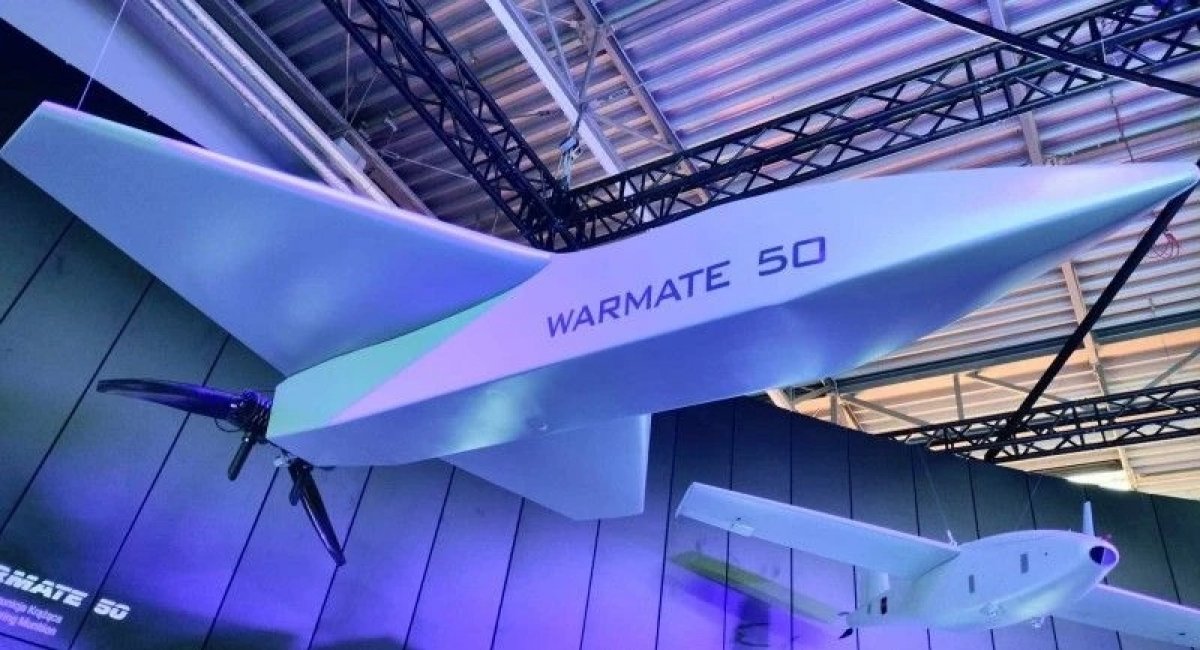
For instance, in September 2024, the Polish defense company WB GROUP showcased the Warmate 50 long-range kamikaze drone project, whose range would also have been sufficient for an attack on Moscow. However, there is currently no information available regarding the realization of this project.
Interestingly, in May 2026, the Polish General Staff inexplicably “forgot” the name of its own “Shahed,” referring to it as a copy of the American LUCAS. This could suggest that the Polish side may have received assistance from their American counterparts for the PLargonia project.
Ivan Kyrychevsky, serviceman of the 413th SBS Regiment “Reid,” expert at Defense Express