
From ancient times, people have noticed which trees destroy buildings, dry out the land, or create excessive shade, and gradually this knowledge transformed into folk omens that persist to this day.
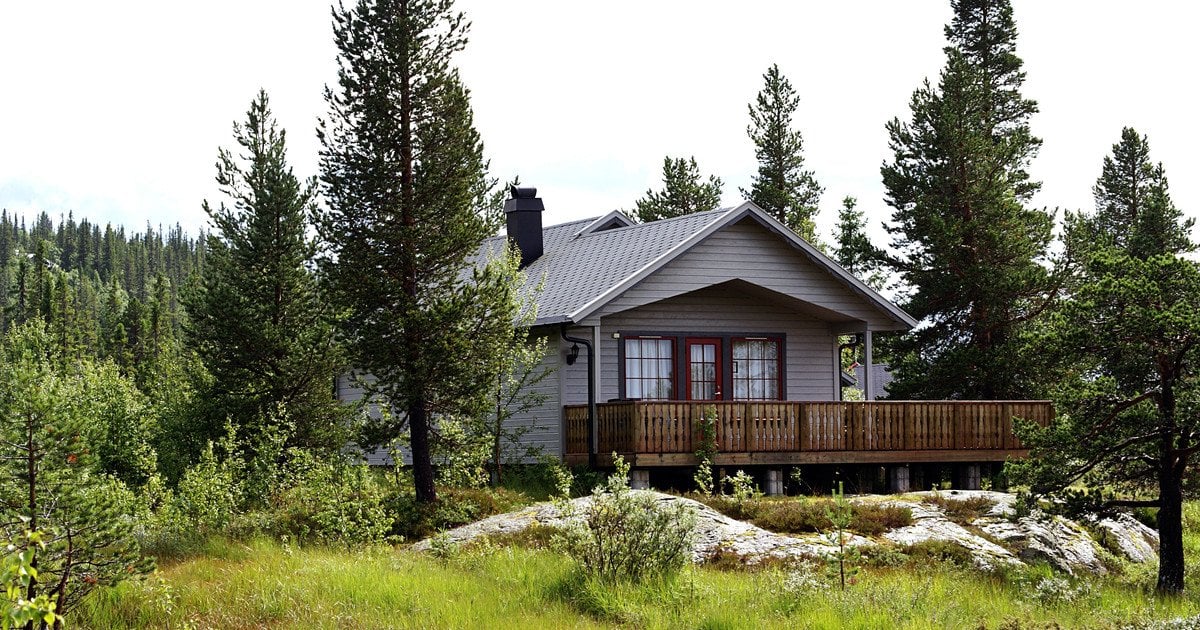
Which trees should not be planted near a house / © www.freepik.com/free-photo
Our ancestors paid great attention to the trees growing near their homes. It was believed that each plant has its own energy and can influence the family’s well-being, the health of the inhabitants, and even the atmosphere in the house. Some of these beliefs remain only as folk omens, but some warnings have a purely practical explanation. We tell you which trees Ukrainians tried not to plant near their homes and why they ended up on the list of undesirable plants.
Willow
Despite the willow being one of the symbols of Ukraine, people tried not to plant it near the house itself. It was believed that this tree accumulates sadness and can attract worries.
There is also a practical reason. Willow loves moisture, has a powerful root system that can damage foundations, paths, wells, and underground utilities. In addition, large trees create dense shade, which keeps the yard damp for longer.
Aspen
Aspen has had a mixed reputation for a long time. In folk tales, it was associated with restlessness, loneliness, and misfortune. Because of this, it was rarely planted near dwellings.
In addition to folk beliefs, aspen has quite brittle wood. During strong winds, old branches can easily break off, creating danger for people and buildings.
Poplar
Our ancestors avoided planting poplars next to their homes due to their rapid growth and large size. It was believed that the tree drains strength from the earth and takes away the household’s energy.
Modern specialists also do not recommend planting poplars near houses. Their roots can damage the foundation, and the fluff during flowering often causes discomfort to people with increased sensitivity to pollen and irritates the respiratory tract.
Spruce and Fir
Coniferous trees have always evoked a special attitude. Because spruce is used in funeral rites, it was associated with sadness and remembrance of the deceased. That is why it was rarely planted near residential buildings.
However, from a practical point of view, the problem is not with the omens. Large coniferous trees heavily shade the area, deplete the soil, and can hinder the development of other plants.
Walnut
Walnut was valued for its tasty fruits, but it was usually planted as far away from the house as possible. There are several reasons for this:
-
a powerful root system can damage the foundation and garden paths;
-
a wide crown creates dense shade;
-
leaves and roots release a natural substance—juglone, which inhibits the growth of many vegetables, flowers, and fruit crops.
This is why experienced gardeners still recommend leaving enough distance between walnut trees and other plants today.
Comments Sort: New Old Popular Send