
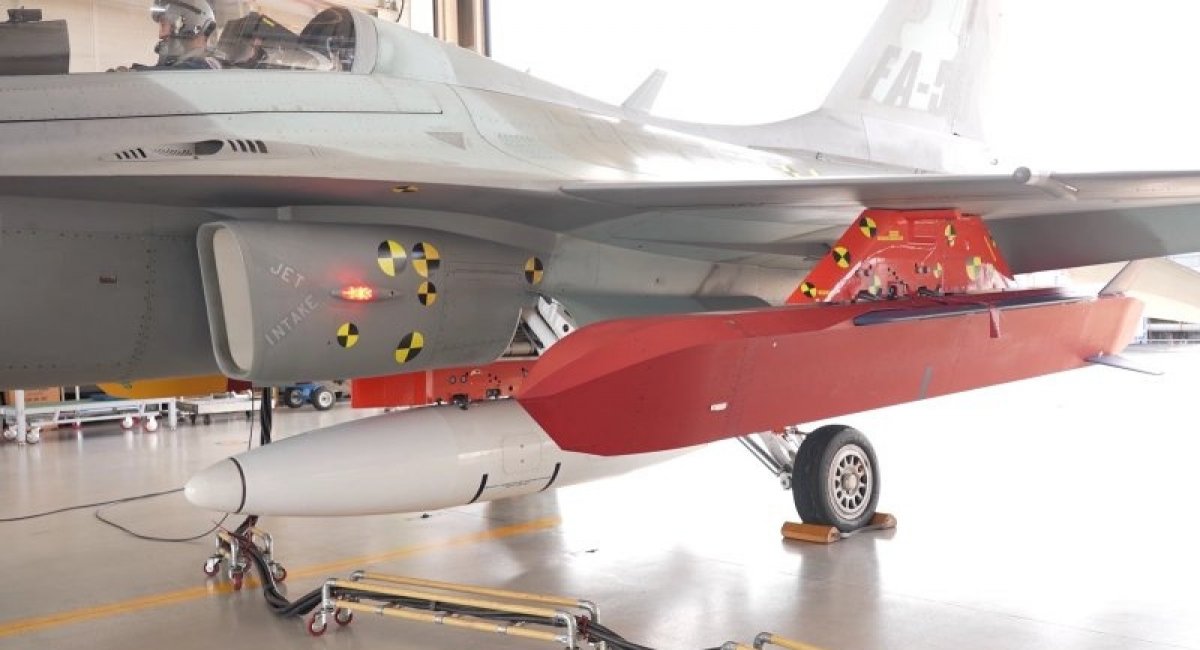
South Korea requires a supplement to its existing German Taurus cruise missiles, and has now managed to demonstrate the capability of launching its own analogue – the Cheonryong.
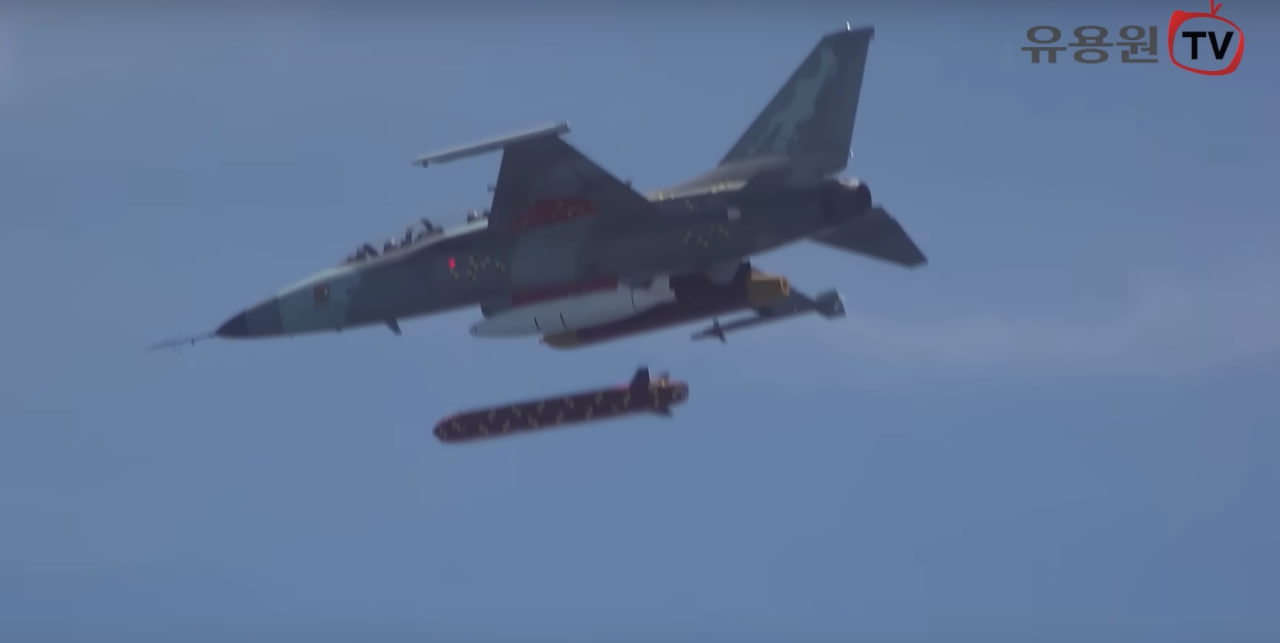
South Korea has completed the technical flight tests of the Cheonryong cruise missile, or KALCM, also referred to as the South Korean Taurus, designed to neutralize North Korean leaders in bunkers. On June 25, 2026, it successfully demonstrated its launch from an FA-50 aircraft and subsequent flight.
As reported by Naver, such tests were previously conducted in January and March 2026 but were unsuccessful. Immediately after separation from the carrier, the missile’s engine failed to ignite properly, leading to its deactivation and the missile’s fall into the sea.
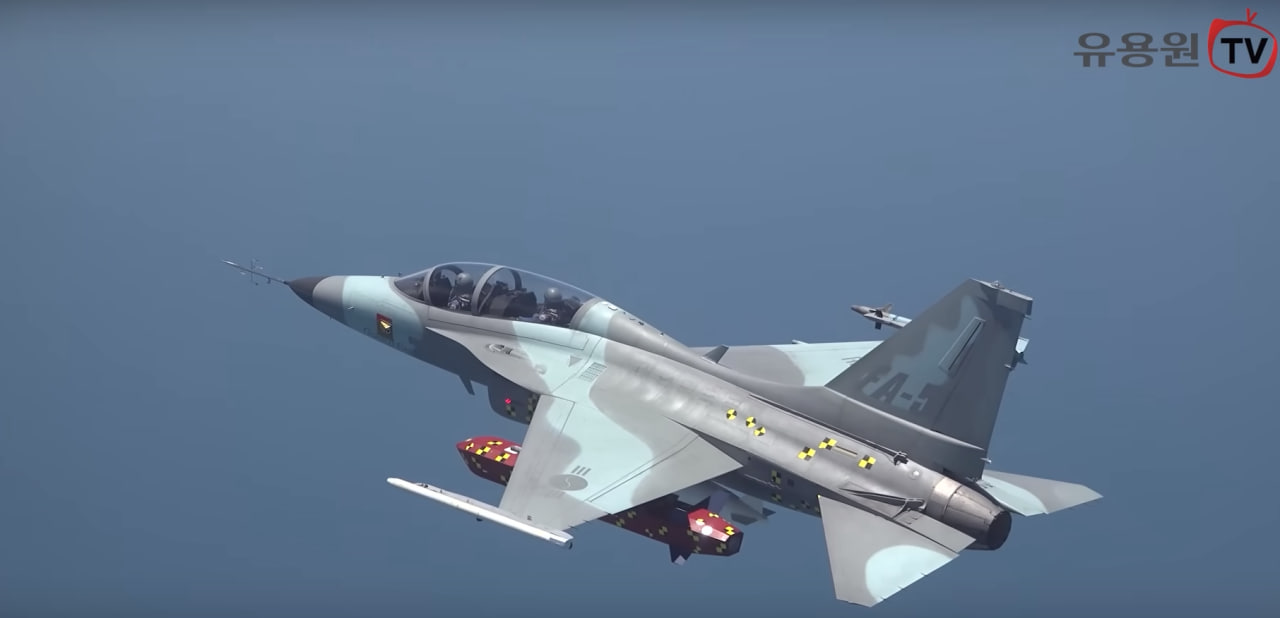
However, in June 2026, the technical flight tests of the Cheonryong were successfully concluded. According to current plans, the development of the domestic Taurus analogue is expected to be finalized in 2028, with mass production commencing in 2029 and deployment to the armed forces in the early 2030s.
It is noted that the KALCM is being developed to equip the South Korean Air Force with an arsenal of up to 600 long-range cruise missiles. This indigenous weapon will complement the 260 German Taurus missiles in service. It is worth recalling that Germany has not supplied the latter to Ukraine, with the reasons remaining undisclosed.
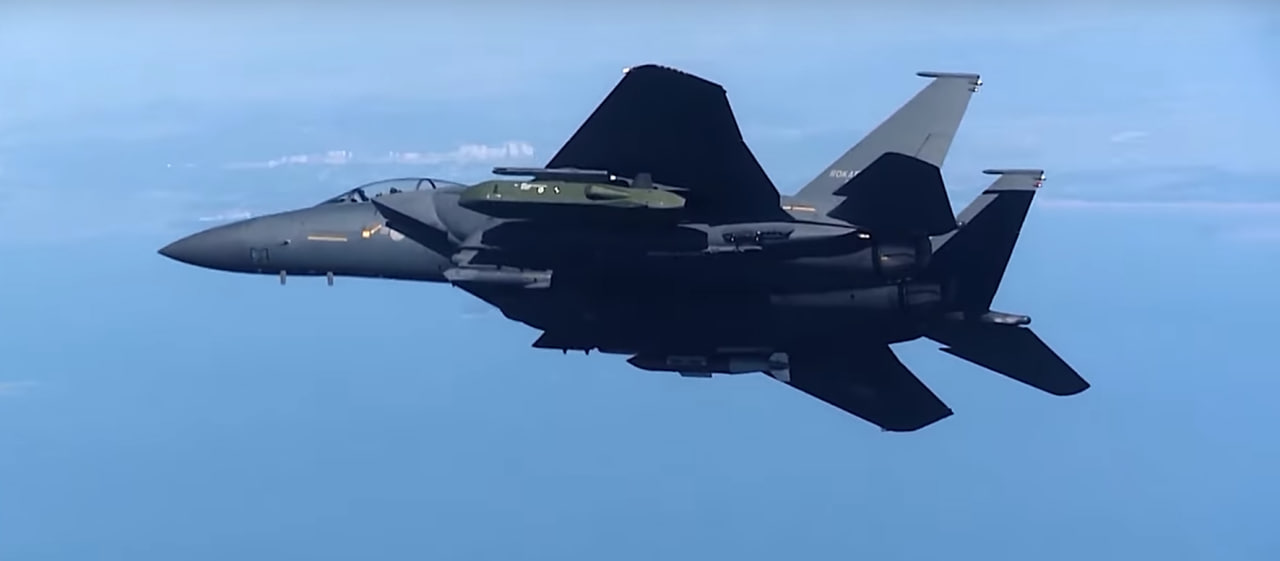
From Defense Express, we would like to point out that unsuccessful tests are common, especially for entirely new products. They are conducted precisely to identify potential issues and to work on rectifying shortcomings.
It is significant that just 3 months after the setback, technical flight tests were successfully completed, indicating that the problems were resolved. The cruise missile has now confirmed its air-launch capability, albeit from the light combat aircraft FA-50 for now. We reported on the commencement of flight tests with this platform about a year ago – in June 2025.
It is known that the Cheonryong’s range will exceed 500 km. However, to achieve this range, the launch must be conducted from the new South Korean KF-21 fighter jet, which has already begun serial delivery to the local Air Force.
According to currently available information, the integration of the KALCM onto its final platform is scheduled for 2027. Concurrently, in addition to bolstering South Korea’s capabilities, the missile is expected to enhance the attractiveness of the new aircraft on the international market by providing long-range strike capabilities with a bunker-busting warhead and minimal deviation.