
For the American military, testing autonomous and swarm technologies is not a new concept, but it is gaining greater relevance considering the lessons learned from the war in Ukraine.
The US Army, during the Ivy Mass exercises held in May this year, tested how a single operator could simultaneously manage a mixed swarm of drones of various types. This technology demonstration was conducted by Palladyne AI, utilizing their SwarmOS software responsible for the autonomous control of unmanned aerial vehicles.
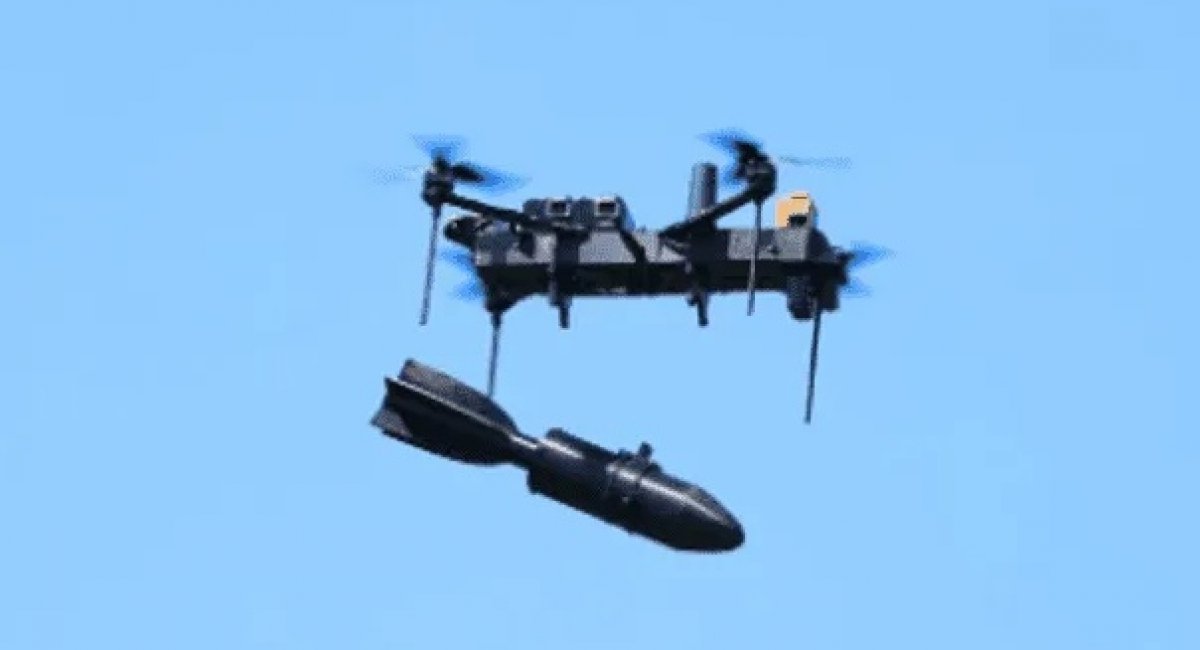
As reported by Military AI, a variety of drones were integrated into a single swarm, including reconnaissance drones and Gremlin-X mini-bombers. All of these were connected to the next-generation command and control system, NGC2, enabling real-time data exchange across the entire command network. Artificial intelligence systems were largely responsible for coordinating actions.
Furthermore, as emphasized by Palladyne AI, the SwarmOS software was integrated into equipment with limited size, weight, and power consumption.
Technical Director and Co-founder of the company, Denis Gagarich, highlighted that it was during this demonstration that they managed to overcome a “fundamental technical threshold” regarding autonomous control.
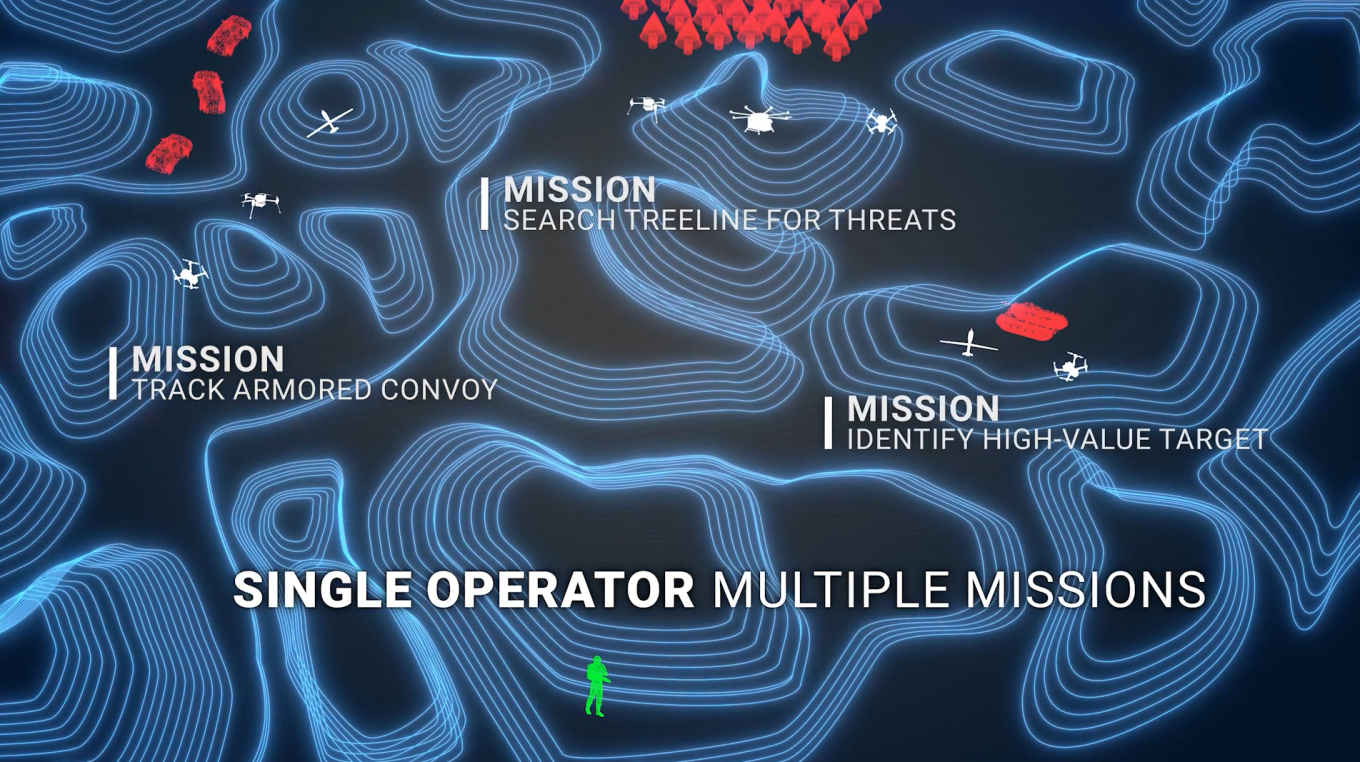
From the perspective of Defense Express, it can be noted that in the context of the modern dynamic battlefield, such technologies are crucial for minimizing the time between target detection and engagement. This applies not only to the assets within a specific swarm but also to the capability of relaying information to other units if necessary, for example, if more powerful means are required for target destruction.
Regarding the Gremlin-X drones used in the swarm during the exercises, these are essentially small FPV (first-person view) bomber drones with an attached munition.
This is also a product of Palladyne AI, which is reportedly under development. It is equipped with an AI system, can operate in conditions without GPS signals, and importantly, is noted for its ability to perform high-precision strikes at low cost. It is worth recalling that such bomber drones have been and continue to be actively used in various configurations, primarily by the Ukrainian Defense Forces in the war against Russia.
In conclusion, it should be noted that swarm technologies are not new to the United States. A range of different solutions are currently being developed, including in collaboration with European companies, and not only involving drones but also potentially inexpensive cruise missiles, such as the Ruta by Dutch company Destinus, which will be controlled by the Hivemind AI from American company Shield AI.