
The majority of people tend to believe that cold automatically extends the shelf life of any product. However, each vegetable, fruit, or food item has its own specific storage requirements. For some of these, low temperatures can be a genuine detriment.
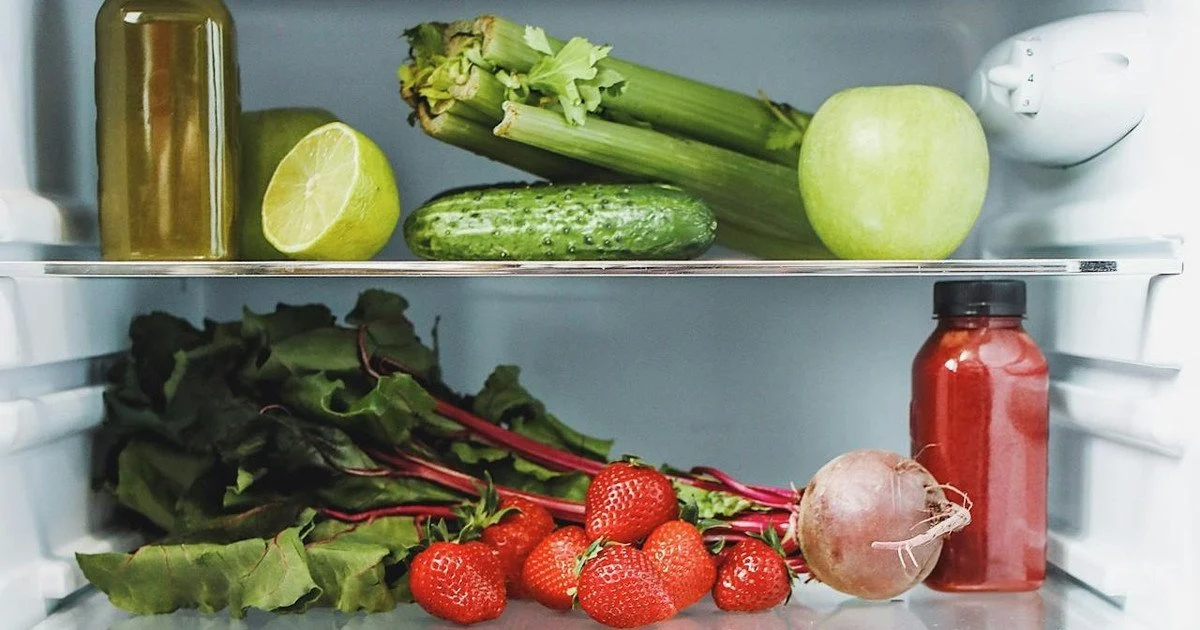
Which products should not be refrigerated / © pexels.com
Many individuals automatically place nearly all food items in the refrigerator, assuming this will keep them fresher for longer. In reality, certain foods are only spoiled by low temperatures: they lose their flavor, aroma, beneficial properties, and become unsuitable for consumption significantly faster. We will discuss which products are best kept away from the refrigerator.
Potatoes
This is one of the most common misconceptions. In the cold, the starch in potatoes begins to convert into sugar, causing the tubers to develop an unpleasant sweetish taste and alter their texture.
The ideal place to store potatoes is a dark, dry, and cool pantry with a temperature between +7 and +12 degrees Celsius. Under these conditions, they can be preserved for several months without compromising quality.
Tomatoes
The refrigerator essentially ruins the taste of tomatoes. Low temperatures damage the fruit’s cells, making it watery, mushy, and almost devoid of aroma.
This is particularly true for ripe, in-season tomatoes. It is best to store them at room temperature in a basket or on a kitchen shelf, away from direct sunlight.
Onions
In a refrigerator, onions quickly absorb moisture, become soft, start to sprout, and develop mold.
For long-term storage, a well-ventilated area with low humidity is suitable. It is also important not to store onions near potatoes, as both vegetables release substances that accelerate each other’s spoilage.
Garlic
After a few weeks in the refrigerator, garlic heads lose their firmness, begin to sprout, and gradually lose their characteristic aroma.
It is best stored in a paper bag, basket, or cloth pouch in a dry place with good air circulation.
Honey
Some homemakers put honey in the refrigerator, fearing it will spoil. In reality, natural honey can be stored for years even at room temperature.
In the cold, it rapidly crystallizes, thickens, and loses its convenient consistency for use. The optimal location is a kitchen cupboard, shielded from the sun.
Bananas
Once placed in the refrigerator, banana peels quickly turn black, and the ripening process is disrupted. Although the flesh may remain edible, the appearance and taste are significantly diminished.
If bananas are still somewhat green, the cold can completely halt their ripening. It is best to keep them at room temperature.
Bread
Many are convinced that the refrigerator protects bread from spoiling. In reality, the opposite is true—low temperatures accelerate its staleness.
Bread loses moisture more quickly, becoming dry and less palatable. For short-term storage, a bread box or paper bag is sufficient. If it needs to be preserved for an extended period, freezing is the better option.
Coffee
Ground and whole bean coffee absorb external odors very quickly. In the refrigerator, it can pick up the aromas of sausage, fish, cheese, or other products.
Furthermore, temperature fluctuations negatively impact the flavor profile of coffee beans. It is best to store coffee in an airtight, opaque container in a dry location.
Olive Oil
In the refrigerator, olive oil can become cloudy, thicken, and form sediment. While this does not make it unsafe, it becomes less convenient to use.
For storage, a dark cupboard away from the stove and heat sources is adequate.
Basil and Fresh Herbs
Basil is particularly sensitive to cold. In the refrigerator, its leaves quickly darken, wilt, and lose their fragrance.
To keep herbs fresh longer, they can be placed in a glass of water, like a bouquet of flowers, or wrapped in a slightly damp paper towel.
Comments Sort: New Old Popular Send