
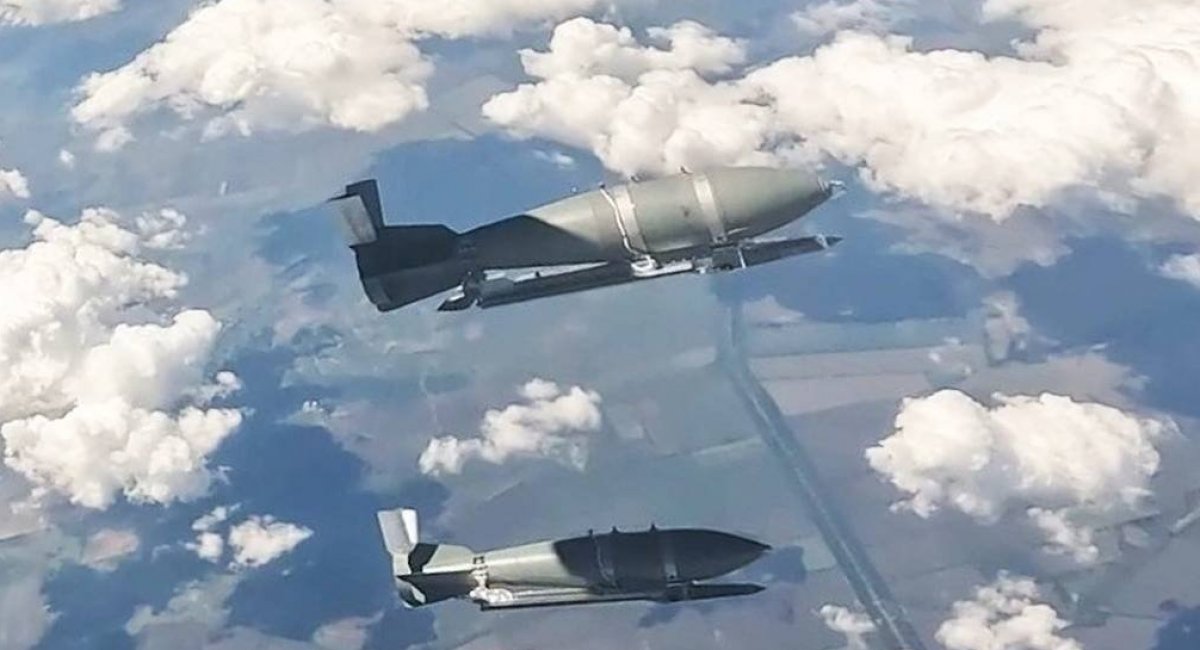
German Rheinmetall and South Korean LIG D&A propose a special missile to intercept glide bombs, having partnered to develop air defense systems
German Rheinmetall and South Korean LIG Defense & Aerospace (D&A) are set to develop a new anti-aircraft missile with extended range. In addition to conventional targets like aircraft and helicopters, it will be designed to intercept glide bombs, or KABs.
As reported by hartpunkt, a representative from LIG stated at the Eurosatory 2026 arms exhibition in Paris that the new missile has been designated C-PGM/ESHORAD. Its range will be 20 km, and the maximum operational altitude is claimed to be approximately 6-7 km, although it’s noted that actual engagement will likely occur at lower altitudes.
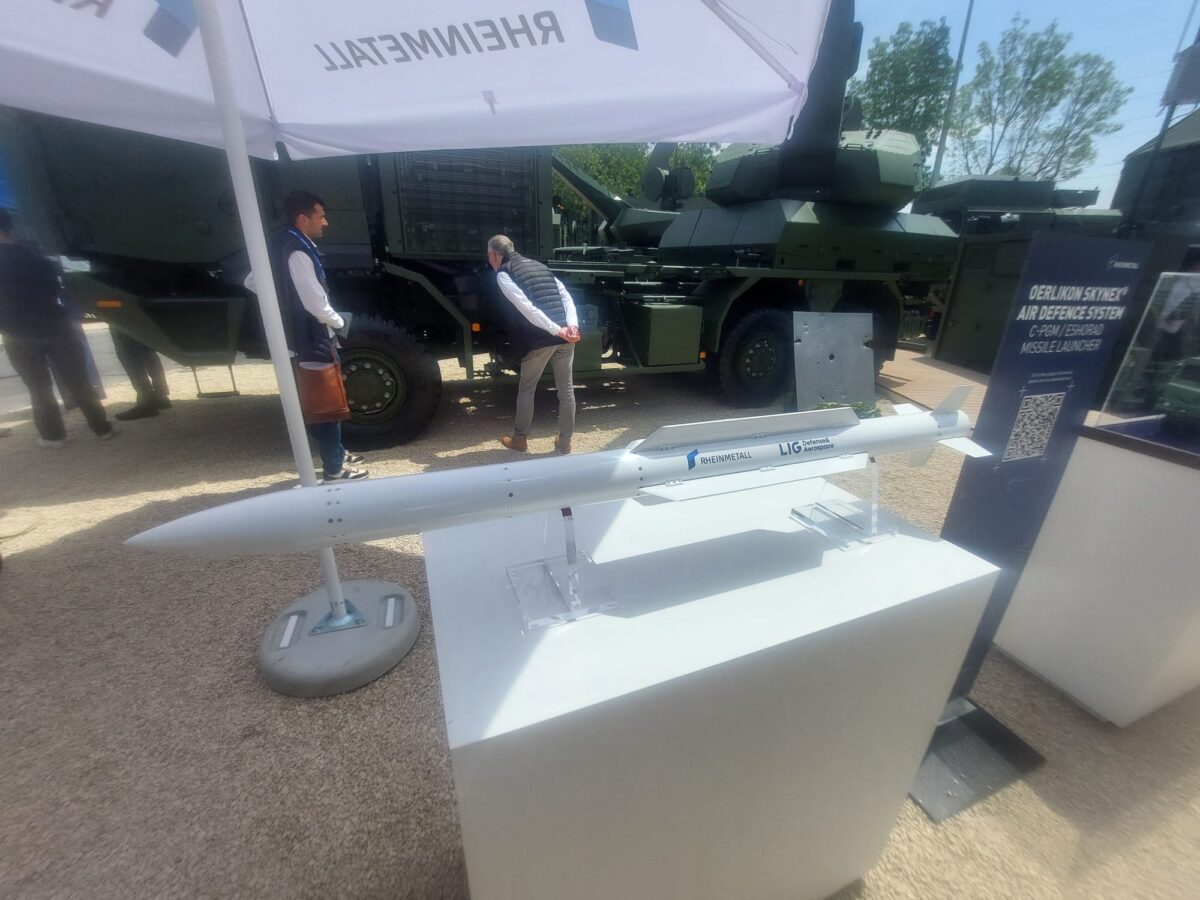
The type of seeker to be employed has not yet been decided, but it is quite possible that a radar seeker will be used. Development is planned to be fully completed within three years, ideally within two years, meaning readiness by 2028-2029.
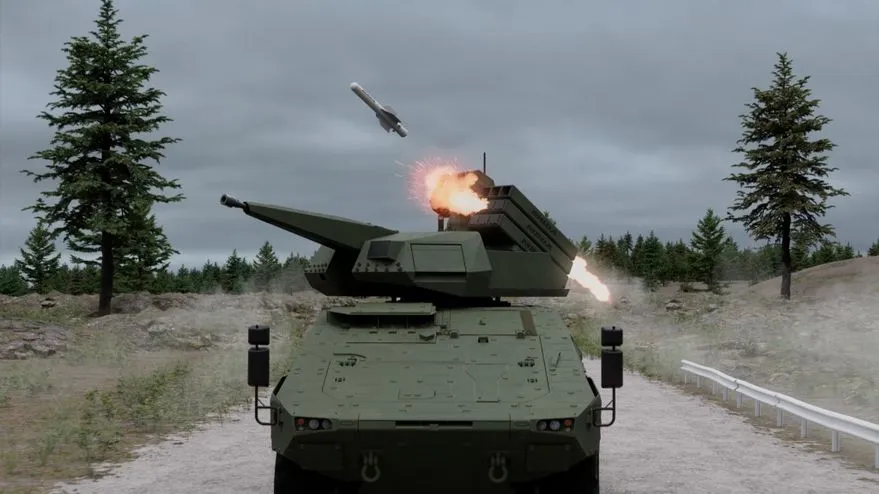
Also showcased at the exhibition was a launcher for this missile, mounted on a truck and featuring 16 launch cells. Integration into the Skynex air defense system, which is currently equipped only with cannons, is planned.
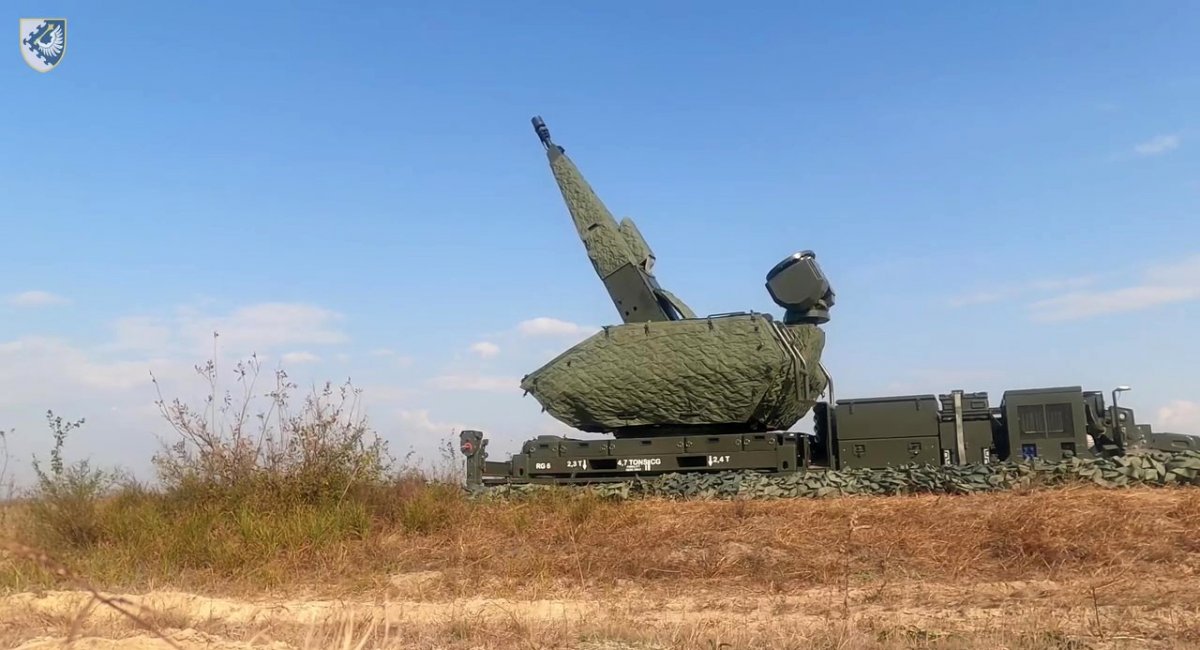
From Defense Express, we note that conceptually, this sounds quite promising for Ukraine, considering the significant challenge posed by the widespread use of Russian KABs. Furthermore, the Air Force already utilizes Skynex anti-aircraft systems, making integration less complex.
On the other hand, it is highly unlikely that such an air defense system could be deployed directly on the front lines. However, it could still be used to protect crucial near-front objects and civilian populations.
Additionally, there are questions regarding the cost of such missiles and production rates, the insufficiency of which could limit the system’s usefulness. And the expected readiness by 2028-2029 is still quite far off, on par with MBDA’s DEFENDAIR missile, which will be integrated into the Skyranger 30 for Germany.
Finally, the most significant argument against supplying Ukraine is the involvement of a South Korean company in the project. This country has previously prohibited the sale of KM-SAM II air defense systems to Ukraine, making it quite probable that a similar joint project might also not receive approval.
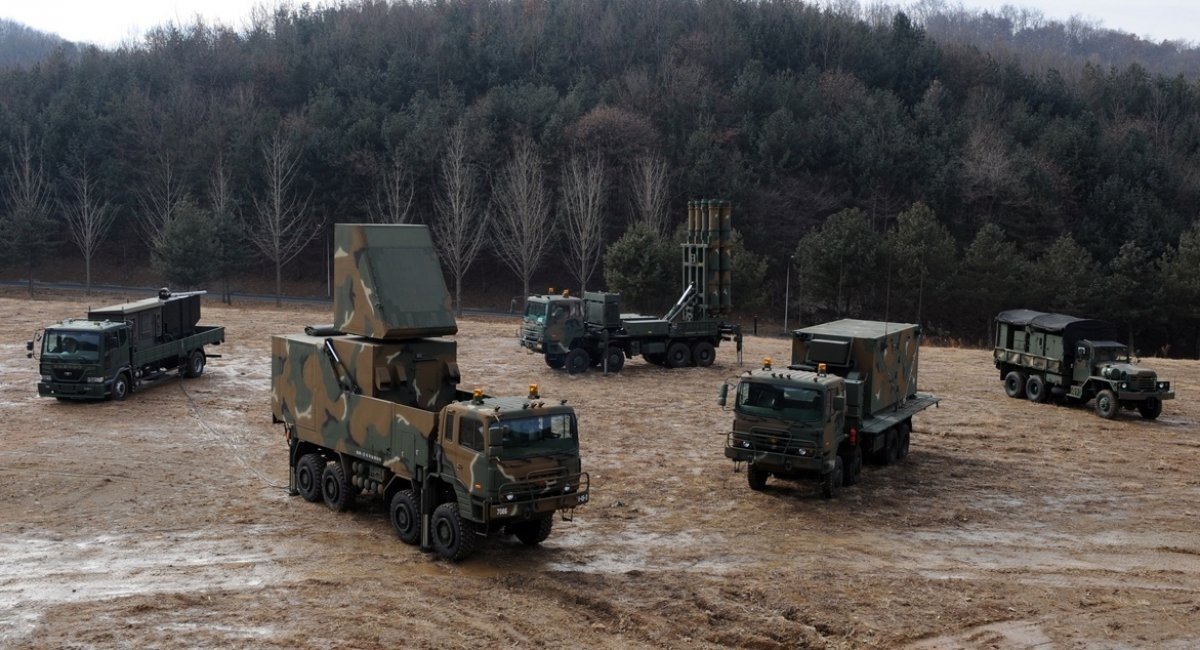
Overall, the entire development will be conducted within the framework of Rheinmetall and LIG Defense & Aerospace’s cooperation in advancing air defense systems, which includes the establishment of a joint venture. In addition to working on new capabilities, there are plans to localize existing South Korean anti-aircraft missiles.
It is worth recalling that at Eurosatory 2026, Ukraine also presented its own indigenous glide bomb, the so-called KAB, “Vyrivnyuvach” (Leveler). It is already in serial production and has been used in combat.