
Spanish EM&E Delivers Over 10,000 Kits for Precision Guidance of Unguided Rockets for “Grad” MLRS, Including an EW-Resistant Variant
Ukraine is receiving kits from the Spanish company EM&E to convert 122mm rockets for the BM-21 “Grad” MLRS from unguided to precision-guided munitions, utilizing satellite and inertial guidance. Over 10,000 such systems have been delivered since 2023.
Company representatives disclosed this information to observer Jeff21461 at the Eurosatory 2026 arms exhibition. According to them, munitions equipped with GNSS/INS guidance exhibit a circular error probable (CEP) of 15 meters, a significant improvement over standard unguided rockets.
Additionally, a laser-guided variant was developed at Ukraine’s request. This version maintains a CEP of less than 3 meters, even under conditions of electronic warfare (EW) jamming and suppression. As of the first quarter of 2026, 1,000 kits of this modification have been delivered.
Both versions are universal, are ITAR-free (not dependent on the USA), can be launched from single tubes, and possess a range of 20 to 40 km depending on the base rocket. The laser-guided version is slightly longer than the GNSS/INS variant and features four independently controlled foreplanes instead of two.
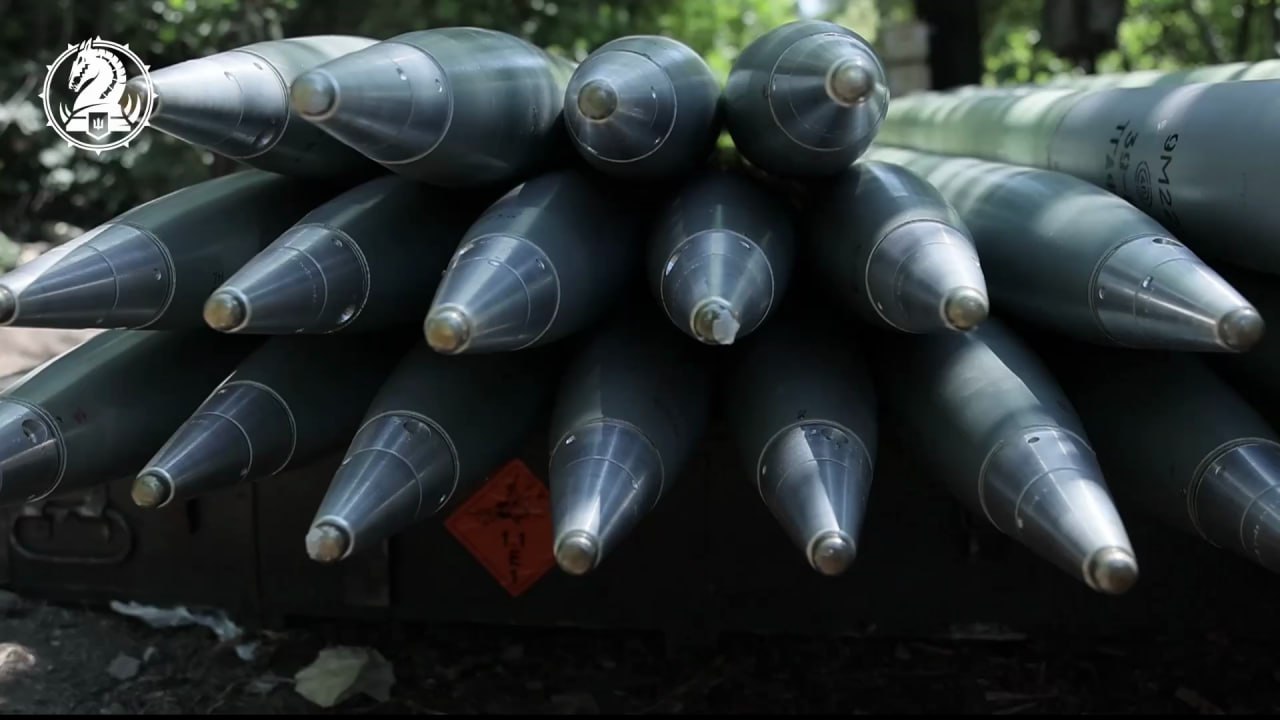
From Defense Express, we note that since 2023, Ukraine’s Defense Forces have gained the capability for precision targeting with the “Grad” MLRS and similar 122mm rocket artillery systems. In practice, virtually any compatible ammunition can be utilized, thereby avoiding dependence on a single supplier.
This is particularly advantageous for rockets with ranges between 20 and 40 km, as dispersion naturally increases with firing distance. Therefore, even with a 15-meter CEP, this represents a considerable enhancement.
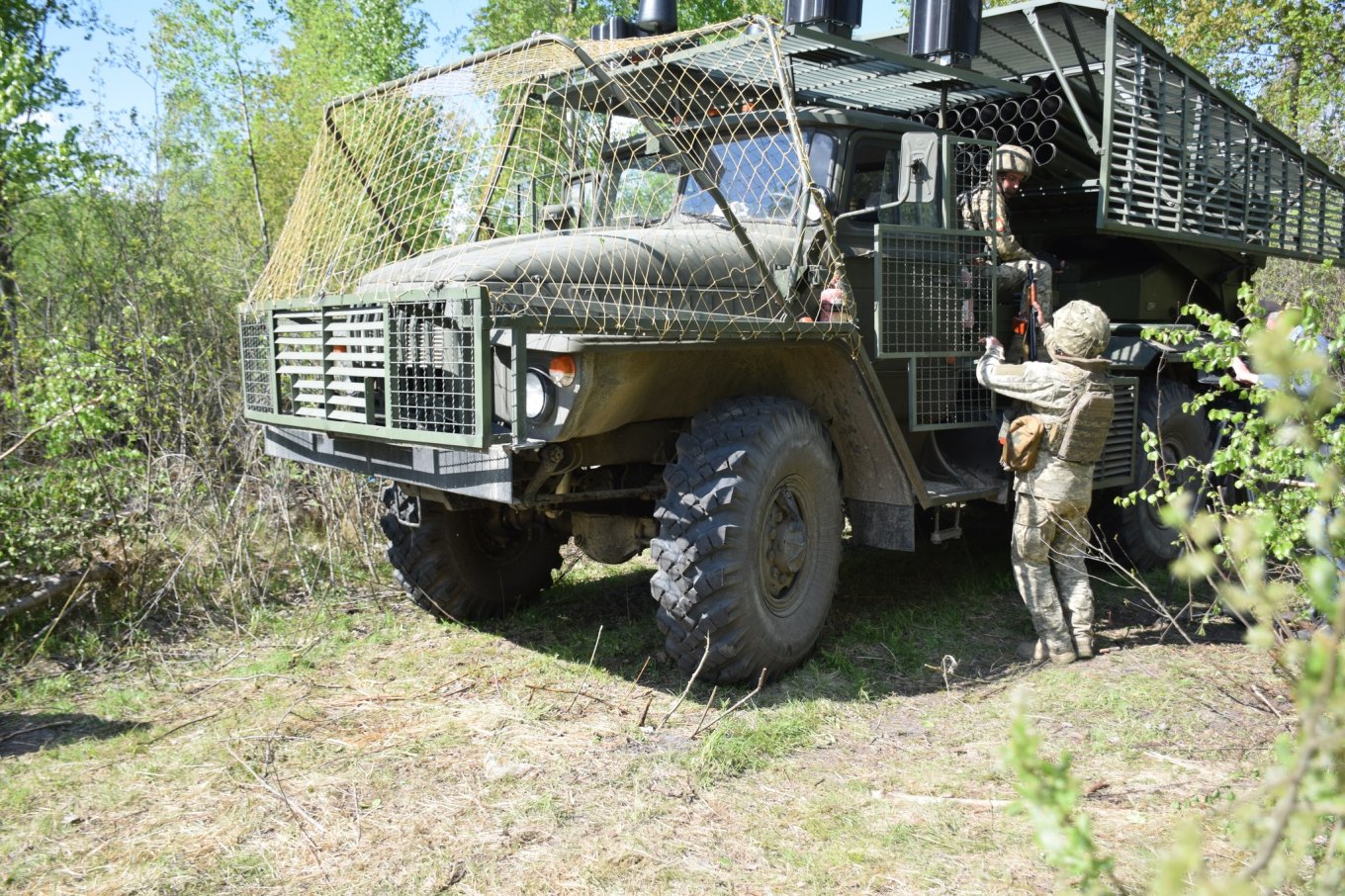
Despite their age and relatively limited firing range, “Grad” systems remain in service with a large number of countries worldwide due to their mass production, low cost, and simplicity. This includes both Russia and Ukraine’s Defense Forces, where they are actively being upgraded with anti-drone defenses and even new chassis.
Regarding EM&E’s production capacity, the delivery of 11,000 kits in both variants over three years suggests an approximate annual output of 3,700 units. This capacity may be scaled up if customer demand proves sufficient.