
Cats can be attached to people, but they don’t always perceive human expressions of love the way an owner expects.
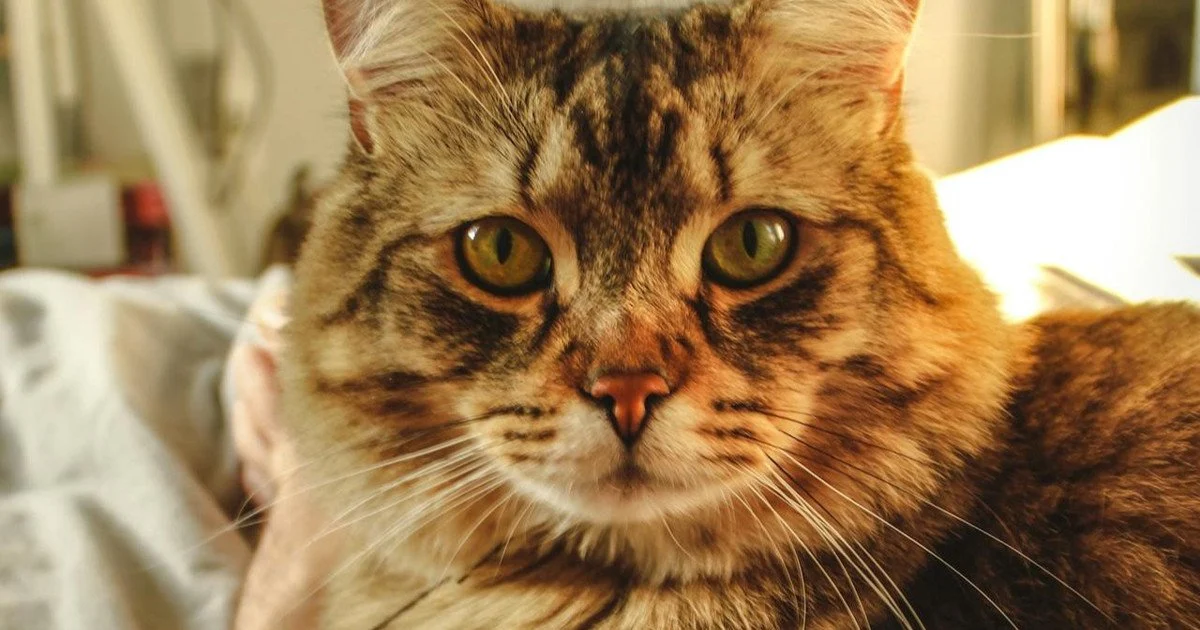
Кіт / © pexels.com
Many cat owners are convinced that they understand their pets well. However, a sudden bite, a swat, or running under the sofa often indicates not a “bad character” of the animal, but a reaction to human behavior.
Cat expert and founder of Cat in the Box, Dawn LaFontaine, explained to Newsweek that people often mistakenly expect cats to be as social as dogs or other humans.
In reality, cats can be very affectionate, but they generally prefer calm, predictable interactions and want to control the contact themselves.
Imposing Communication
One of the most common mistakes is constantly picking up the cat first, petting it, or demanding attention. While this may be a sign of love for a person, such behavior often appears as pressure to the animal.
Cats generally respond better when given space. If the animal approaches you on its own, comes out from under the sofa, or sits next to you, it can be seen as an invitation to interact. But even then, you shouldn’t immediately grab it or pet it too vigorously.
Staring Too Intently
For humans, eye contact often signifies attention, but in cat behavior, a long, direct gaze can be perceived as a threat or a challenge.
LaFontaine advises looking at the cat unobtrusively and briefly. It’s better to use slow blinks – for cats, this is often a signal of calm and trust. If a person blinks back similarly, the animal may feel safer.
Excessive Petting
Cats may enjoy being touched, but they have their own limits. Just because it seems to a person that the animal likes being petted doesn’t mean it’s willing to tolerate it for long.
The safest areas for touch are the head, nape, chin, and cheeks. At the same time, it’s important to watch for signs of discomfort: tail twitching, body tension, ear turning, or attempts to move away. If such signs appear, it’s best to cease contact before the cat resorts to biting or swatting.
Raising Your Voice
Even if a person doesn’t consider their voice to be shouting, a cat might perceive it that way. Cats have very sensitive hearing, so sharp sounds, loud remarks, or an emotional tone can cause stress.
Calm and consistent communication usually works better. Cats don’t always understand exactly what they are being yelled at for, but they remember well that being near a person can be dangerous or unpleasant.
Punishment for Undesirable Behavior
Shouting, spraying with water, or physical punishment may temporarily stop undesirable behavior but doesn’t solve the problem. On the contrary, such methods often increase anxiety and destroy trust between the cat and the owner.
According to LaFontaine, cats don’t perceive punishment as “training.” They are more likely to learn that people cannot be trusted.
Most conflicts arise not from a cat’s stubbornness or malice, but from different ways of communicating. To improve your relationship with your pet, it’s worth paying closer attention to its signals, not imposing contact, and respecting the animal’s boundaries.
Recall that cats perceive the world differently from humans. Due to dichromatic vision, they see mainly shades of gray, blue, and yellow, but they navigate excellently in the dark and notice the slightest movements.
Experts note that for cats, a person’s voice, smell, and behavior are more important than their appearance. Scientists also emphasize that interacting with cats helps reduce stress and positively affects human health.
Comments Sort: New Old Popular Send