
The ideal tomato season begins not only with sun, water, and the right variety. What grows nearby can either boost the harvest or subtly “slow it down.”
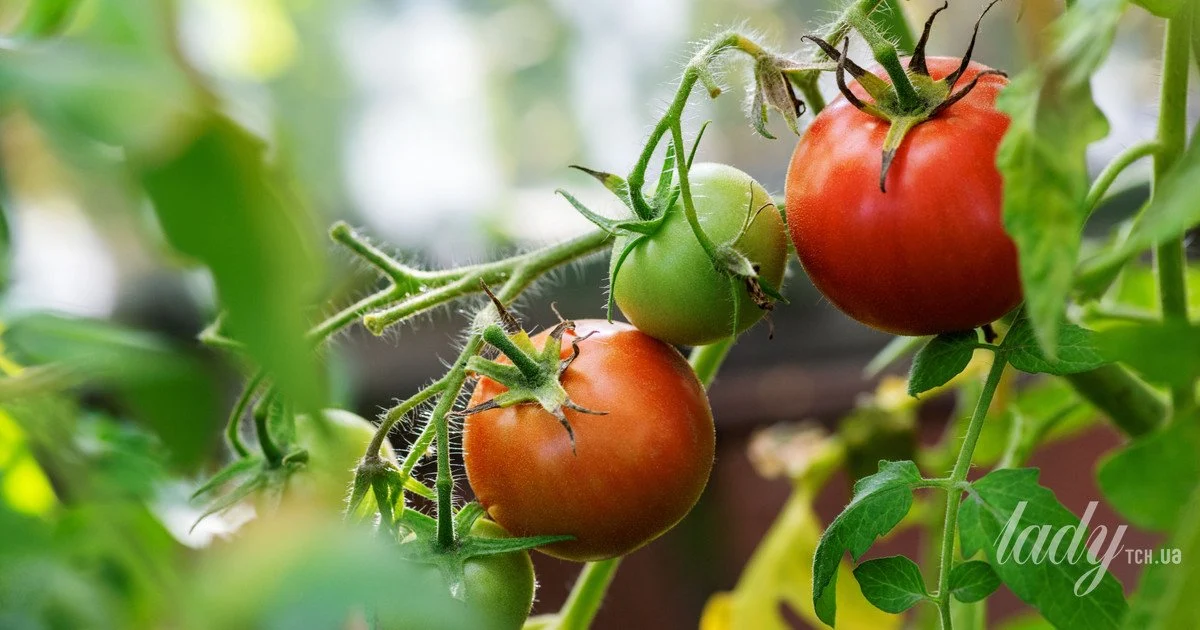
10 plants that cannot be planted next to tomatoes / © Credits
Tomatoes are one of the most beloved home gardening crops. They seem undemanding, but in reality, they are very sensitive to “neighbors” in the garden bed. The publication Martha Stewart reported that some plants can inhibit tomato growth by releasing natural substances into the soil, while others deplete nutrients, cast shade, or become a source of common pests and diseases. As a result, even strong seedlings can yield a weaker harvest if the “wrong” cultures are nearby.
-
Fennel releases substances into the soil that inhibit the growth of other plants. For tomatoes, this means direct retardation of root system development and reduced yield.
-
Cabbage. Cruciferous crops actively compete with tomatoes for nutrients. In addition, their sprawling leaves can physically “press” on the space and hinder normal growth.
-
Beans (climbing). Despite their popularity in mixed planting, climbing beans can overgrow, create shade, and take water and minerals from tomatoes.
-
Dill. Although many herbs are good neighbors for tomatoes, dill is an exception. An adult plant can inhibit root development and compete for nutrients.
-
Corn. Tall corn stalks create dense shade and deprive tomatoes of necessary sun. Without 6–8 hours of light per day, their development slows down significantly.
-
Okra. Due to its tall growth and dense foliage, okra can shade tomatoes, which affects fruit formation and overall yield.
-
Potatoes. This is one of the riskiest combinations. Potatoes and tomatoes belong to the same nightshade family, so they share common pests and diseases, particularly the risk of late blight infection.
-
Broccoli. So-called “heavy soil consumers.” Broccoli actively depletes the soil, taking nutrients necessary for tomatoes to grow and bear fruit.
-
Eggplant. Another representative of the nightshade family. It not only competes for nutrition but can also transmit common fungal diseases, particularly late blight, which manifests as darkening and rotting of the fruit.
9.
Cauliflower. In addition to competing for resources, it can attract pests such as aphids and caterpillars, which easily transfer to tomatoes.
A good tomato harvest is not just about watering and fertilizers, but also about intelligent space planning. Understanding which plants compete or conflict with each other helps avoid hidden losses and obtain strong, healthy fruits.
Comments Sort: New Old Popular Send