
A new study by American scientists has clearly linked the melting of permafrost in Alaska to the catastrophic orange coloration of local rivers, which, due to its toxic iron content, threatens the destruction of the entire aquatic ecosystem.
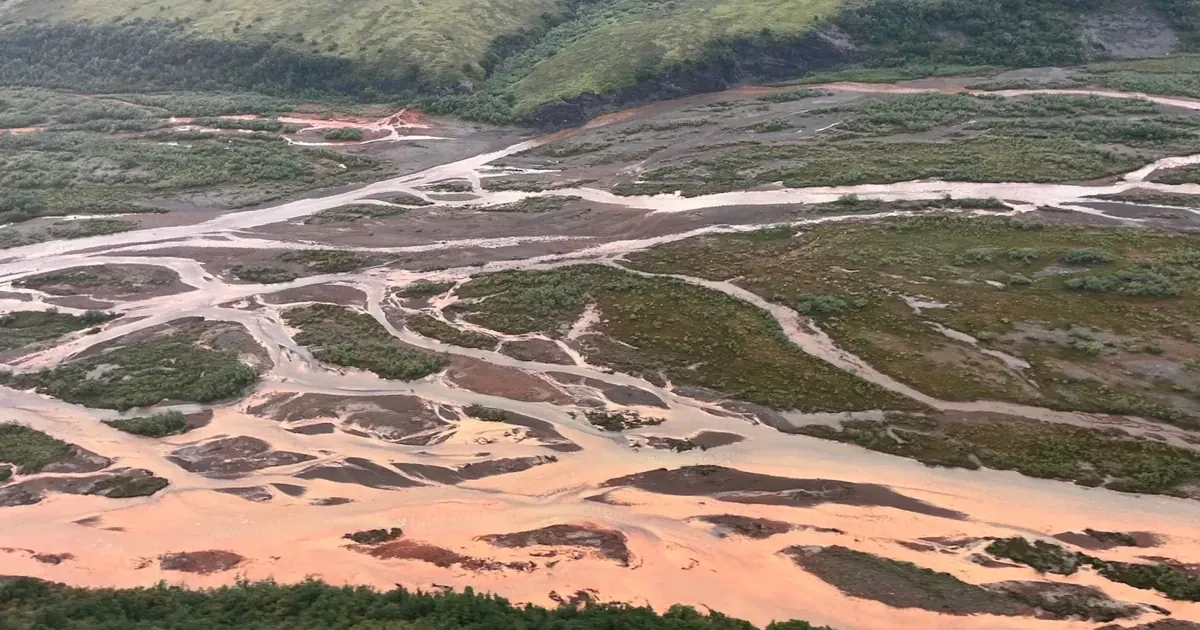
Orange rivers of Alaska / Photo: Tim Lyons / University of California, Riverside
Arctic rivers in Alaska are facing a serious environmental challenge: previously crystal-clear waterways in the remote Brooks Range are turning a murky orange color due to the massive release of iron particles. Fish are suffocating, and insects are being destroyed, endangering the entire food chain of the region.
Popular Science writes about how the thawing of millennia-old frozen ground initiates the destructive process of “rusting” in wild waters.
Why Alaska’s Rivers Are Rusting
Researchers have found that climate change is causing Alaska to warm twice to three times faster than the global average, leading to the melting of permafrost and initiating two distinct chemical processes at different elevations:
-
Acid mine drainage in highlands: In mountainous areas, the problem begins in rocky soil containing pyrite, known as “fool’s gold.” Due to permafrost thaw, minerals come into contact with oxygen and water for the first time in thousands of years, causing pyrite to break down into iron and sulfur, forming sulfuric acid and toxic metals. When this iron-rich water mixes with oxygen at the surface, the iron transforms into rust-like particles that color the rivers.
-
Microbial respiration in lowlands: In lower ecosystems, the landscape is covered with wetlands where oxygen is critically lacking in waterlogged soils. Instead, local microbes (primarily bacteria) begin to consume iron from the soil. They convert it into a water-soluble form that seeps into streams and instantly rusts upon contact with oxygen-rich surface water.
Ecosystem Impacts and Disaster Prediction
Fine iron particles can remain suspended in water for over 60 miles, creating immense threats to nature and humans:
-
Rust completely covers algae and disrupts insect populations, depriving river inhabitants of their food source.
-
Toxic metals clog the gills of fish, which is already negatively affecting salmon in Alaska and Canada that rely heavily on gravel beds for spawning.
-
Permafrost thaw turns soil into mud, damaging homes, roads, and pipelines, and also threatening the popular tourist fjord Tracy Arm.
Scientists have also discovered a lag effect: iron released during summer thaw only washes into rivers the following year, allowing for predictions of future water quality based on soil temperatures. Co-author of the study, Tim Lyons, emphasizes that this process cannot be stopped once it begins, but forecasting can help warn downstream communities in time and protect the most vulnerable ecosystems.
Recall, the Doomsday Glacier—the largest in Antarctica and one of the planet’s most dangerous climate objects—is on the verge of losing its ice shelf. It is predicted that the shelf will almost certainly break off in 2026, at which point nothing will hold back the ice from sliding into the ocean, capable of raising water levels by 65 centimeters.
Comments Sort: New Old Popular Send